Headquarters
The Energy and Resources Institute (TERI)
Darbari Seth Block, Core 6C,
India Habitat Centre, Lodhi Road,
New Delhi - 110 003, India
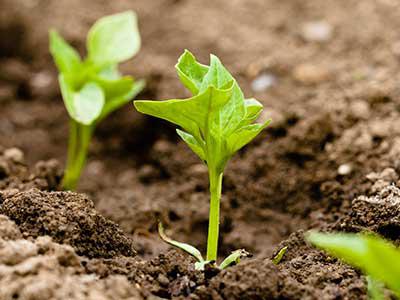
Farmers in Jhapusabari Pt. III village in Dhubri district of Assam faced dual problems of flooding and water scarcity. Their fields were rainfed but with no infrastructure to regulate the flow of rainwater, their crops would first be flooded with water, and then suffer from water scarcity as the rainwater would drain out quickly. Both these situations were damaging to the crops, hence reducing productivity and consequently incomes.
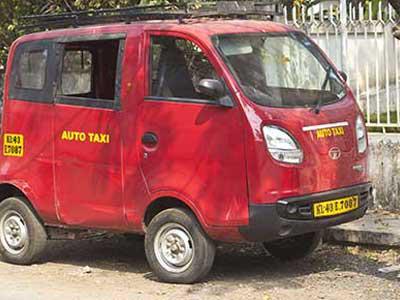
With a population of about 315,310 persons in 2011 (Census, Government of India), the city of Alwar is one of the fastest growing urban areas in Rajasthan state as well as the National Capital Region (NCR) in India.
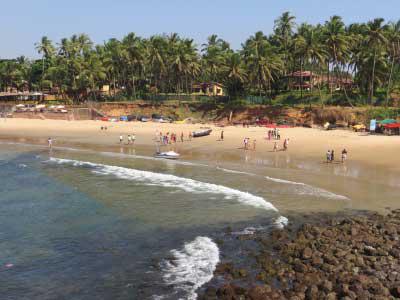
Identifying a Database Management System (DBMS) to support the Goa government to address the impacts of sea-level rise in its planning strategies
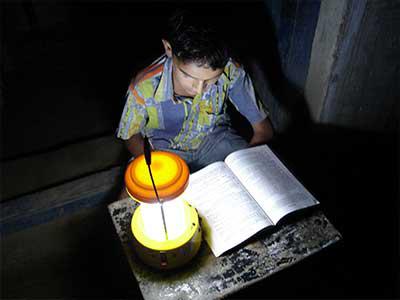
When the quake jolted, sun paved the way for survival - The solar lanterns provided by TERI to the earthquake survivors in Nepal aided as much-needed light source in testing times Hundreds of earthquake-affected families in Ratanchaura and Baseshwor Village Development Committees (VDCs) of Sindhuli district are no longer sitting in darkness after receiving solar-powered lamps donated by The Energy and Resources Institute (TERI).
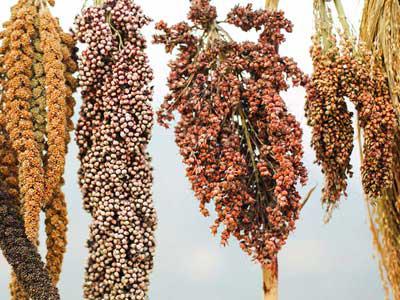
A TERI initiative, funded by the Louis Dreyfus Foundation, in chosen villages of Uttarakhand has been working to revitalise the region's traditional crops and practices to improve local food security in a sustainable manner.

A TERI intervention for wiser material usage in auto component manufacturing
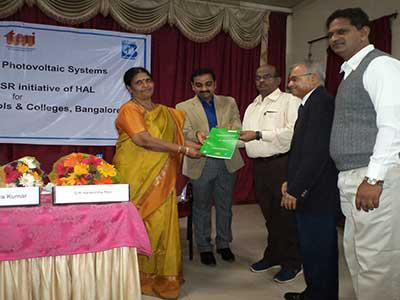
Setting up solar rooftops in educational institutions of the city