
Headquarters
The Energy and Resources Institute (TERI)
Darbari Seth Block, Core 6C,
India Habitat Centre, Lodhi Road,
New Delhi - 110 003, India
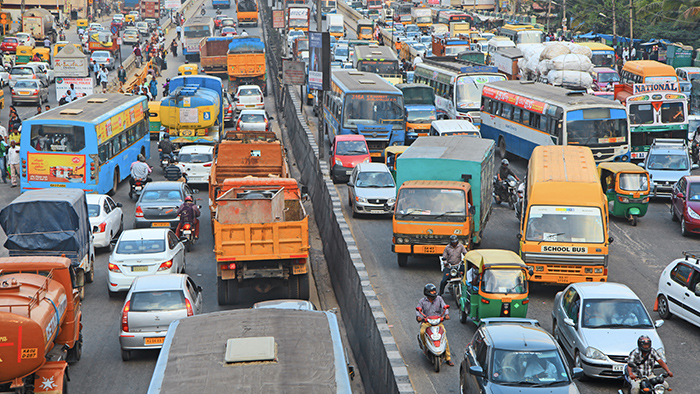
The development of a detailed CAZ (clean air zone) plan would focus on measures related to traffic and transportation (such as pedestrianization, cycle tracks, and EV mobility), urban planning (land use plans, heritage conservation), emission control, air quality monitoring and dust control. Through this plan, the program seeks to prioritize solutions based on emission reduction to enhance air quality in the study area. This approach aligns with sectoral sustainability goals by addressing environmental, social, and economic aspects of urban air quality improvement.
The project aims to facilitate piloting of CAZs as a policy solution to improve air quality. The objective of the program is to improve air quality in the cities of Visakhapatnam and Vijayawada, with a specific focus on transport sector interventions. This would be achieved by facilitating the piloting of CAZs in these cities through the development of an implementation plan in consultation with appropriate authorities.
One of the outcomes of the study is to facilitate the piloting of CAZs. The identification of CAZs involve analysing and marking specific areas to reduce pollution levels. This includes identifying traffic pollution hotspots through air quality evaluation, wind patterns, and land use analysis. Hotspots are ranked based on-air quality and socio-economic parameters to determine CAZ boundaries in collaboration with local authorities and experts. Subsequently, estimating emissions under different control scenarios aims to find effective strategies for creating CAZs. The major outcomes of the project include