Headquarters
The Energy and Resources Institute (TERI)
Darbari Seth Block, Core 6C,
India Habitat Centre, Lodhi Road,
New Delhi - 110 003, India
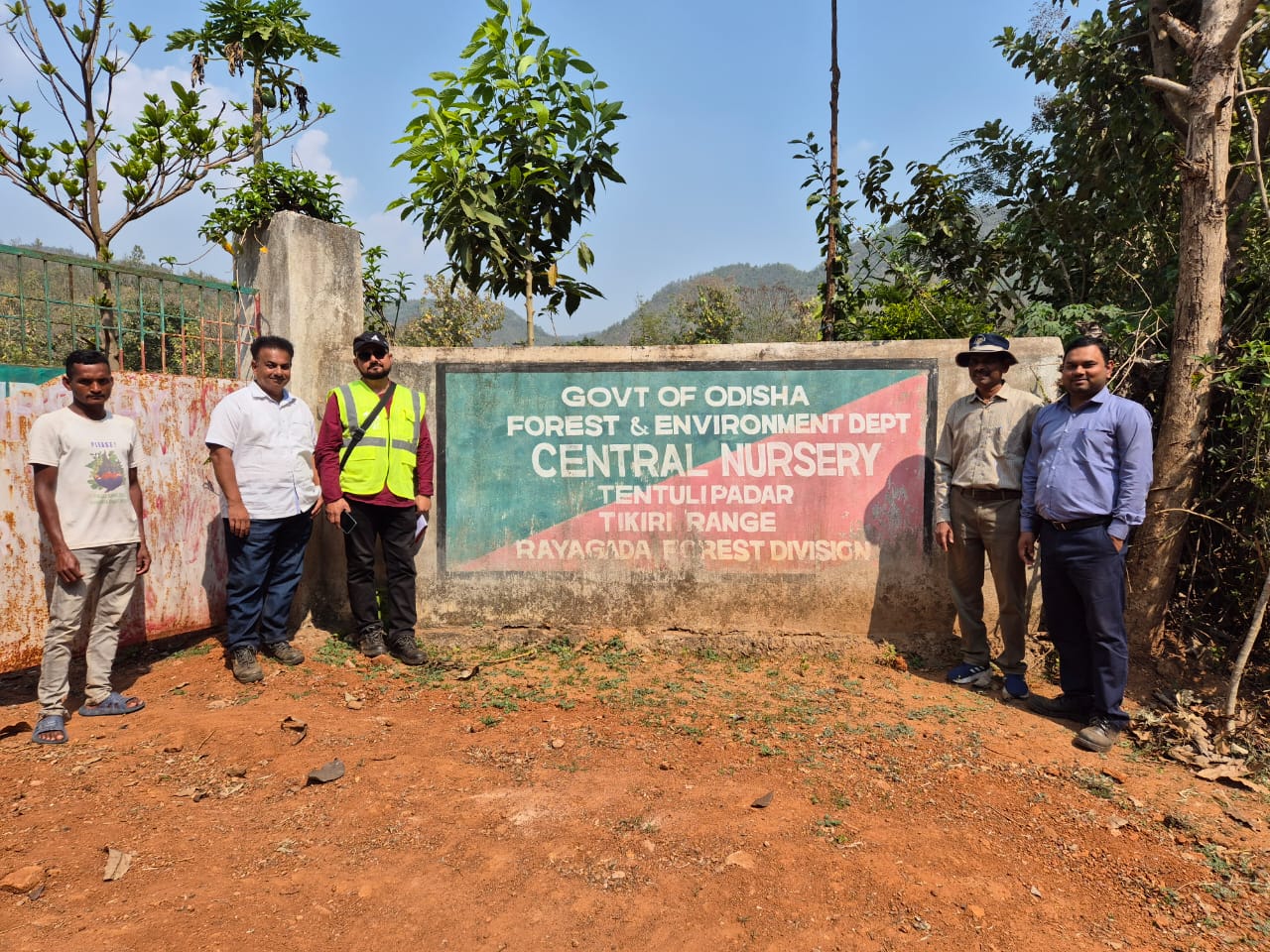
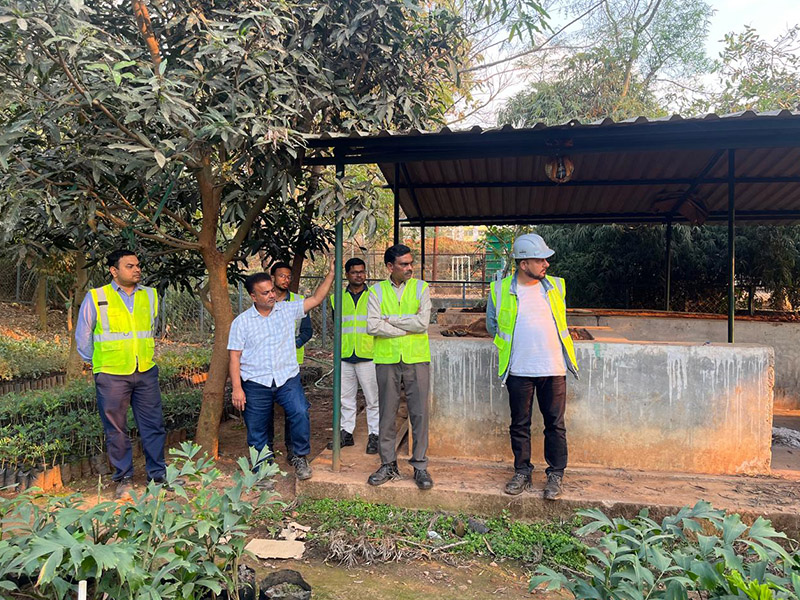
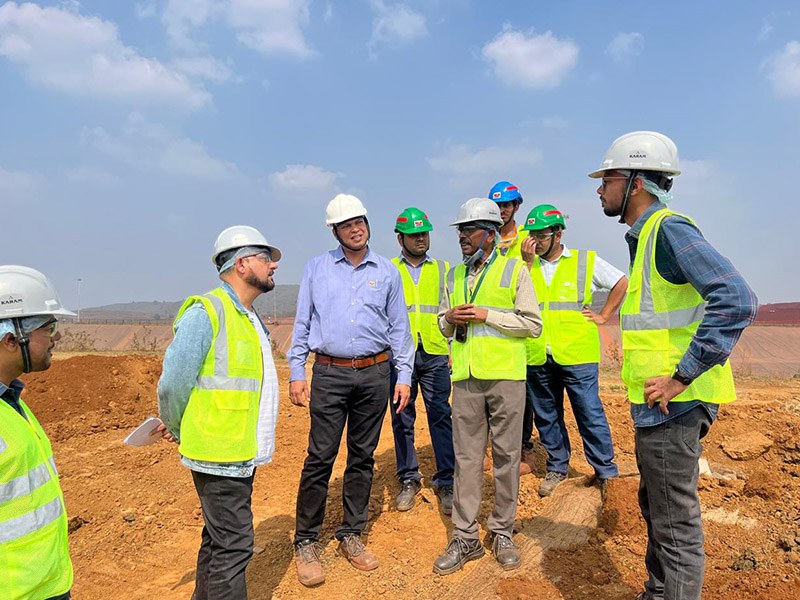
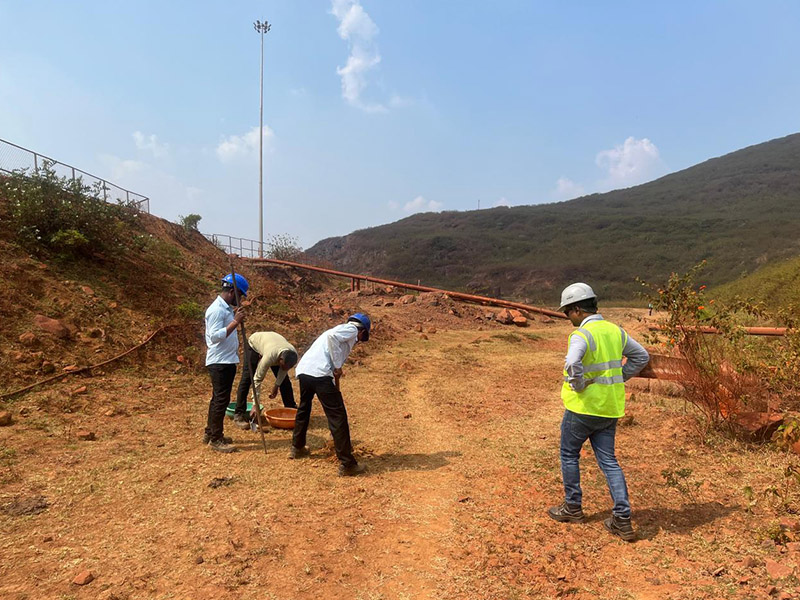
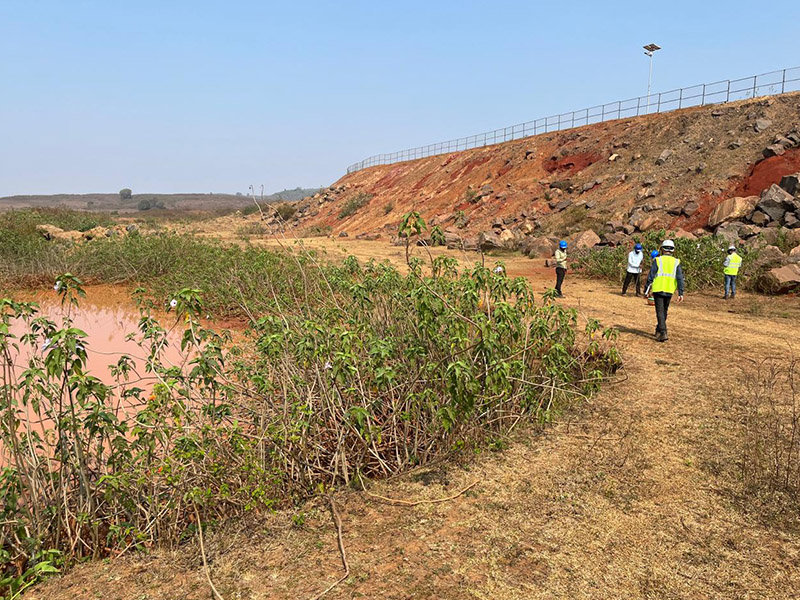
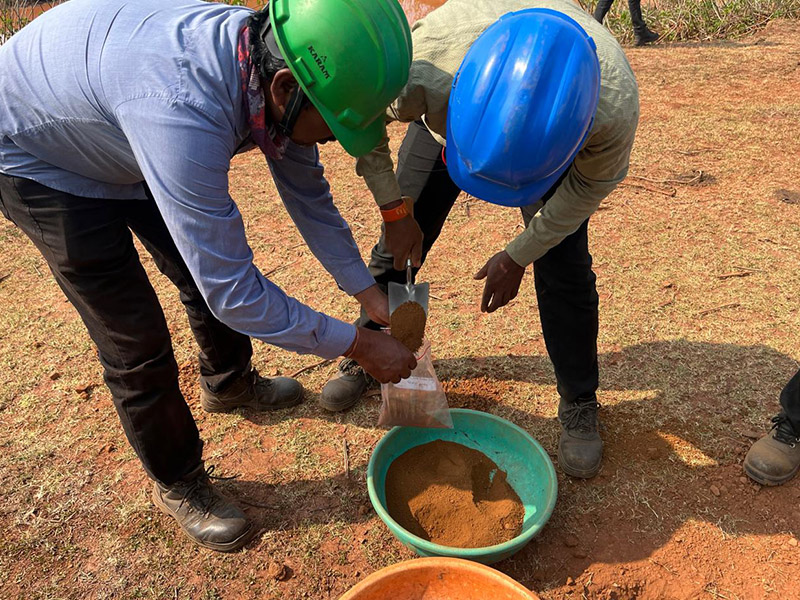
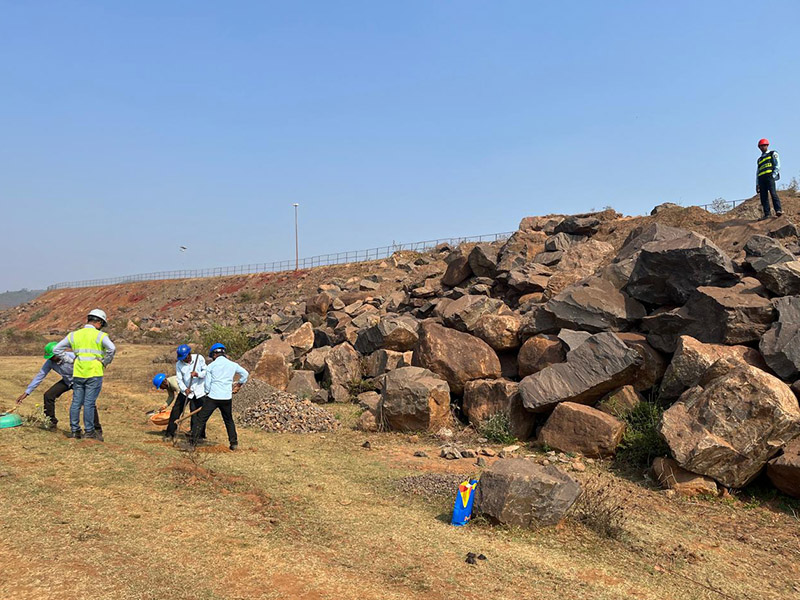
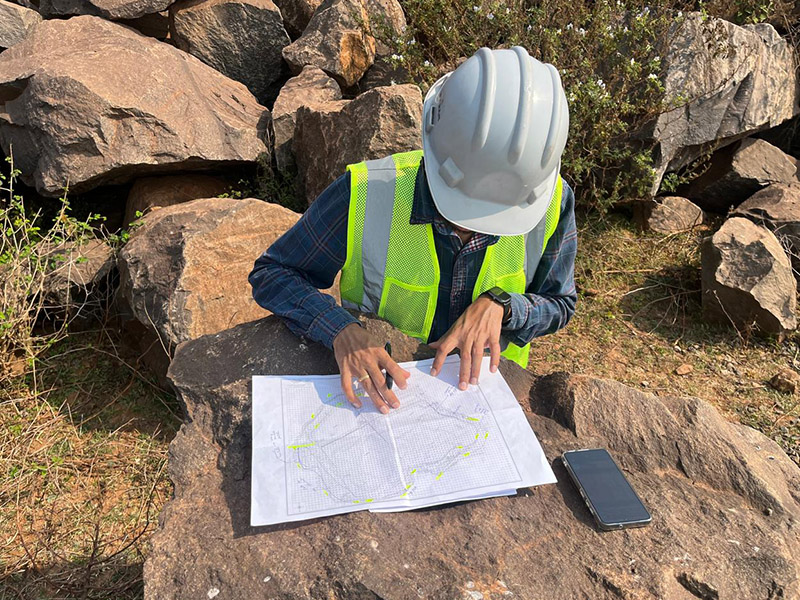
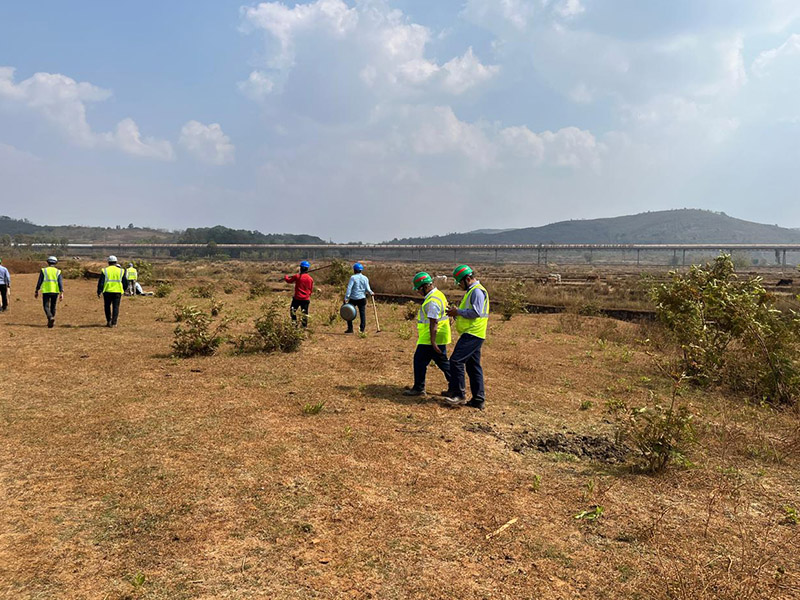
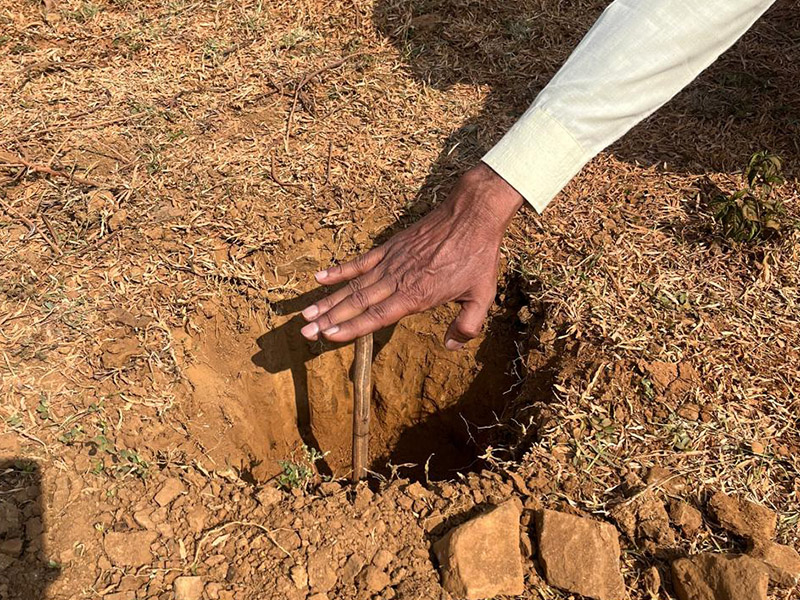
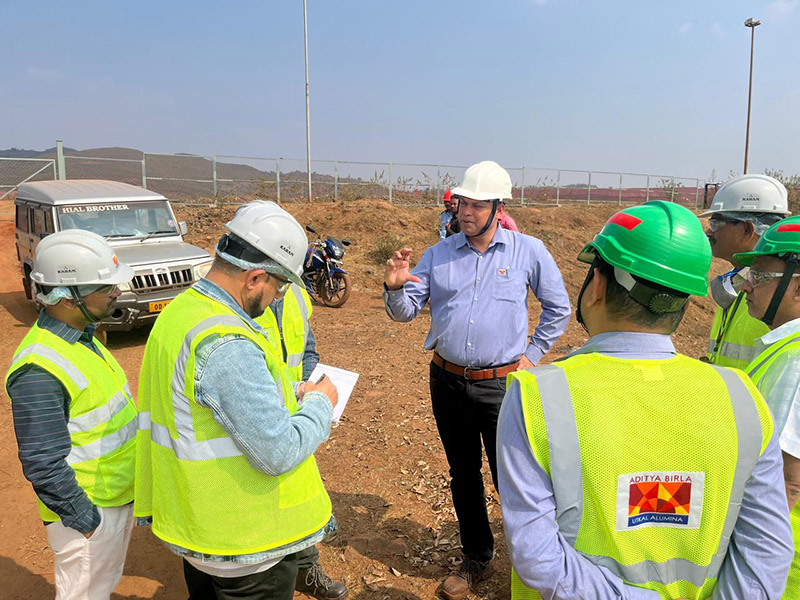
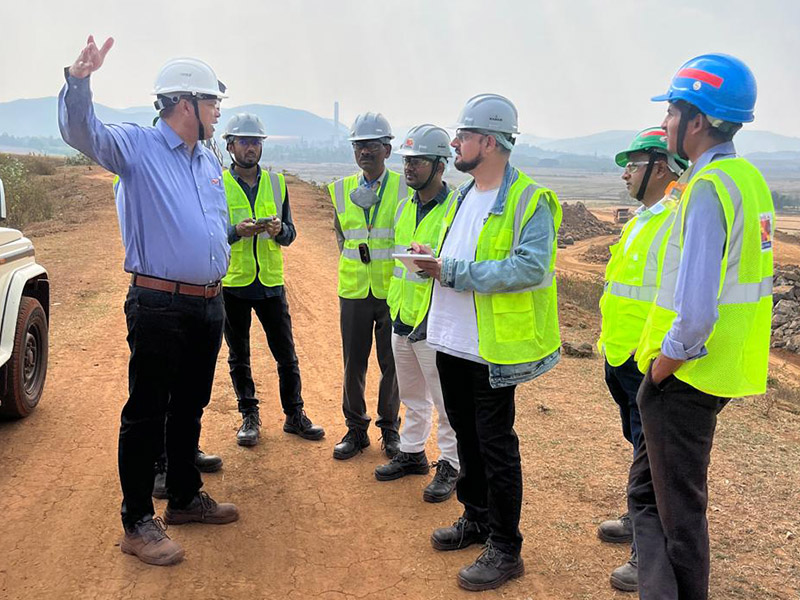
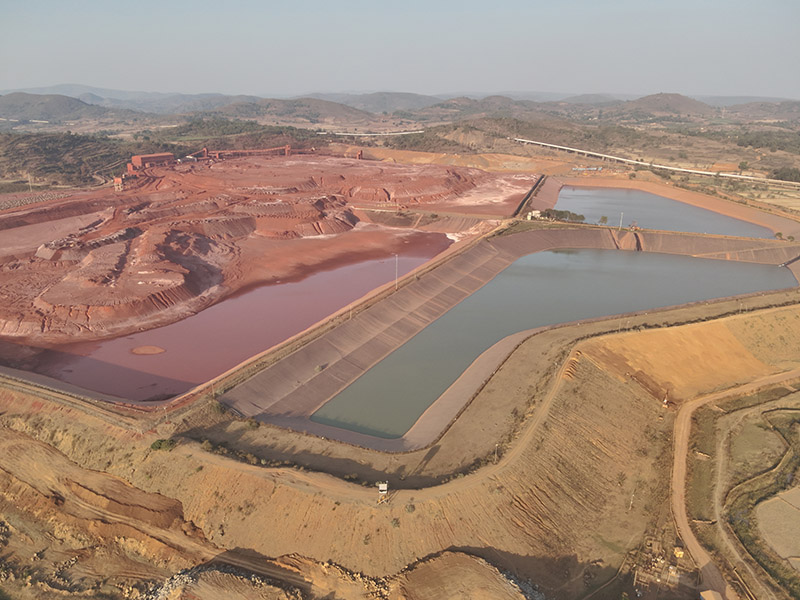
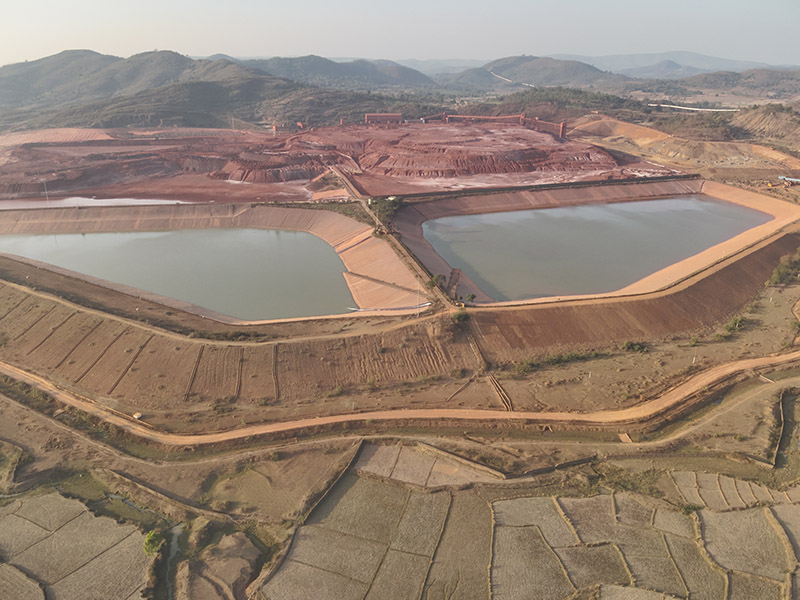
TERI recently conducted a comprehensive study to assess and develop a restoration plan for approximately 22 hectares of degraded land surrounding the Red Mud Pond (RMP) in Rayagada, Odisha. The project site is adjacent to an alumina refinery operated by Utkal Alumina International Limited (UAIL), a subsidiary of Hindalco Industries. The objective of this initiative is to transform land challenged by the environmental by-products of alumina refining into a resilient greenbelt, meeting the mandated 33–40 per cent green cover requirement through sustainable ecological restoration.
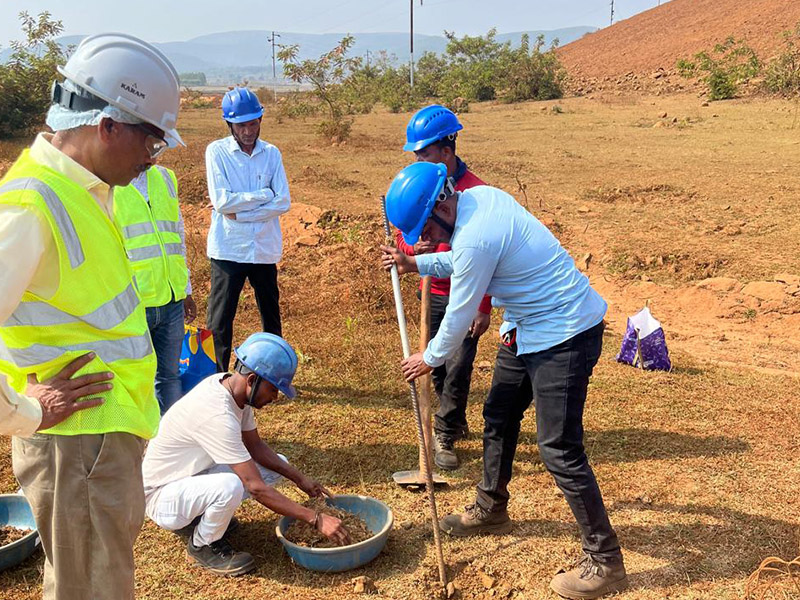
Technical Strategy and Ecological Design Grounded in rigorous field assessments and detailed soil analysis, the proposed restoration strategy utilizes a multi-layered approach to land rejuvenation. Key interventions include:
Beyond the technical design, TERI undertook a comprehensive financial assessment to ensure the project’s long-term sustainability. This evaluation covers the entire lifecycle of the greenbelt—from initial civil works and soil inputs to irrigation infrastructure and the costs of monitoring and upkeep over a multi-year period.
By aligning regulatory compliance with environmental stewardship, the proposed plan serves as a scalable model for industrial ecosystem restoration. Once implemented, the greenbelt will enhance local biodiversity, improve soil health, and mitigate dust pollution, demonstrating that industrial operations and environmental resilience can coexist effectively.