Headquarters
The Energy and Resources Institute (TERI)
Darbari Seth Block, Core 6C,
India Habitat Centre, Lodhi Road,
New Delhi - 110 003, India
India reportedly generates close to 62 million tonnes of solid waste annually and is expected to increase by more than double to 162 million tonnes by 2031. Central Pollution Control Board (CPCB) estimates the Municipal Solid Waste (MSW) collection efficiency at 80.28% and further states that only 28.4% out of this is treated. Remaining is disposed of in landfills or open dumps. Considering the priority of effective waste management, Ministry of Environment, Forest and Climate Change (MoEF&CC), Government of India decided to develop Nationally Appropriate Mitigation Actions (NAMAs) in the waste and forest sector.
NAMA is a mechanism under the UN Framework Convention on Climate Change (UNFCCC), under which developing countries could seek technical and financial support for GHG mitigation. The Federal Ministry for the Environment, Nature Conservation, and Nuclear Safety (BMU), Germany is supporting the project on “Development and Management of NAMA in India” with lead executing agency Ministry of Environment, Forest and Climate Change (MoEFCC), Government of India.
Phase 1 of the Waste NAMA evaluated the technological options relevant to waste management scenario in India to assess those technologies that could achieve effective emission reduction in the sector. Deutsche Gesellschaft für International Zusammenarbeit (GIZ) India is implementing the project and the project is now in Phase 2 with TERI as the partner.
Phase 2 of the waste NAMA focuses on the implementation of low carbon measures to reduce emissions from the solid waste sector in Panaji and Varanasi. The project will look at the implementation of relevant waste management practices such as effective source segregation and establishment or strengthening of existing Material Recovery Facility (MRF) which could house processes like micro-composting and bio-methanation among other waste processing measures. The objective is thus to reduce the amount of waste landfilled under precarious conditions that would reduce the levels of GHG emission from the sector.
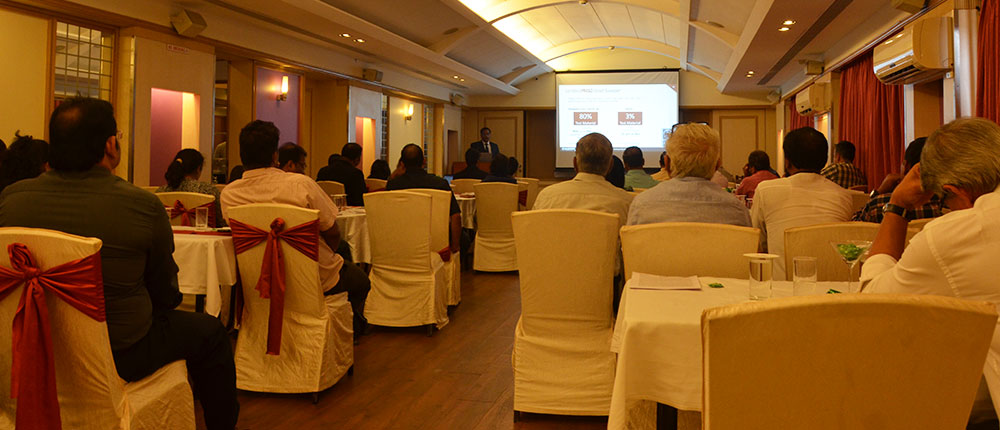
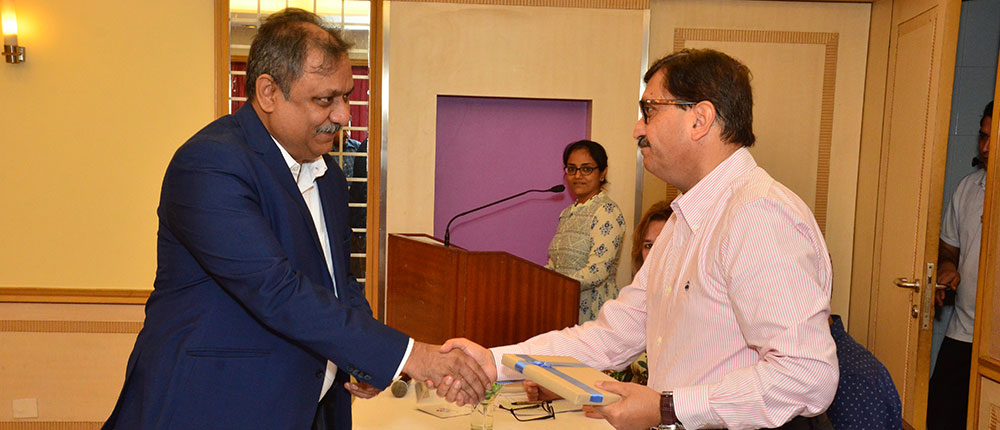
As part of this project, a kick-off meeting was held on 25th January 2019 in Panaji to launch the project and engage with all relevant stakeholders on the priorities relating to solid waste management in Panjim. This meeting sought to introduce and discuss the project, update stakeholders on the activities, present preliminary findings and engage stakeholders for better MSW management in Panaji. The workshop served as a platform to: