Headquarters
The Energy and Resources Institute (TERI)
Darbari Seth Block, Core 6C,
India Habitat Centre, Lodhi Road,
New Delhi - 110 003, India
In order to enhance the transparency and comparability of climate actions, and ultimately facilitate the ‘networking’ of carbon markets, the key objectives of this assignment are:
Describe the details of the PAT and REC schemes and to unbundle the climate change mitigation benefits from other energy and domestic policy benefits and services provided by the programs.
This paper seeks to assist policy-makers and researchers in India who are working to promote the uptake of offgrid, solar-powered pumps for groundwater irrigation (“off-grid solar pumps”). Implementing such policies can be challenging because of the complicated interconnections between water, energy and food—often referred to as the “water–energy–food nexus” or WEF nexus. This briefing sets out key WEF linkages of importance for off-grid solar pumps.
The project has conducted potential assessment of Floating Solar PV (FSPV) in India, as part of ETC programme. A report has been prepared under the project.
The report has found that India's reservoirs have 18,000 sq km of area that have the potential to generate 280 GW of electricity through floating solar photovoltaic (PV) plants
Report Authors: Mohit Acharya, Sarvesh Devraj, Dr. Ashvini Kumar
This training programme was organised as part of CPCB training program for the official of Central and State Pollution Board. The training program was designed with the objective to develop the understanding on the application of molecular biology and biotechnology to solve environmental problems. Additionally, the training program also supported the participants to develop professional networks which would help them to develop future plans to address environmental pollution problems with sustainable application of biotechnology.
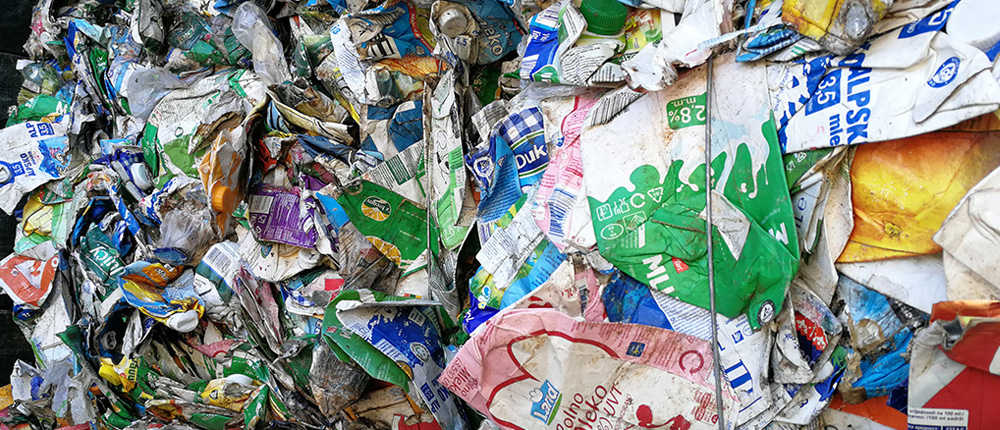
In India, Tetra Pak was among the first carton packaging companies started in the year 1987. The main focus of Tetra Pak is to provide safe food which is accessible and sustainable in nature to benefit lives of many.
This project will examine the gender dimension of emerging electricity systems in East Africa and South Asia and their social effects. Through empirical investigation we will compare centralised (grid) and decentralised systems and also study how such systems work in parallel and/or complement each other. The overall objective is to account for the factors that enhance and restrict women's opportunities and empowerment through electrification.
HI-AWARE, one of the four consortia of the Collaborative Adaptation Research Initiative in Africa and Asia (CARIAA), is conducting high calibre research and pilot activities, capacity building and policy engagement on climate resilience and adaptation in the mountains and flood plains of the Indus, Ganges, and Brahmaputra river basins.