
Headquarters
The Energy and Resources Institute (TERI)
Darbari Seth Block, Core 6C,
India Habitat Centre, Lodhi Road,
New Delhi - 110 003, India
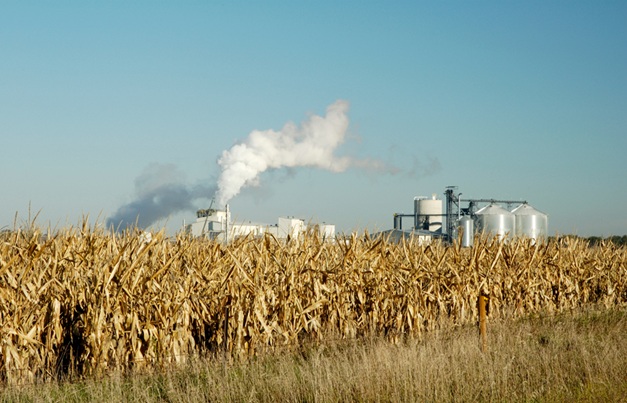
The Advanced Biofuels Division at The Energy and Resources Institute (TERI), specifically within the Microbial Biofuels & Biochemicals (MBB) area, has partnered with the Green Chemistry Centre of Excellence at the University of York (UK). This collaboration aims to advance second-generation (2G) feedstocks and engineer sustainable technologies to convert lignocellulosic biomass into 2G ethanol—a critical precursor for Sustainable Aviation Fuel (SAF). This partnership directly supports India’s transition toward clean fuels and a robust circular bioeconomy.
The project integrated two distinct pretreatment philosophies to identify the most efficient pathway for biomass conversion:
The study involved a comprehensive evaluation of process technology, including pretreatment, enzymatic hydrolysis, and fermentation, focusing on cost-effectiveness and scalability:
Yield Efficiency: Comparative studies indicated higher sugar release and ethanol yields from chemically treated Indian wheat straw. Sustainability: Microwave-treated biomass emerged as a superior green alternative, significantly reducing the chemical footprint of the process.
The study underscores the importance of balancing environmental sustainability with process efficiency. It demonstrates that integrating green technologies with conventional pretreatment methods can provide a flexible and optimized pathway for SAF feedstock processing.
The resulting ethanol samples and datasets have provided critical inputs for SAF pathway modeling and Life Cycle Assessment (LCA), strengthening the data-driven framework of this Indo-UK collaboration.