





Headquarters
The Energy and Resources Institute (TERI)
Darbari Seth Block, Core 6C,
India Habitat Centre, Lodhi Road,
New Delhi - 110 003, India
In a world suffering from excessive use of chemicals, microbes are increasingly important for solving the most critical environmental problems biologically. In our three decades of research in microbial biotechnology, we have created a number of cutting edge technologies that treat industrial waste, restore oil contaminated land and enhance agricultural productivity. From our labs, these solutions have spread out to many parts of the country and the world and helped to restore a degraded environment.
Out of over 3 trillion trees globally, more than 40% occur in (sub)tropical settings that contribute to two-thirds of all natural CH4 emissions.
Guar gum powder is extracted from the guar seeds after a multistage industrial process. The production technique depends upon the desired product.
Combining biochar with soil microbial communities can enhance soil health, nutrient cycling, and agricultural productivity. Being a stable carbonaceous material, biochar offers multiple benefits by improving soil’s physical, chemical, and biological properties.
India’s bioeconomy touched a remarkable valuation of US$165.7 billion in 2024, reflecting its rising significance in national development.
Oil spills are a worldwide phenomenon that pose a major threat to ecosystems and their flora and fauna. Despite the greatest efforts of the petroleum industry and consumers, oil spills throughout the country are increasing. Aside from oil spills, oil refineries produce a significant amount of toxic hydrocarbon waste that must be managed in an environmentally responsible manner. Physical (storing oil sludge and drill cutting in secured pits) and chemical techniques of removing these hydrocarbons are both costly and harmful to the environment.
Coalbed methane (CBM) represents a significant portion of the world’s natural gas reserves, and it has been suggested that up to 20% of the world’s natural gas, including CBM, is microbial in origin. However, the drilling and maintenance of microbial CBM wells are becoming increasingly uneconomical due to the currently low gas prices, growing competition from shale gas production, and the relatively short lifespan of CBM production wells.
Caption: India-Netherlands Innovation Mission workshop on “Biorefineries, Bioenergy and Biochemicals”, held at TERI-GRAM on 15th October 2024.
The webinar will chiefly focus on defining the scope and use of OECD and other international test guidelines for toxicity assessment of nanomaterials
The e-workshop will train participants on the quality evaluation of Arbuscular Mycorrhizal Fungi-based products
The TERI-Deakin Nanobiotechnology Centre, TERI Gram, Gurugram, in collaboration with International Fertilizer Development Center, USA, is organising a joint symposium on the theme "Next Generation Biologically Synthesized Nanofertilizers for Seed Coating and Foliar Application".
The objectives of the event are -
TERI is empanelled by the Indian Technical and Economic Cooperation (ITEC), Government of India, for this programme. Under the TERI-ITEC programme, eight courses are being offered for the year 2017-18.
The problem is not that net zero 2050 is the wrong goal. It is that the IPCC's emissions pathways did not distinctly model the military sector, writes Mr Ankit Rao, Research Associate, Consultant and Dr Meeta Lavania, Associate Director, Environmental & Industrial Biotechnology Division, TERI.
Dr Sanjukta Subudhi is a molecular microbiologist working as an Associate Director and Senior Fellow, and leading the Microbial Biofuels and Biochemical group at The Energy and Resources Institute (TERI), New Delhi.
Essar Oil and Gas Exploration and Production Ltd (EOGEPL) announced its investment in Microbial eCBM technology to boost Coal be Methane (CBM) production, in a bid to improve operations. The unconventional hydrocarbon player said in a statement it has collobarated with The Energy & Resources Institute (TERI) and ONGC Energy Centre (OEC) to establish the potential of eCBM Microbial technology in the Raniganj-East Block of the company.
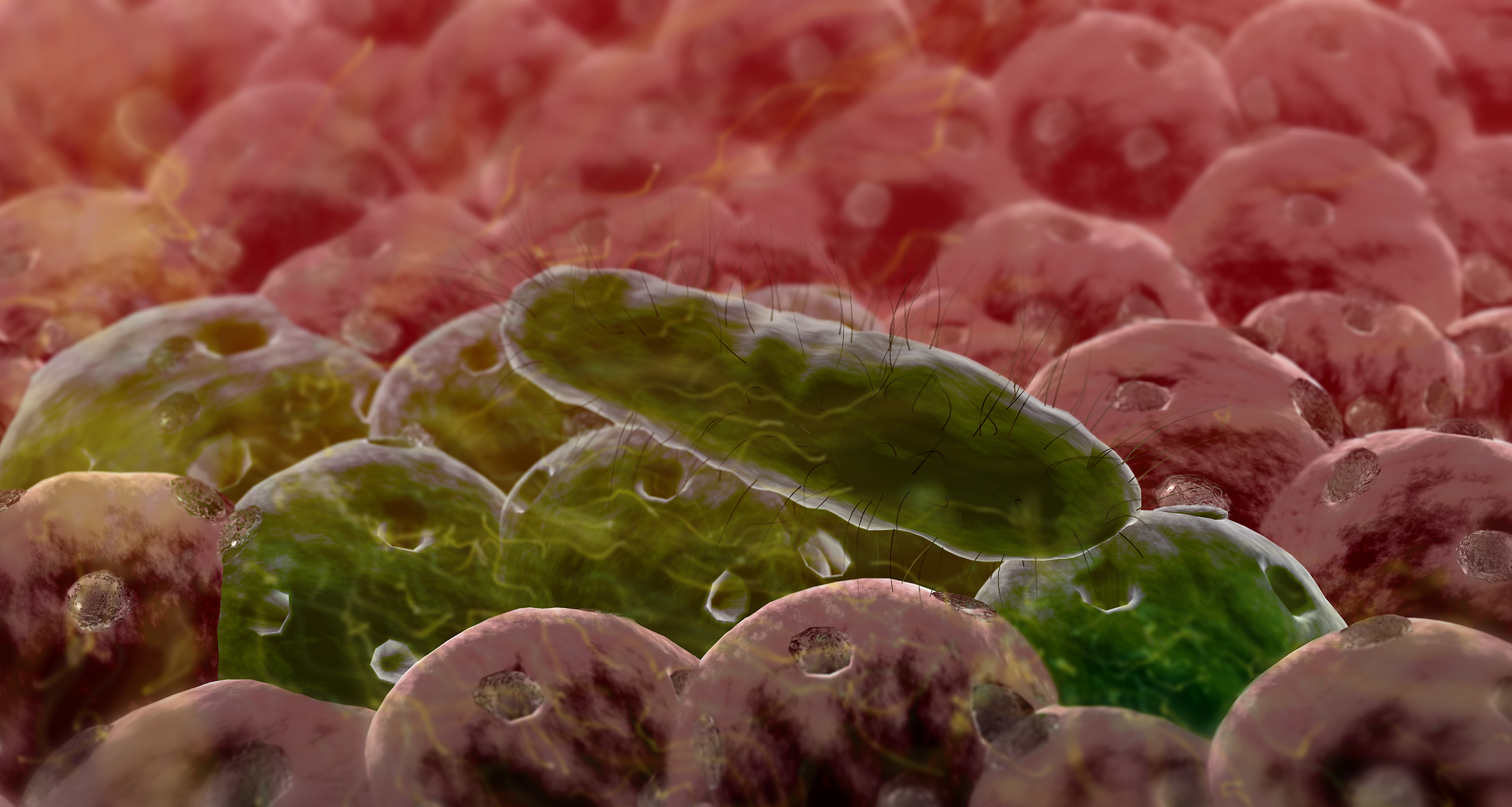
Antimicrobial resistance (AMR) has emerged as a global public health problem as antibiotics are becoming inefficient against a wide range of disease-causing pathogenic bacteria.
Antimicrobial resistance (AMR) has emerged as a global public health concern as antibiotics are becoming inefficient against a wide range of pathogenic bacteria. Rampant usage of antibiotics for human and veterinary purposes has resulted in the development of antibiotic-resistant bacteria (ARB) in the guts of humans and animals, which are subsequently released in to the environment.
The latest oil spill in the Chennai coast where two ships - BW Maple of UK and Dawn Kanchipuram of India - collided on January 28 resulting in spilling of 100 tonne of oil is the second such incident happening following collision of ships.
The shift to a sustainable and low-carbon future is imperative as global temperatures have risen above a critical point. Therefore, switching to alternative renewable energy sources is essential to address climate security concerns and meet the growing energy demand. Bio-based resources are renewable and have great potential for achieving the decarbonization goal. We call this the biotransition, which refers to the shift from a fossil-based economy to biobased economy that places a strong emphasis on using biological resources.
While biofuels have been discussed as one of the ways to reduce air pollution, changing the process of bio-diesel production is needed to reduce tailpipe emissions of nanoparticles. These are lesser known pollutants even more harmful than PM2.5 and PM10.
We have developed technologies of 'MEOR' (microbial enhanced oil recovery) for mature oil reserves, and PDB (paraffin degrading bacteria) for prevention of paraffin deposition in oil pipelines, which help in increasing the yield of oil wells.