Exploring Algal-based bioethanol pathways under Gujarat Biotech Mission

17 Oct 2022 17 Oct 2025
Exploring Algal

Assessing 3G Bioethanol Potential: Scalable Algal Bioenergy Systems

Under the Gujarat State Biotechnology Mission (GSBTM), TERI’s Microbial Biofuels and Biochemicals (MBB) area, within the Advanced Biofuels Division, conducted applied research to evaluate microalgae as a potent third-generation (3G) biofuel feedstock. Led by Dr Sanjukta Subudhi (PI) in collaboration with Dr Sudha Sahay (Loyola Centre for Research & Development), the project focused on developing scalable algal systems aligned with India’s clean energy mandate.

Sustainable Cultivation and Scale-up

A primary focus of the study was the integration of waste management with energy production. The team utilized wastewater-derived organic fractions for the mixotrophic cultivation of freshwater microalgae, demonstrating a viable model for large-scale deployment:

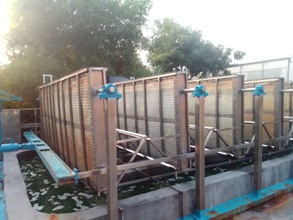
  • Infrastructure: TERI cultivated indigenous Chlorella sp. in 1,000 L and 10,000 L open raceway pond systems at the TERI Gram facility.
  • Nutrient Valorization: Treated wastewater was rigorously evaluated for nutrient composition, COD/BOD levels, and trace elements, confirming its efficacy as a sustainable growth medium that reduces the need for fresh water and commercial fertilizers.

Biomass Characterization and Conversion

To ensure high-efficiency energy recovery, the project included a detailed analysis of the harvested biomass:

  • Core Analysis: Biomass was characterized for moisture, volatile matter, ash content, and calorific value, alongside elemental composition (C, H, N, S).
  • Ethanol Production: The harvested Chlorella sp. was processed through enzymatic hydrolysis and fermentation using TERI’s proprietary in-house isolate, Candida neerlandica.
  • Comparative Strain Assessment: In parallel, TERI evaluated Micractinium reisseri biomass provided by the project collaborator. This included studying biomass loading for ethanol production and analyzing total lipid content using a modified methanol-MTBE-hexane extraction method.

Strategic Outcomes

The study successfully demonstrated the feasibility of integrating wastewater-based algal cultivation with bioethanol production. Key deliverables included:

  • Large-scale Validation: Successful cultivation of Chlorella sp. at the 10,000 L scale under mixotrophic conditions, supported by comprehensive bioenergy characterization.
  • Strain Comparison: Validated the bioethanol potential of both Chlorella sp. and Micractinium reisseri, providing a standardized framework for strain selection and lipid profiling.

These findings provide a robust foundation for optimizing biomass conversion efficiency and advancing sustainable, large-scale algal biorefinery systems in India.

Tags
Algae
Biofuels
Microalgae
Partners
Loyola Centre for Research & Development
Xavier Research Foundation
Themes