Headquarters
The Energy and Resources Institute (TERI)
Darbari Seth Block, Core 6C,
India Habitat Centre, Lodhi Road,
New Delhi - 110 003, India
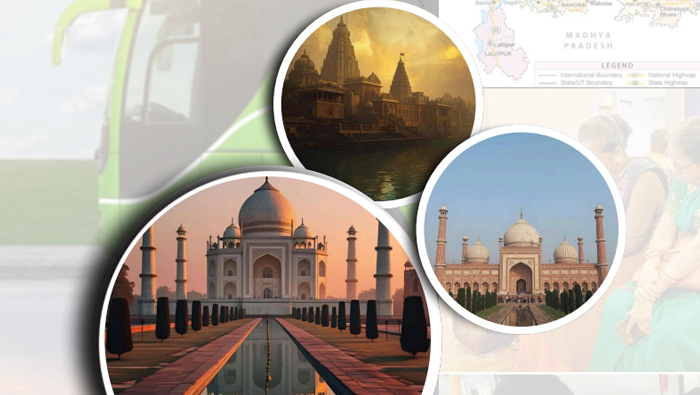
As India continues its transition toward cleaner and more sustainable transportation systems, electric mobility has emerged as a critical pathway for reducing emissions, improving urban air quality, and enhancing the quality, reliability, and accessibility of public transport. The growing emphasis on low-carbon mobility and the electrification of public transport fleets reflects national priorities related to climate mitigation, energy efficiency, and inclusive urban development. In this context, electric mobility solutions—particularly electric bus services—play an important role in supporting sustainable transport networks while improving commuter experience and accessibility across cities.
TERI undertook a representative socio-economic assessment of GreenCell Mobility’s intracity and intercity electric bus operations (backed by Eversource Capital’s strategic investment) to understand their impact on end users. The study evaluates the outcomes of electric mobility-as-a-service (eMaaS) operations across multiple cities, focusing on key parameters such as convenience, safety, accessibility, affordability, time savings, and overall commuter satisfaction. It also examines how these services influence travel behavior, modal choice, and perceptions of sustainable transport among communities served by the network.
To assess the benefits to communities and commuters, TERI conducted a large-scale socio-economic survey covering a total of 3,674 respondents across both intercity operations (3 hubs: Delhi NCR, Bengaluru, and Indore) and intracity operations (6 cities in UP: Agra, Aligarh, Bareilly, Gorakhpur, Lucknow, and Varanasi). The study examined commuter demographics, travel patterns, service preferences, satisfaction levels, and environmental perceptions.