
Headquarters
The Energy and Resources Institute (TERI)
Darbari Seth Block, Core 6C,
India Habitat Centre, Lodhi Road,
New Delhi - 110 003, India
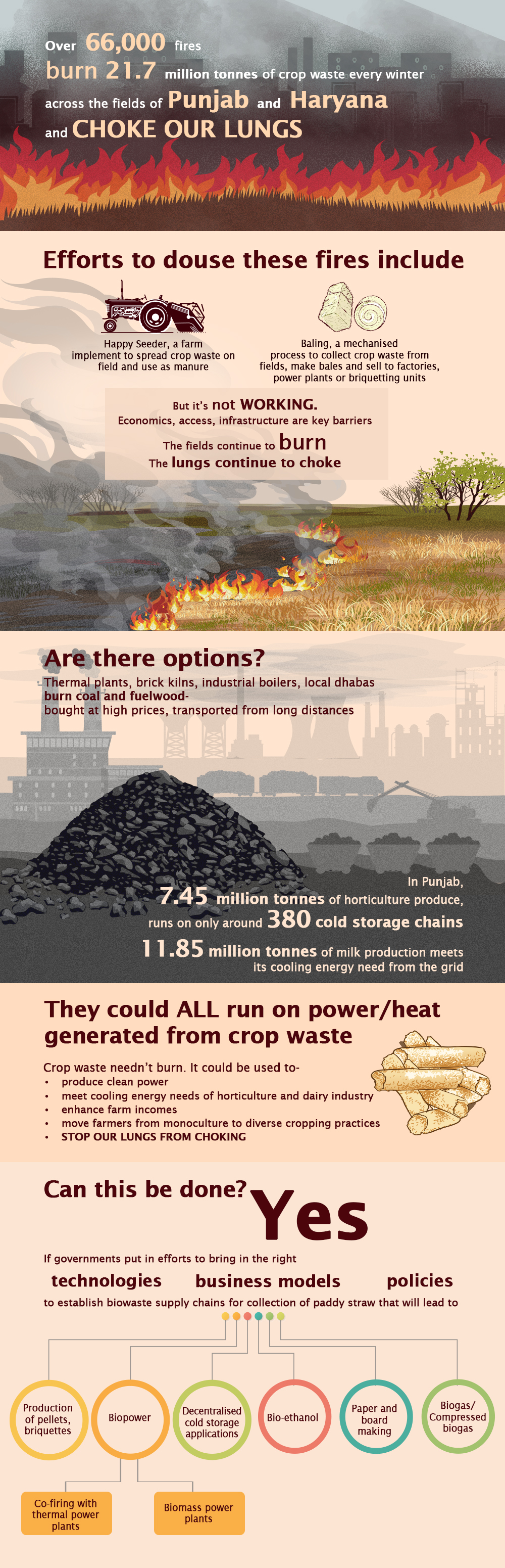
Crop residue burning in Punjab and Haryana is at the centre of the debate around air pollution in Delhi and other parts of North India. However, turning crop residue from waste to a resource can have far-reaching positive impacts on air pollution in Delhi and the environment, farmer income, and rural economy in Punjab, Haryana, and other crop burning areas. For this to become a reality, a robust system will need to be put in place.
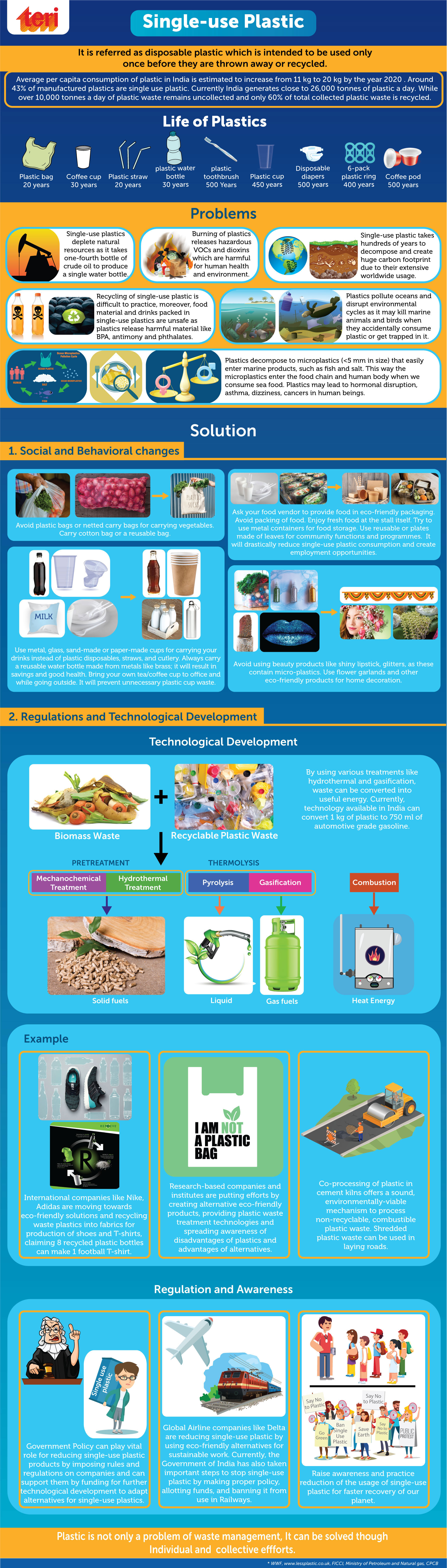
The production and consumption of single-use plastics in India have drastically increased in the last few years. As currently, India generates 26,000 tons plastic per day and out of which 43% of manufactured plastics belong to the category of single-use plastics. Due to favourable factors like lower cost and availability across the country, it is estimated that India’s average per capita consumption of plastic is going to increase from 11 kg to 20 kg by 2020.
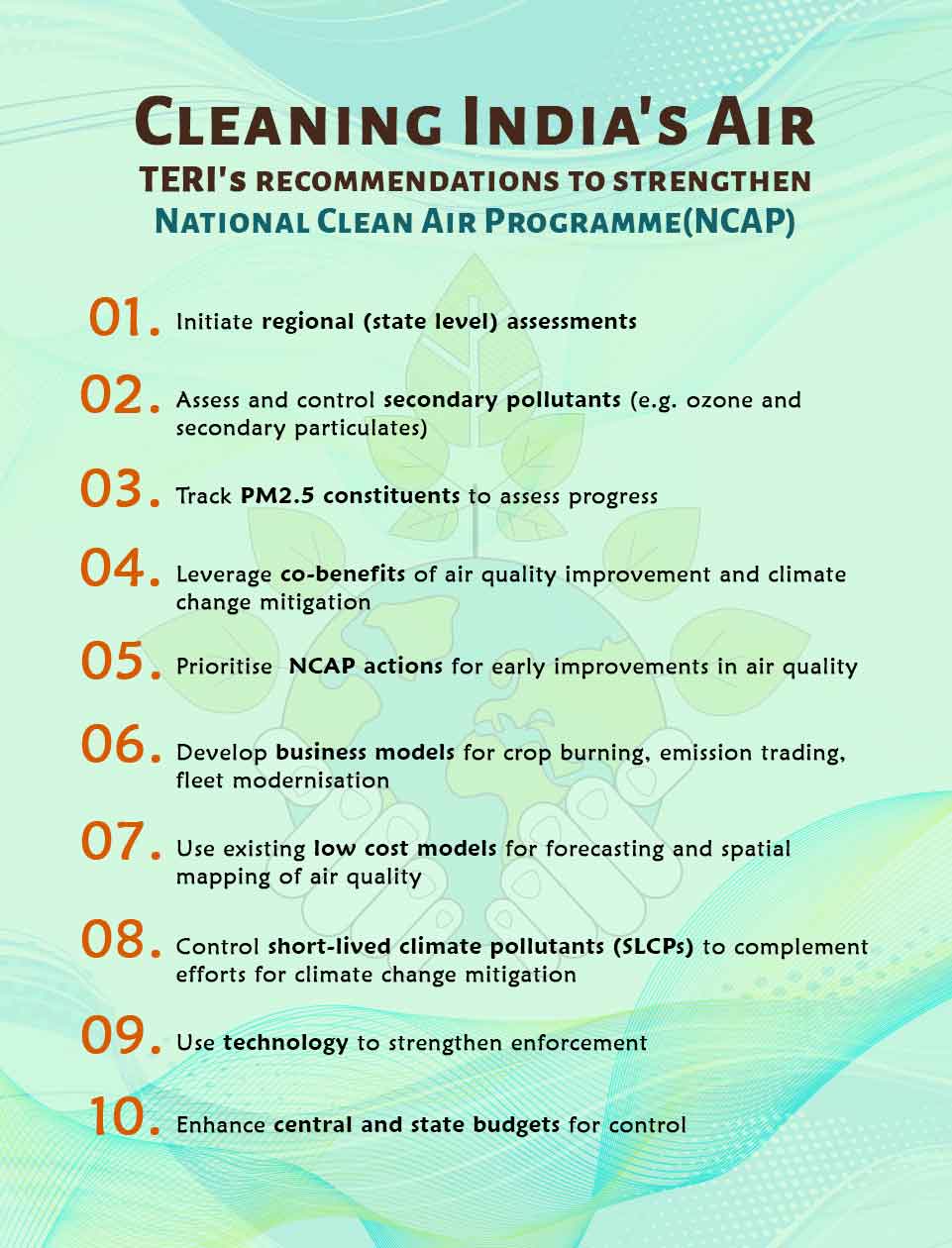
The five-year National Clean Air Programme (NCAP) was launched by the government in January 2019 with the targets to decrease PM2.5 and PM10 by 20-30 percent with 2017 as the base year. TERI's recent analysis of air quality data shows a directionally positive movement, but many measures need to be taken to strengthen the National Clean Air Programme.
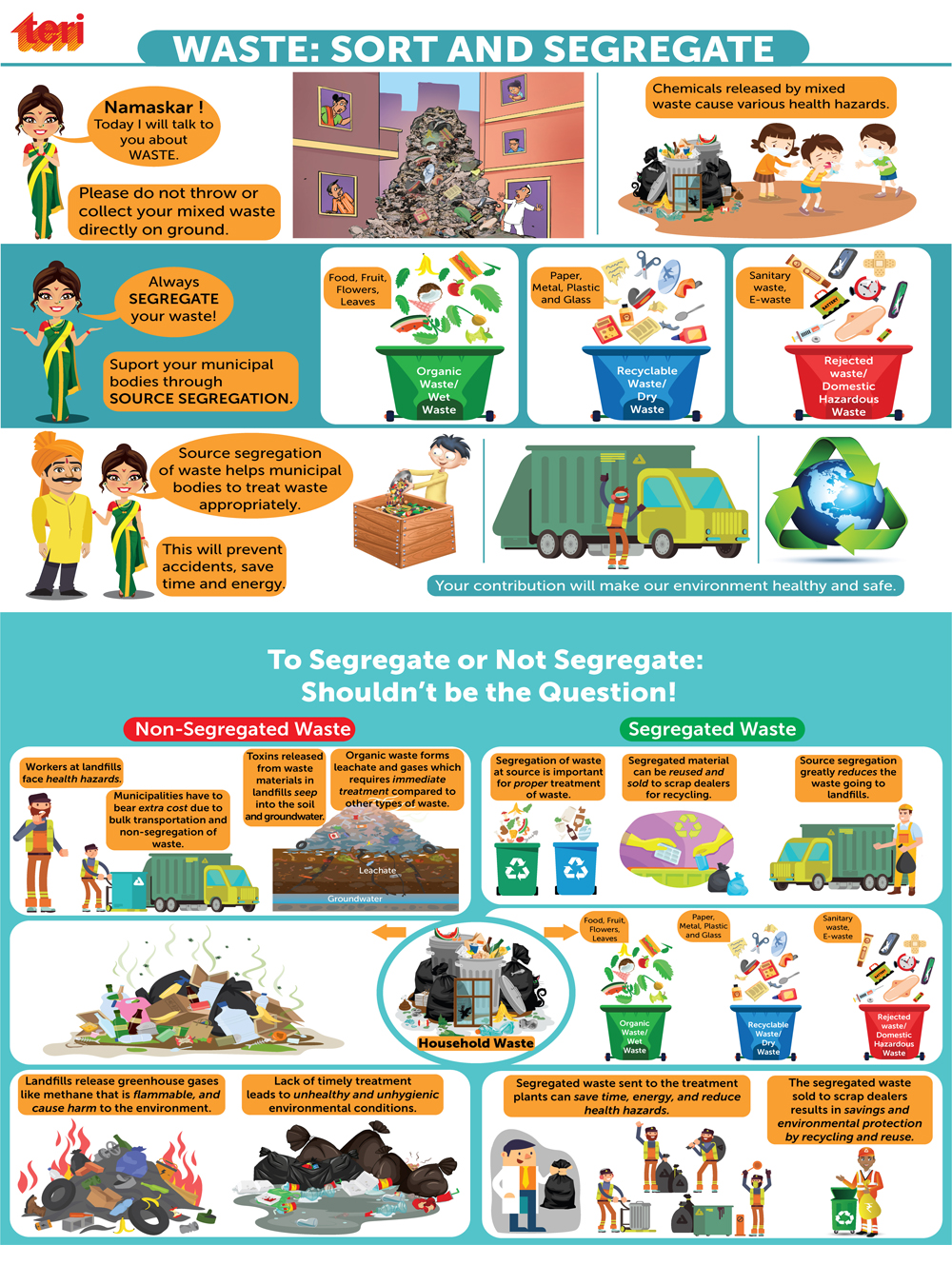
Waste generation has tremendously increased in the last decade with rapid urbanization and industrialization where it has reached a humongous figure of 62 million tonnes (MT)/year in India. Out of the total waste generated only 43 MT is collected, 11.9 MT is treated and rest of the 31 MT is simply dumped. Well it can be better disposed of with segregation and recycling to boost economy as well as benefit the environment.
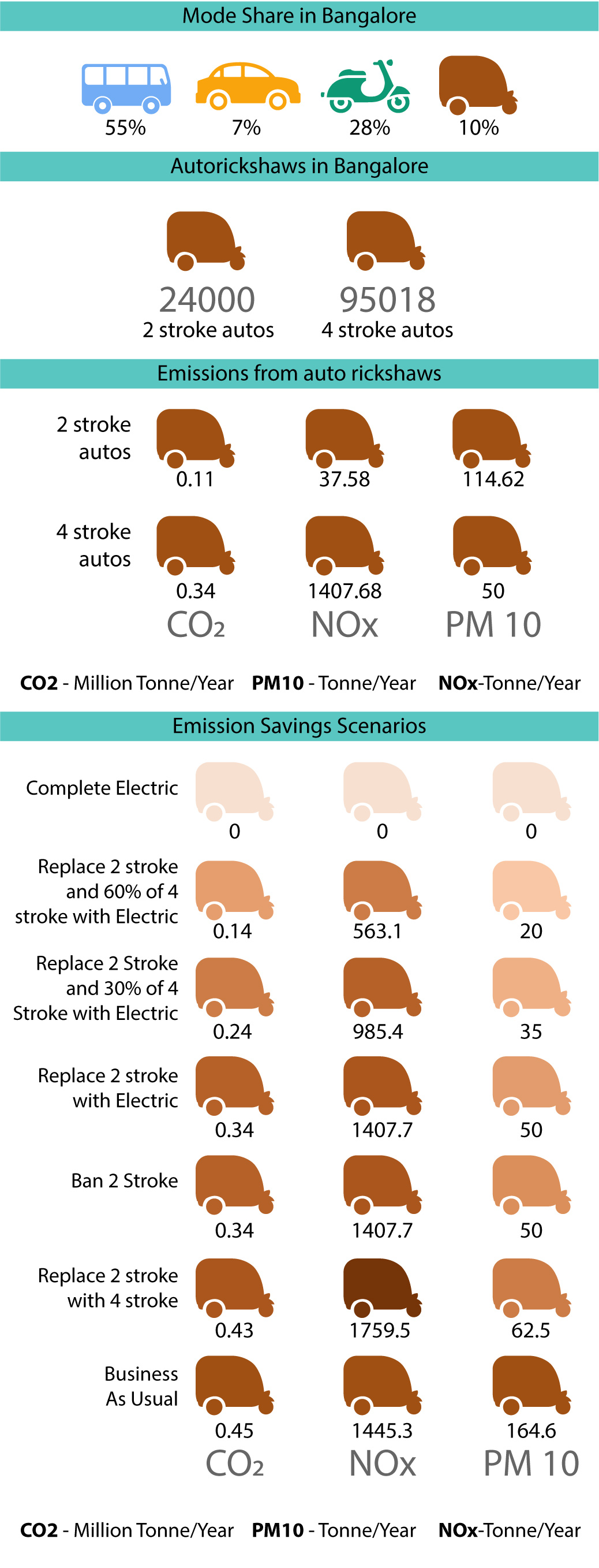
The growing vehicular pollution has caused serious health hazard in Indian metropolitan cities, Bengaluru being one of the major victims. The vehicular emissions are primarily dependent on fuel type and vehicle technology. The infographics show the estimates of vehicular emissions in form of carbon dioxide (CO2), particulate matter 10 (PM10) and nitrogen oxide (NOX) emitted by the auto-rickshaws plying in Bengaluru city and recommends policy-based solution based upon the estimated alternative scenarios.

India is second only to China in material consumption. However, compared to the rest of the world, its recycling rates are low and resource extraction very high. With a growing economy, India's resource use would reach unsustainable levels with high import dependence, material extraction, and waste generation. An integrated resource efficiency policy can help address these issues.

With a total installed capacity of 226 GW, thermal power plants in India produce about two thirds of the electricity. These plants consume about 14 to 16 million cubic metres of water per day. India's per capita water availability is less than 1700 m3, making the country already water stressed. An increase in water consumption for electricity generation limits water availability for other consumers in agriculture and domestic sectors.
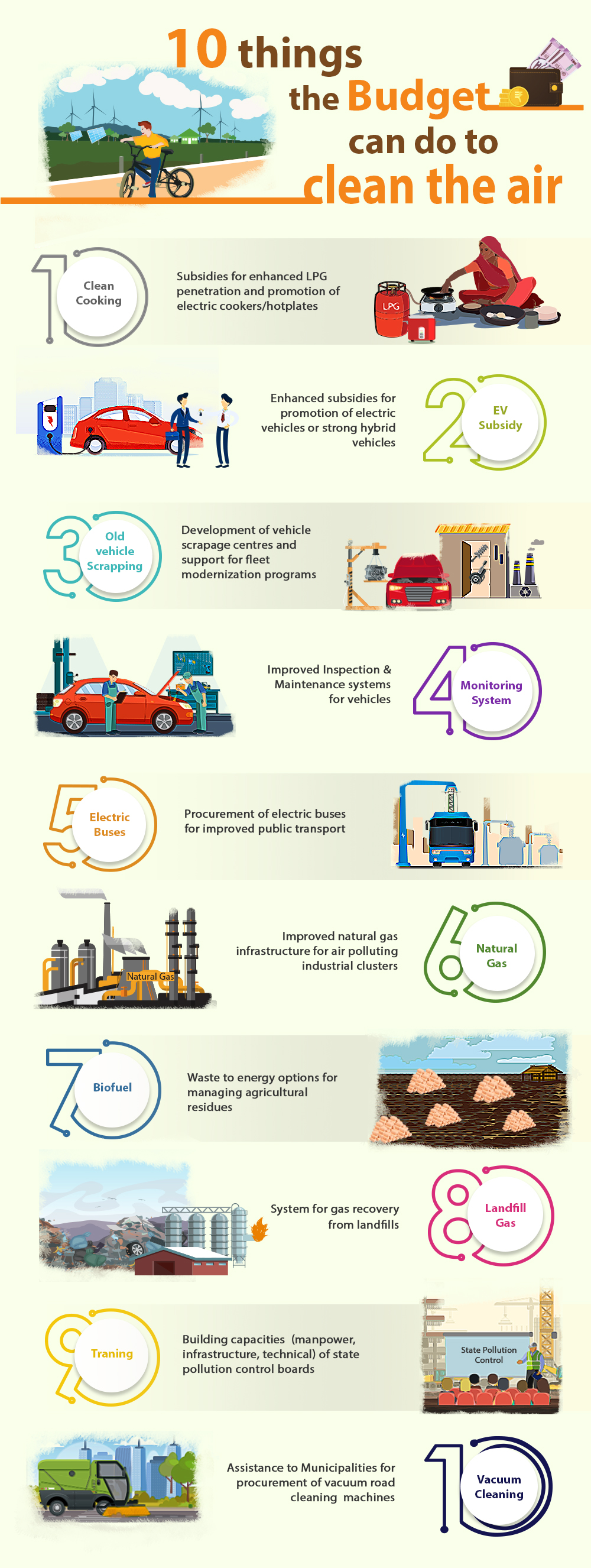
The Union Budget 2019 is expected to take forward its commitment of cleaning the air in Indian cities as spelt in the Interim Budget. The air issue of air quality management requires a multi-pronged approach through both short term and long term measures. While an effective plan requires a city specific action approach based on its source apportionment, here is a general summary of key things that should receive focus in this Budget.
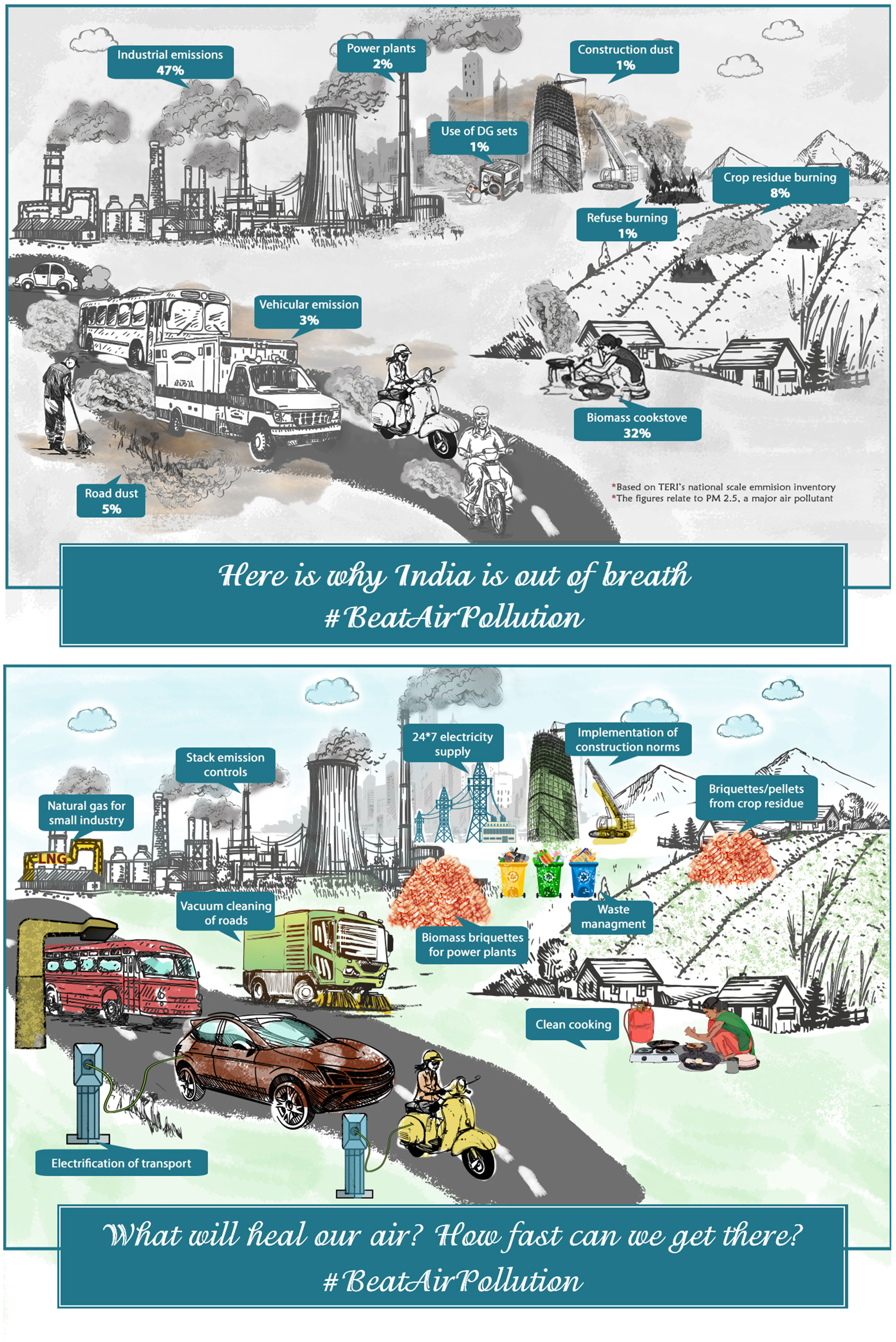
Click here if the infographic does not load automatically
<blockquote class="embedly-card"> <h4><a href="https://www.teriin.org/sites/default/files/2019-06/air-pollution-india.jpg">null</a></h4> </blockquote> <script async src="//cdn.embedly.com/widgets/platfo
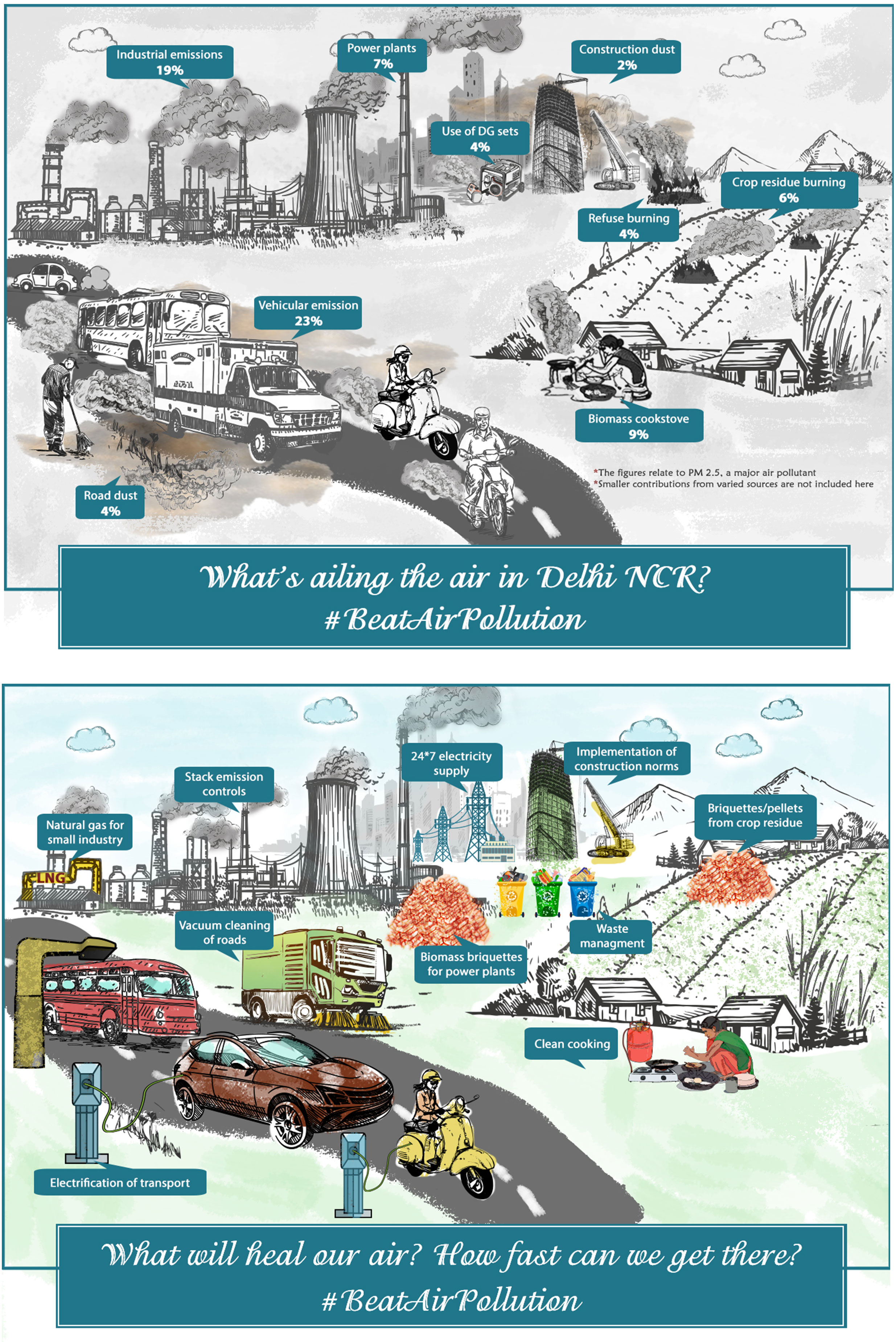
TERI and Automotive Research Association of India have conducted an exhaustive scientific study of source apportionment of PM2.5 and PM10 concentrations in Delhi NCR to derive sectoral contributions. The modelling was based on comprehensive air quality monitoring which was carried out at twenty representative locations for 10 days at each location for two seasons (in 2016-17) in Delhi and NCR. Both PM10 and PM2.5 average concentrations were found to be more than the prescribed National Ambient Air Quality Standards by CPCB [Central Pollution Control Board].