Headquarters
The Energy and Resources Institute (TERI)
Darbari Seth Block, Core 6C,
India Habitat Centre, Lodhi Road,
New Delhi - 110 003, India
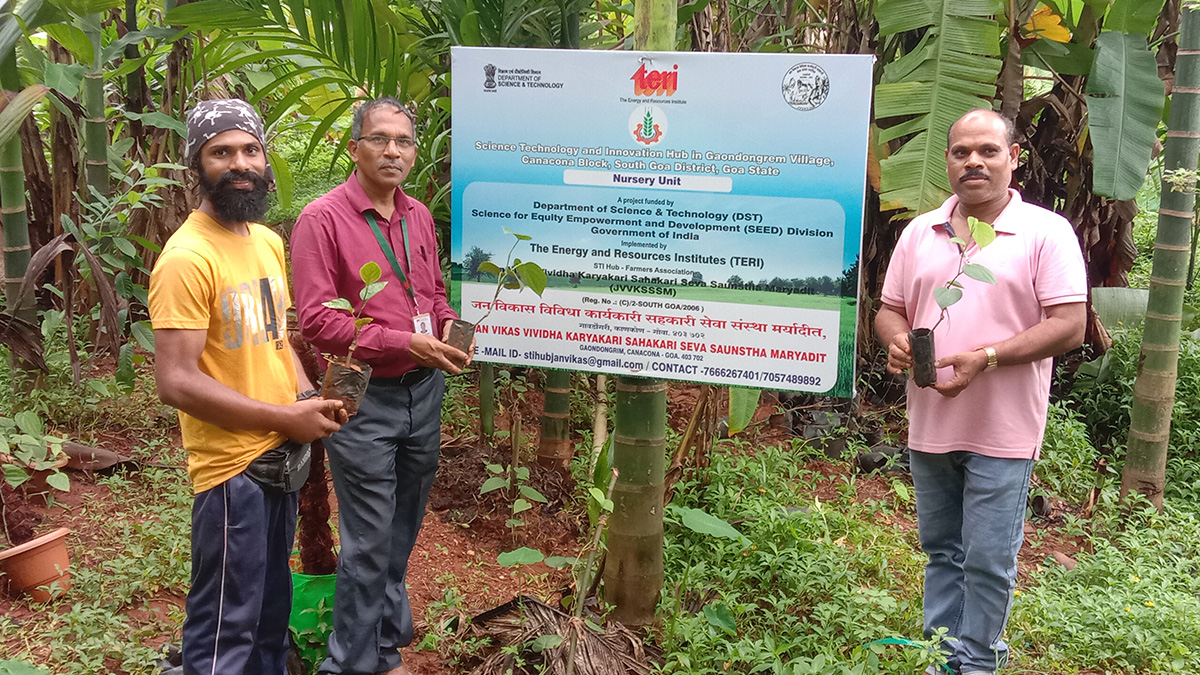
In Gaondongrem village, TERI is spearheading a transformative initiative to uplift rural Scheduled Tribe (ST) households. By integrating Science, Technology, and Innovation (STI) into the traditional agricultural landscape, this project bridges the gap between indigenous knowledge and modern efficiency. From implementing rainwater harvesting to fostering agri-business start-ups, the initiative is designed to create a self-reliant, vibrant rural economy that empowers women and youth while ensuring long-term climate resilience.
The project is built on four strategic pillars aimed at holistic rural development:
The project aims to uplift rural communities in Gaondongrem village, with a primary focus on Scheduled Tribe households, through the application of Science, Technology, and Innovation (STI). The initiative promotes sustainable agricultural practices, enhanced livelihood opportunities, and community-led economic development.
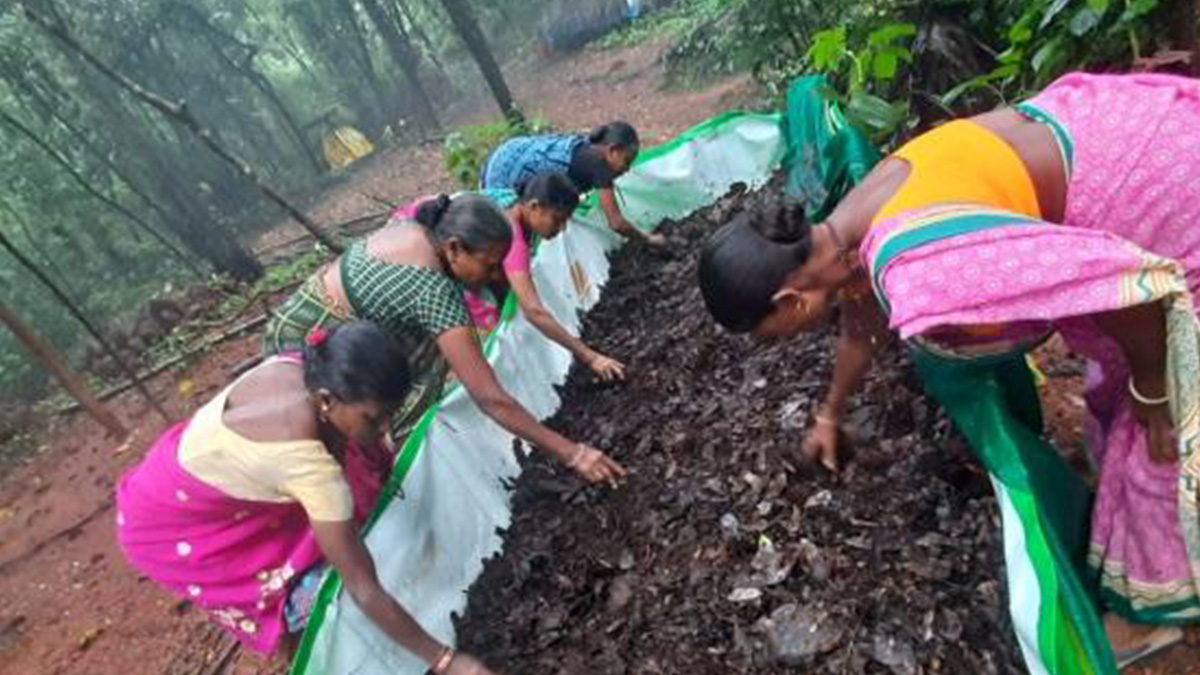
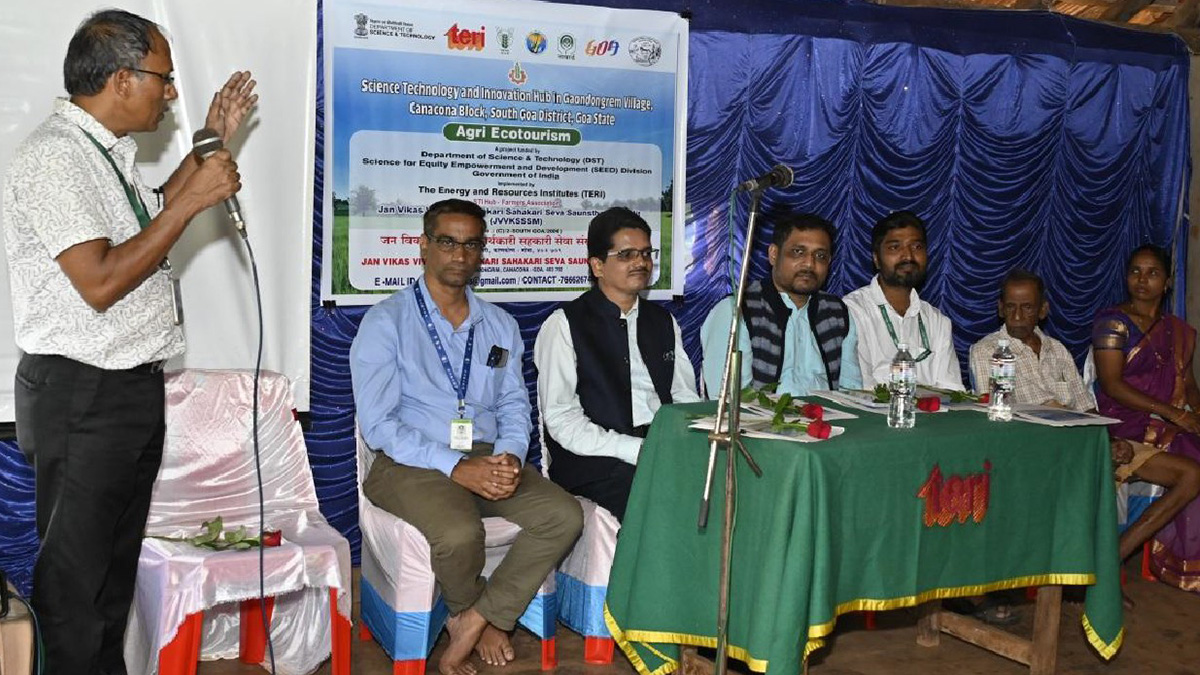
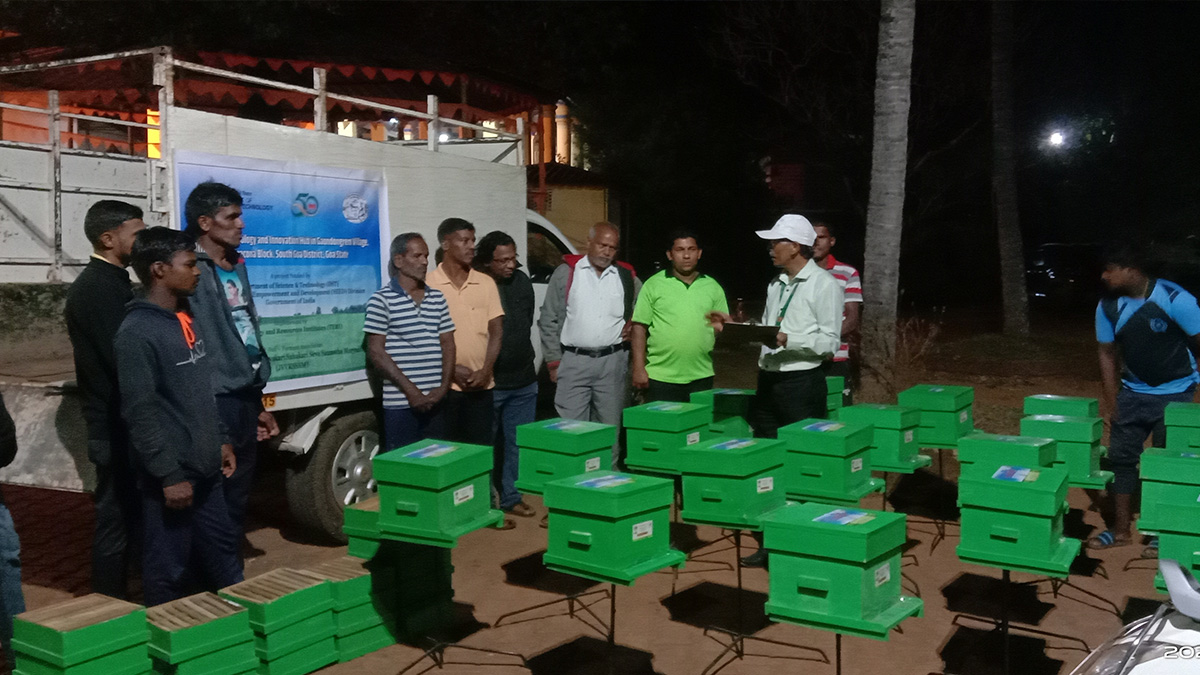
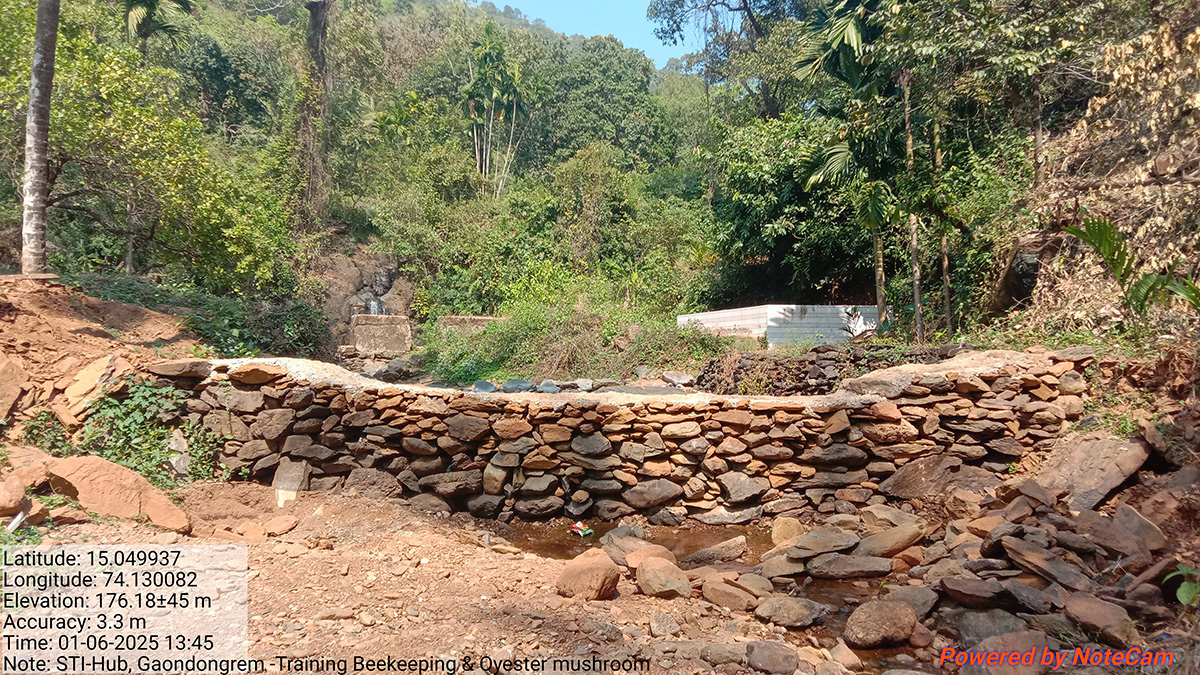
Key interventions include capacity-building workshops and hands-on training to introduce farm mechanization and modern organic farming techniques, leading to increased productivity, improved produce quality, and higher farmer incomes. Sustainable water management solutions, particularly rainwater harvesting systems, have been promoted to improve water availability and strengthen climate resilience.
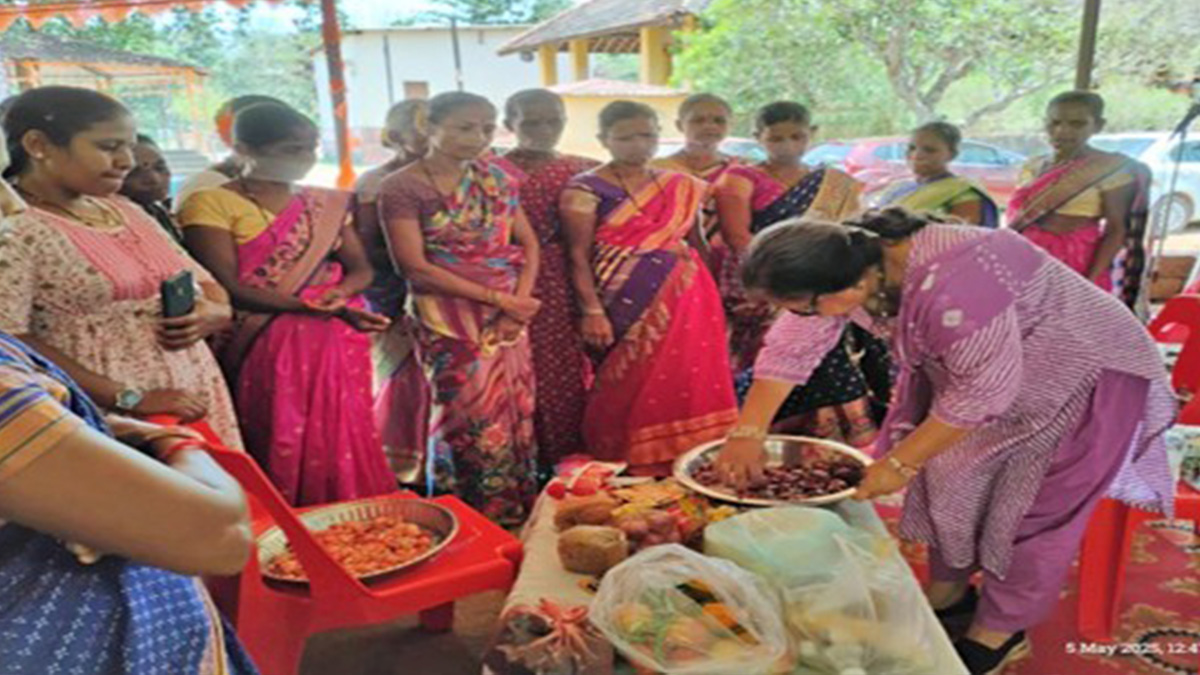
The project also emphasizes livelihood diversification by supporting value addition to agricultural produce, development of agri-business start-ups, and exploration of eco-tourism opportunities. Special focus is given to empowering women and youth through skill development and entrepreneurship. All interventions are implemented through a farmer-led institutional mechanism, ensuring long-term sustainability and fostering a self-reliant, vibrant rural economy.
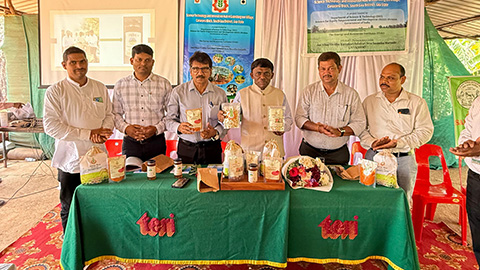
Lab Testing of Local Food Products (as per FSSAI Guidelines)
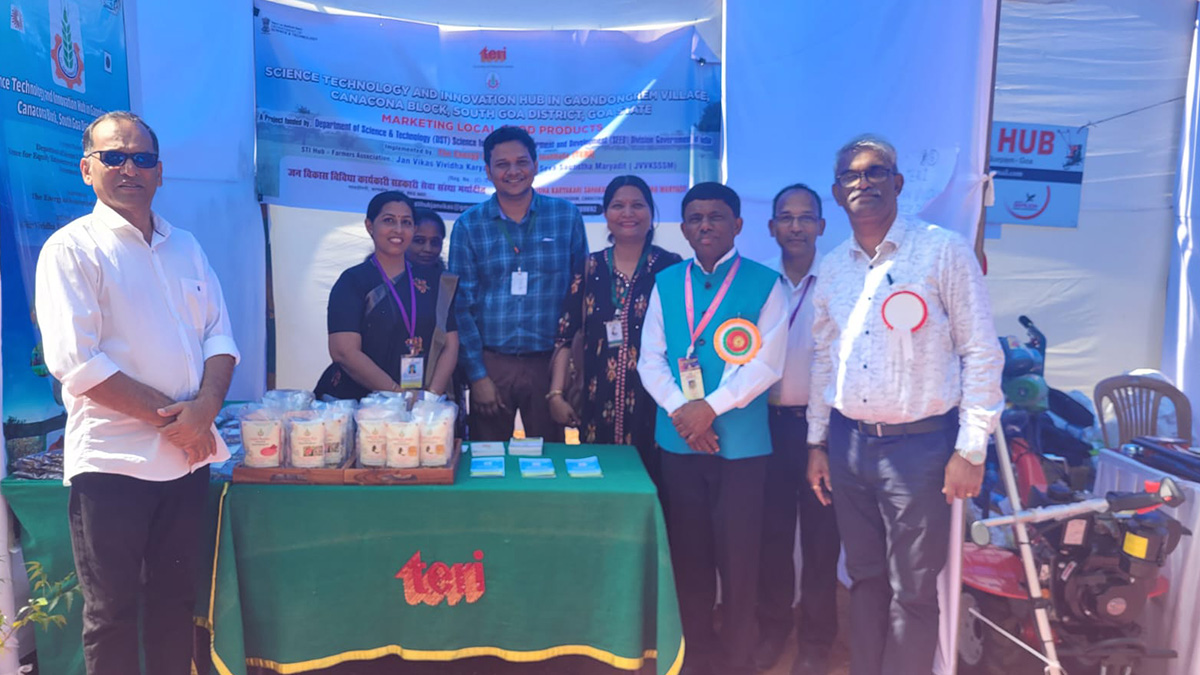
To ensure local products compete in the mainstream market, the project facilitated rigorous Lab Testing (as per FSSAI Guidelines) for:
These certifications have been instrumental in building consumer trust, standardizing products, and unlocking new market access for local producers.
The Gaondongrem STI Hub stands as a replicable, scalable model. It demonstrates that when integrated technology meets community-led institutional mechanisms, it doesn't just address vulnerabilities—it transforms them into sustainable economic opportunities.