
Headquarters
The Energy and Resources Institute (TERI)
Darbari Seth Block, Core 6C,
India Habitat Centre, Lodhi Road,
New Delhi - 110 003, India
Energy Wise Energy Rise (EWER) is TERI’s flagship school-based sustainability initiative, implemented in partnership with BSES Rajdhani Power Limited. The program helps children navigate the vital links between energy consumption, pollution, renewable resources, and proactive environmental stewardship. Since its launch in 2018, EWER has worked across Delhi schools to cultivate awareness and drive behavioral change, empowering students to become informed, responsible citizens within their homes and communities.
In its foundational phases, EWER collaborated with government schools across South and West Delhi, reaching over 90,000 middle-school students in 400 institutions. Building on this momentum, Phase V marks a strategic shift in focus. The program has been redesigned specifically for younger learners in Classes III to V, recognizing that these formative years are critical for instilling the lifelong habits, values, and daily choices that underpin a sustainable future.
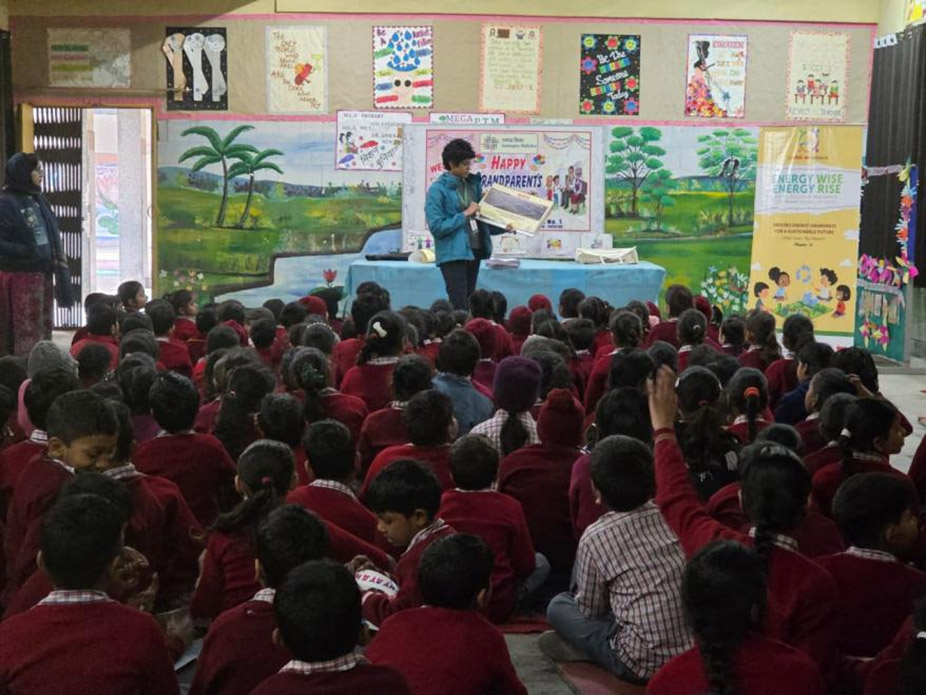 CAPTION: A facilitator using the flipchart to teach students about energy distribution
In 2025–26, EWER Phase V was implemented across 70 MCD primary schools in South and West Delhi, reaching 17,380 students. The programme specifically prioritized children from environmentally vulnerable neighbourhoods, where the realities of air pollution, heat stress, unplanned urbanisation, and uneven civic infrastructure make sustainability education deeply relevant to daily life.
Beyond student engagement, this phase sought to institutionalize these values by strengthening the role of teachers and schools. By integrating sustainability into everyday classroom practice, the initiative ensures that learning extends far beyond one-time workshops, fostering a long-term culture of environmental consciousness.
EWER Phase V was designed to build foundational energy and environmental literacy among primary school children, while simultaneously empowering teachers and schools to sustain this learning. The programme focused on a three-pronged approach: generating awareness, nudging behavioral change, and fostering the confidence in children to act as “Energy Champions” within their homes and communities.
Phase V focused specifically on MCD primary schools, as many serve children from low-income and environmentally vulnerable neighbourhoods in South and West Delhi. These areas often face overlapping challenges, including air pollution, heat stress, unplanned urbanisation, and uneven civic infrastructure, making sustainability education a vital tool for navigating daily life.
In this context, environmental learning transcends abstract global issues. It is about helping children make sense of their immediate world: understanding why the air quality fluctuates, why energy conservation is essential, and why waste management matters. Ultimately, the programme empowers them to see how small, tangible actions at school and at home can drive meaningful change.
Phase V followed a rigorous implementation roadmap, beginning with institutional permissions and close coordination with education authorities. A central pillar of this ecosystem was the identification and preparation of nodal teachers in each school to lead classroom delivery. To ensure long-term impact, the team also assessed the status of existing eco-clubs, collaborating with motivated teachers to revive or strengthen them as hubs for environmental action in future phases.
The programme was structured as a continuous learning journey rather than a series of standalone sessions. Students participated in two sequential workshop rounds, while teachers were oriented to the pedagogy and materials. By encouraging schools to integrate Teaching-Learning Materials (TLMs) into weekly activity periods and Environmental Studies lessons, the initiative ensured that sustainability concepts were reinforced and institutionalized within the school’s core curriculum.
The student workshops were designed to be interactive, visual, and highly relatable for young learners. In the first round, students completed a baseline pre-assessment before exploring key sustainability concepts through vibrant, flipchart-based storytelling. The session culminated in a specially designed “Snakes and Ladders” game, which transformed environmental education into an immersive experience by linking responsible actions and harmful habits with immediate, visible consequences on the board.
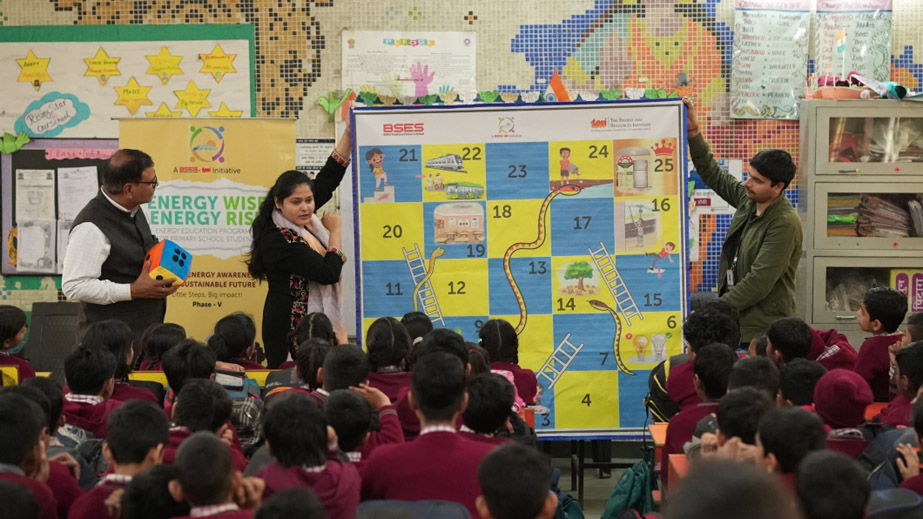 CAPTION: Facilitators explaining the game to students
The workshops utilized relatable examples from the children’s daily lives to ensure that environmental concepts felt tangible rather than abstract. Facilitators introduced ideas, such as energy conservation, resource management, and renewable energy, through simple, engaging methods designed to spark curiosity and active participation.
In the second round, students completed a post-assessment to measure their progress before revisiting core concepts for reinforcement. They were also introduced to a dedicated programme booklet, designed to facilitate self-paced learning beyond the classroom. By encouraging students to share these insights with their families and engage in creative tasks, such as artwork and practical sustainability projects, the initiative successfully extended the impact of the learning from the school into the home.
A defining feature of Phase V was its emphasis on play-based and experiential learning. Moving beyond traditional rote explanation, the programme leveraged visual aids, storytelling, and interactive games to translate complex environmental concepts into age-appropriate, relatable insights.
This approach was uniquely suited to primary school learners, who retain information best when it is anchored in imagery, narrative, and physical action. By prioritizing repetition and engagement, the workshop design ensured that sustainability felt less like a classroom lecture and more like a lived experience, something children could see, do, discuss, and remember long after the session ended.
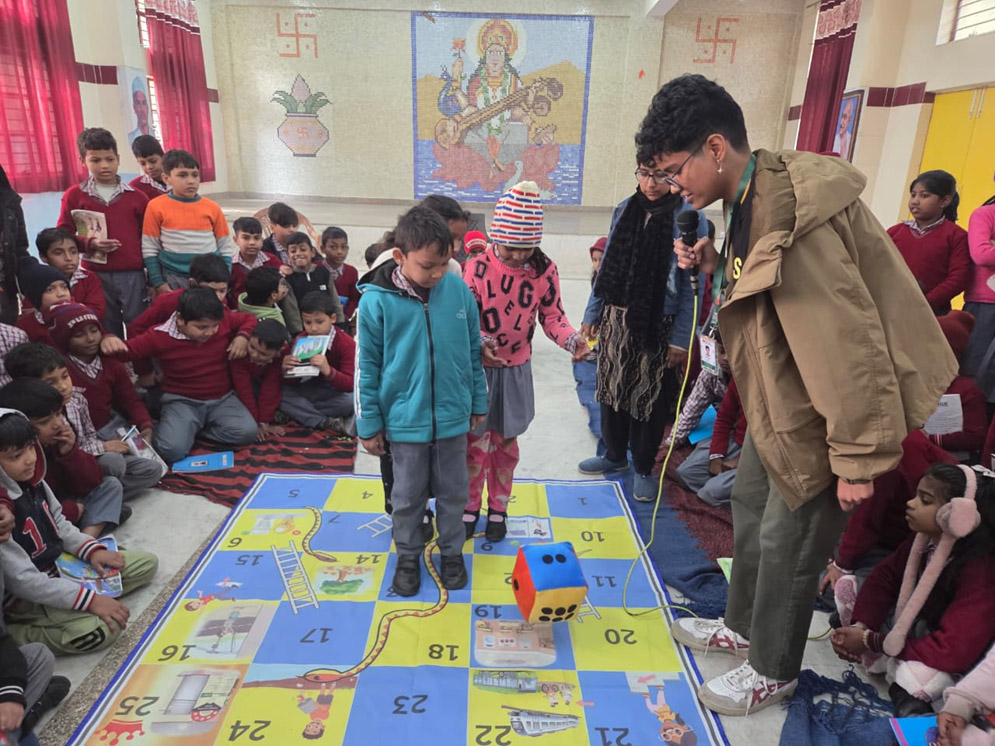 CAPTIONS: Students learning about energy conservation and sustainability through the Snakes and Ladders game
Pre- and post-assessments were fundamental to Phase V, providing a data-driven understanding of both the students' baseline knowledge and their learning trajectory following the intervention. Recognizing that the target group was young, and that many children faced significant learning gaps. the assessment tools were designed in a child-friendly, pictorial format to ensure accessibility and clarity.
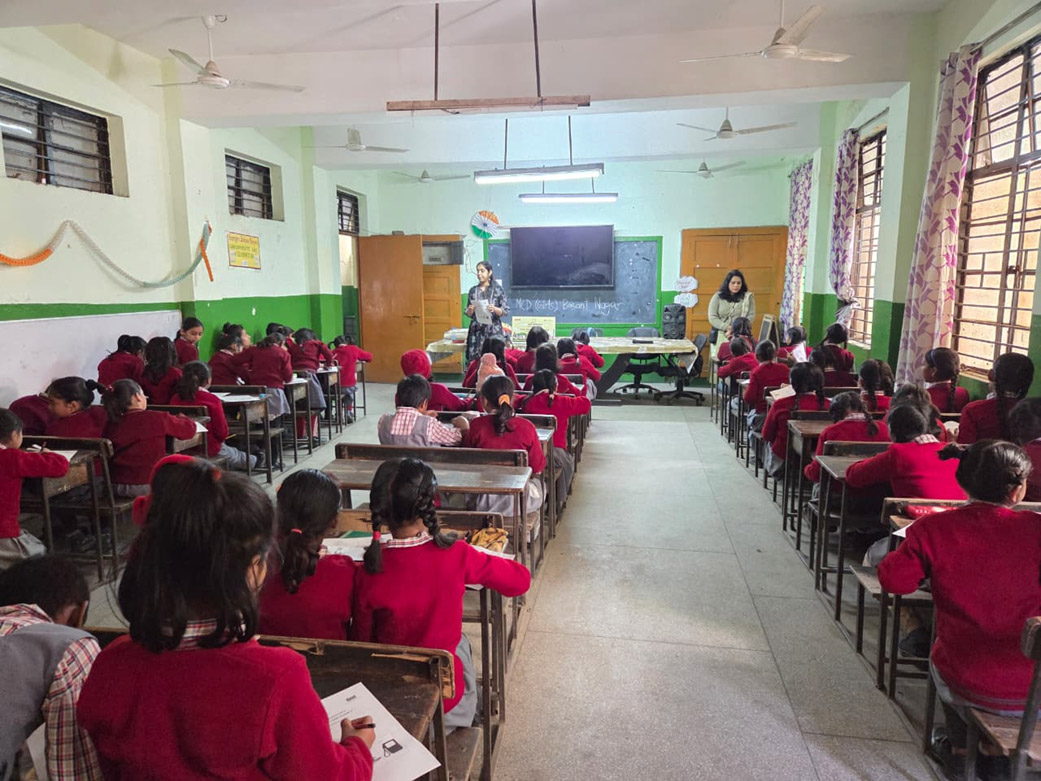 Caption: Students filling out the pre-assessment questionnaire
The results demonstrated a clear upward trend in comprehension across all grades and themes. Average scores rose significantly post-intervention, with results showing near-universal understanding of core concepts. This progress was particularly notable in areas such as waste management, where baseline awareness had previously been at its lowest, proving the efficacy of the programme’s interactive and visual pedagogy.
A major strength of Phase V was the comprehensive suite of teaching-learning materials (TLMs) developed for both students and educators. This toolkit included the student handbook, Hamari Prithvi, Hamari Zimmedari, along with a teacher’s module, flipcharts, posters, assessment sheets, and the flagship "Snakes and Ladders" game.
The student handbook utilized storytelling, comic strips, and interactive activities to demystify sustainability. Relatable characters like Beeju and Roshni acted as guides through the content, making environmental stewardship feel personal and engaging. To ensure these lessons were easily integrated into the curriculum, the teacher’s module provided structured, ready-to-use support for classroom delivery.
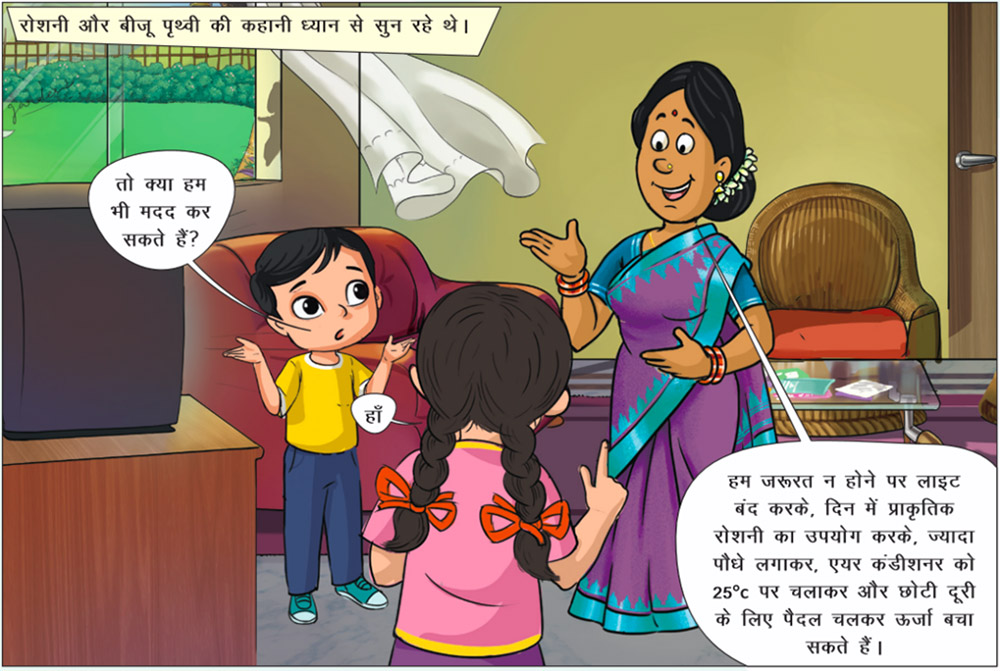 Caption: Comics used to teach environmental concepts from the children’s textbook
Supporting these core materials, the posters and flipcharts provided constant visual reinforcement of key messages—such as energy conservation and renewable resources—while the board game transformed learning into an interactive, high-energy experience.
The posters and flipcharts reinforced the main messages on energy conservation, renewable energy, and sustainable practices, while the game made learning interactive and fun.
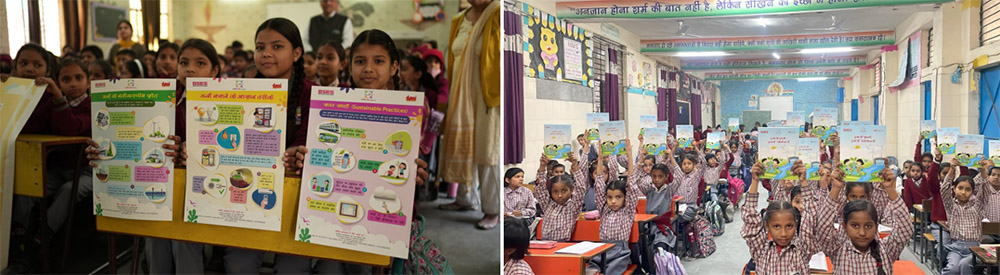 CAPTION: Students pictured with the thematic posters and the Hamari Prithvi, Hamari Zimmedari textbook
Teachers played a pivotal role in Phase V. To support them, two online training workshops were organized to build their capacity in energy education, sustainability themes, and activity-based learning. Feedback from participants revealed a strong appreciation for the pedagogy, with the board game, visual posters, and child-friendly assessment sheets highlighted as particularly effective classroom tools.
Beyond the immediate training, teachers expressed a keen interest in more hands-on activities, exposure visits, and long-term engagement. This demand for continued involvement demonstrates that the programme provided significant value beyond the initial sessions, successfully fostering a community of educators committed to environmental stewardship.
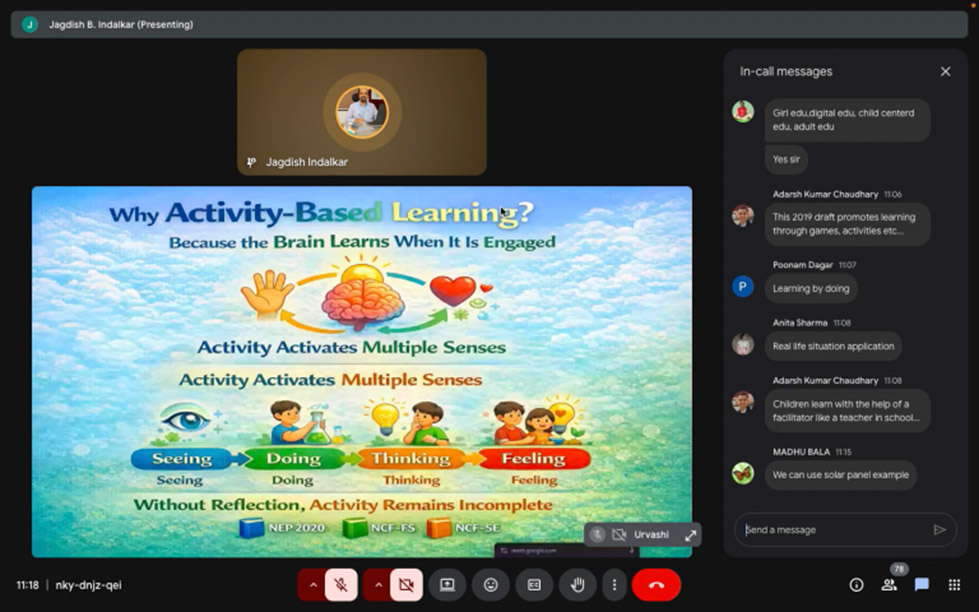 Caption: Expert session on Activity-Based Learning during the first Teachers’ Training Workshop
While direct parent engagement was limited, the programme intentionally empowered students to bring their learning home through "switch-off" challenges, home-based activities, and the identification of BEE star-rated appliances. By bridging this gap, the initiative extended its reach far beyond the classroom, positioning children as active energy ambassadors within their families. EWER Phase V demonstrates that when sustainability education is introduced early and delivered through storytelling, play, and practical application, children do more than just learn—they engage deeply and carry those lessons forward. Ultimately, the programme has established a vital foundation for energy-conscious habits and environmentally responsible behavior among Delhi’s next generation of citizens.
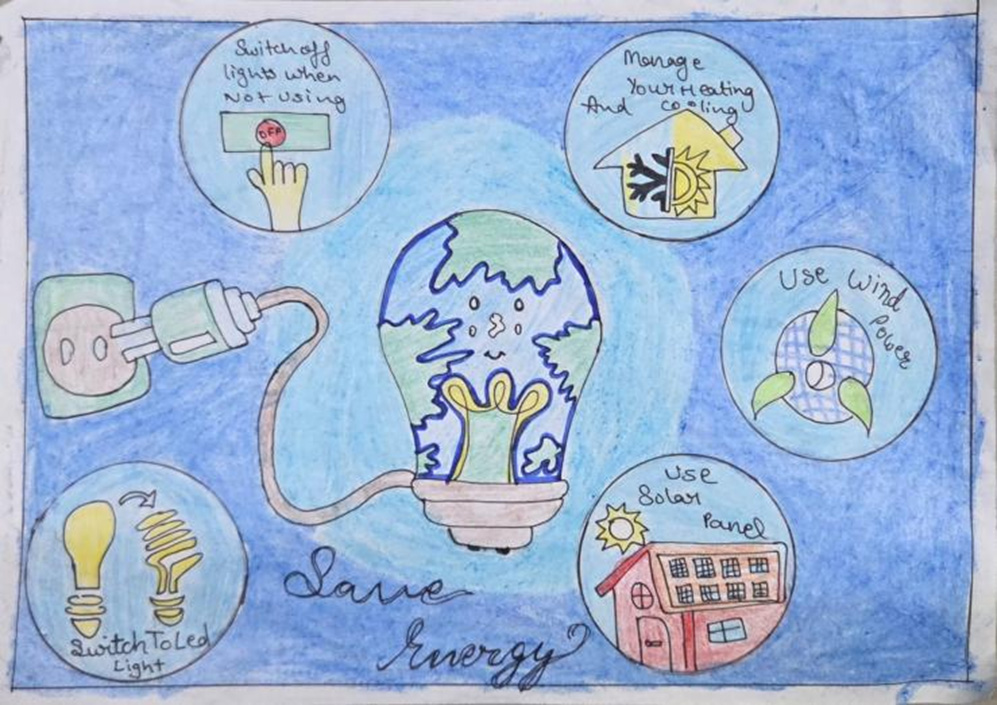 CAPTION: Poster on energy conservation made by a student
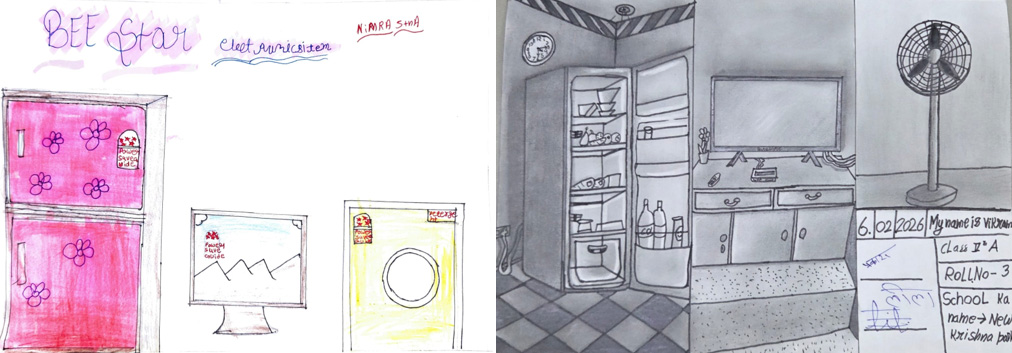 CAPTION: Students’ drawings of the electrical appliances found in their households