Restoring India’s Rivers: An Integrated Pollution Management Framework
Focusing on the Yamuna and Musi river basins, this project identifies the core drivers of river pollution to develop scalable solutions for river basins across India. By leveraging a systems thinking approach and active stakeholder engagement, the initiative aims to deliver a comprehensive, integrated river pollution management and implementation framework. To accurately analyze pollution sources and systemic vulnerabilities in both basins, the study deployed a structured, multi-pronged methodology:
- Rigorous analysis of secondary data
- Comprehensive stakeholder identification
- Targeted Key-Person Interviews (KPIs)
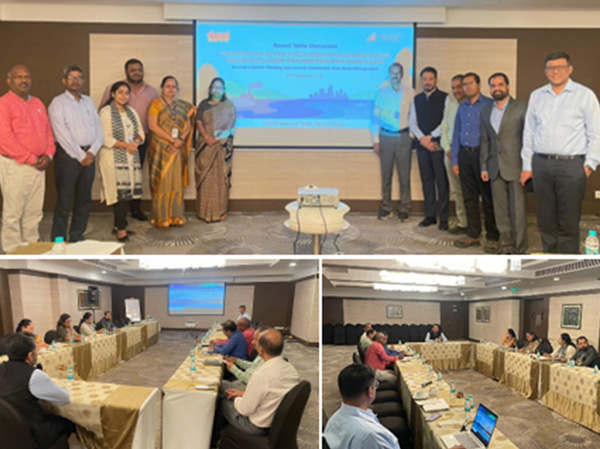
- Collaborative basin consultations rooted in systems thinking
- Key Recommendations for River Basin Management
The study outlines a strategic roadmap for India’s river basin management, focusing on policy reforms, infrastructure upgrades, financial sustainability, and community participation.
- Stricter Enforcement: Tighten regulatory compliance and establish unambiguous roles and coordination mechanisms among governing agencies.
- Accountability Measures: Introduce heavy penalties for untreated sewage discharge and mandate scientific evaluations for all river-related projects.
- Smart Urban Planning: Integrate formal sewerage regulations into urban planning and transition to population-based forecasting for future sewerage design.
- Resource Allocation: Scientifically assess and maintain crucial environmental flows, while revising water-sharing agreements to reflect current and future climate needs.
Advanced Wastewater & Industrial Management
- Infrastructure Scaling: Increase treatment capacity by expanding and upgrading Sewage Treatment Plants (STPs) and Common Effluent Treatment Plants (CETPs).
- Decentralized Solutions: Develop localized, decentralized treatment systems in densely populated or underserved areas.
- Circular Economy: Promote the reuse of treated wastewater backed by viable, structured pricing mechanisms.
- Industrial Accountability: Implement real-time monitoring of industrial effluents, mandate industry registration, and offer financial incentives for adopting cleaner production technologies.
Solid Waste & Ecosystem Protection
- Waste Management: Enforce strict penalties for illegal dumping while actively promoting recycling and waste-to-energy initiatives.
- Ecological Guardrails: Protect river ecology and prevent illegal encroachment through robust floodplain protection and climate-smart land-use planning.
- Agricultural Runoff: Implement strict guidelines to regulate pesticide use and minimize agricultural runoff into water systems.
Technical fixes alone cannot save India's rivers. True sustainability requires continuous capacity building for plant operators, alongside widespread public awareness campaigns to foster active community ownership and participation.