Headquarters
The Energy and Resources Institute (TERI)
Darbari Seth Block, Core 6C,
India Habitat Centre, Lodhi Road,
New Delhi - 110 003, India
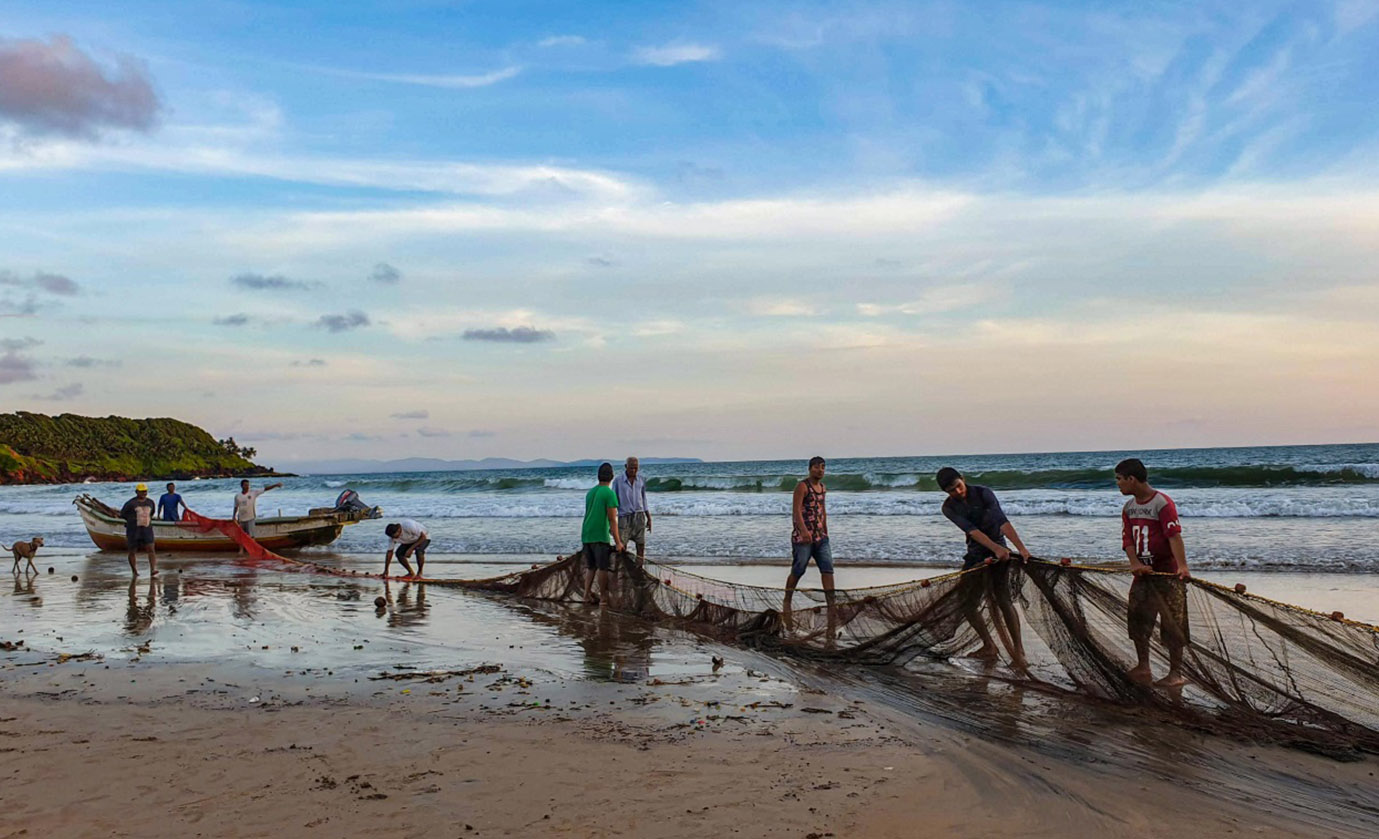
Sustainable Development Goal 14 (Life Below Water) focuses on the conservation and sustainable use of marine resources while ensuring equitable access for coastal communities, particularly small-scale fishers. Key targets include addressing overfishing and Illegal, Unreported, and Unregulated (IUU) fishing (Target 14.4), expanding marine conservation areas (Target 14.5), reforming harmful subsidies (Target 14.6), and strengthening market access for artisanal fishers (Target 14.b). With less than five years remaining to achieve the 2030 Agenda, there is an urgent need to take stock of progress and identify implementation gaps, especially in maritime nations like India where fisheries are foundational to food security and livelihoods.
As home to one of the world's largest fisheries sectors, India’s progress on SDG 14 is intrinsically linked to its broader economic development. The national Blue Economy Vision—guided by the SAGAR (Security and Growth for All in the Region) doctrine and aligned with the Viksit Bharat 2047 vision—aims to promote sustainable growth across aquaculture, marine transport, and coastal tourism. Central to this strategy is the improvement of governance systems and the mobilization of innovative investments, such as blue bonds, to ensure growth remains inclusive and environmentally responsible.
Current trends in India show a dual narrative of growth and persistent challenges. While the Maximum Sustainable Yield (MSY)—a primary indicator for Target 14.4—has risen significantly from 3.078 million tonnes in 2015–16 to 5.311 million tonnes in 2024–25, this figure does not fully account for local overfishing pressures or the true extent of IUU fishing.
Other areas highlight a need for accelerated action:
Furthermore, national-level data often obscures state-level disparities and governance hurdles, such as fragmented institutional arrangements and the mounting pressure of climate change on fish availability.
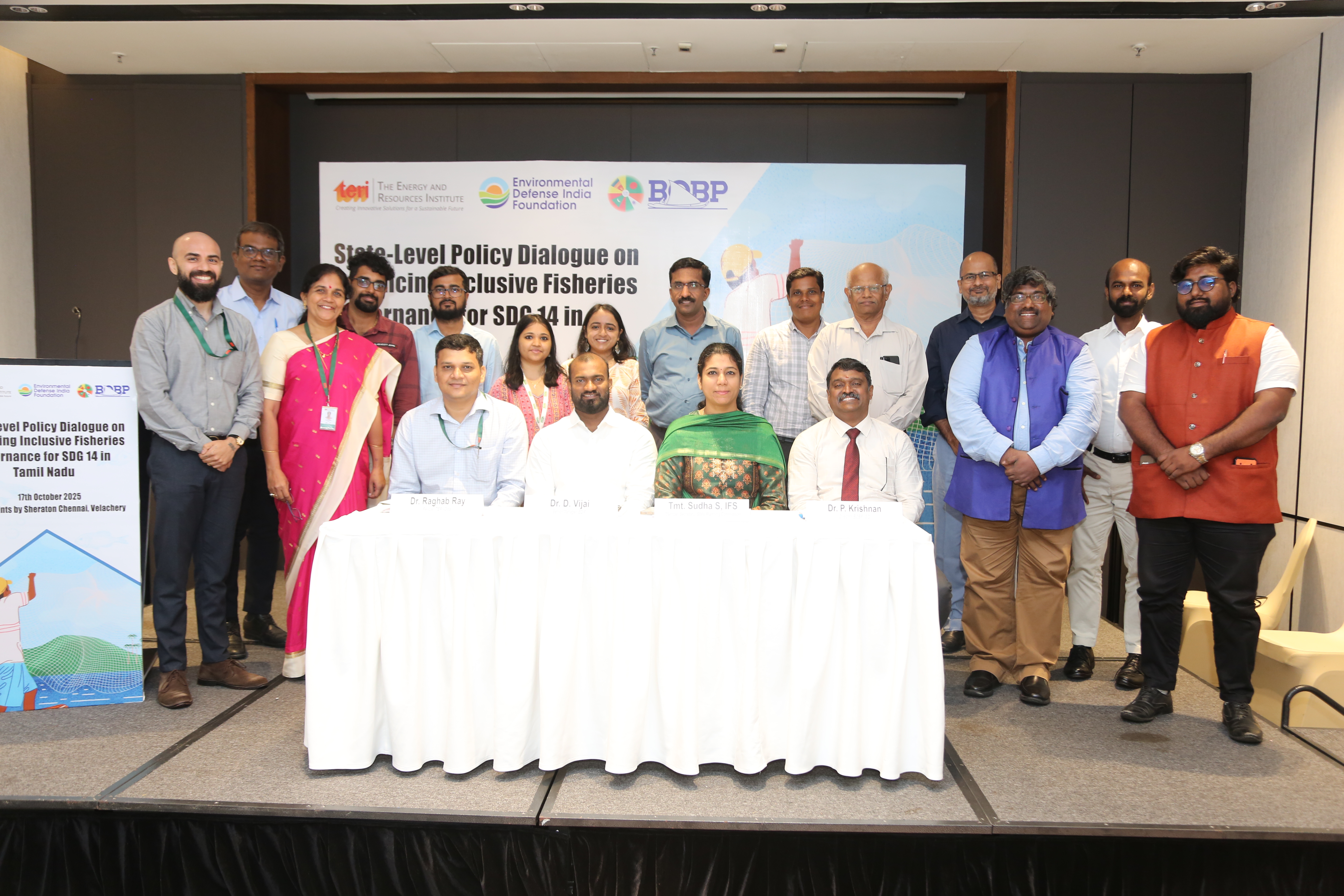
Recognizing that effective fisheries governance requires a localized, coordinated approach, TERI, in collaboration with the Environmental Defense India Foundation (EDIF), is organizing a series of State-Level Policy Dialogues on “Advancing Governance for SDG 14.” Spanning coastal states and union territories, these dialogues bring together policymakers, experts, and development partners to:
These discussions are designed to move beyond theory, yielding actionable recommendations that strengthen India’s leadership in marine governance. By fostering a platform for knowledge sharing and policy alignment, this initiative contributes to a more resilient, equitable, and sustainable blue economy.