Headquarters
The Energy and Resources Institute (TERI)
Darbari Seth Block, Core 6C,
India Habitat Centre, Lodhi Road,
New Delhi - 110 003, India
GHG and Carbon in Tidal Marshes: A Blue Carbon Initiative in Chennai
As a key component of the TN-SHORE flagship program, this project—funded by the Department of Environment and Climate Change, Government of Tamil Nadu—focuses on short-term feasibility and baseline scientific assessments. By utilizing established methodologies alongside emerging cost-effective, scalable, and accurate technologies, the initiative seeks to provide a rigorous data foundation for coastal conservation.
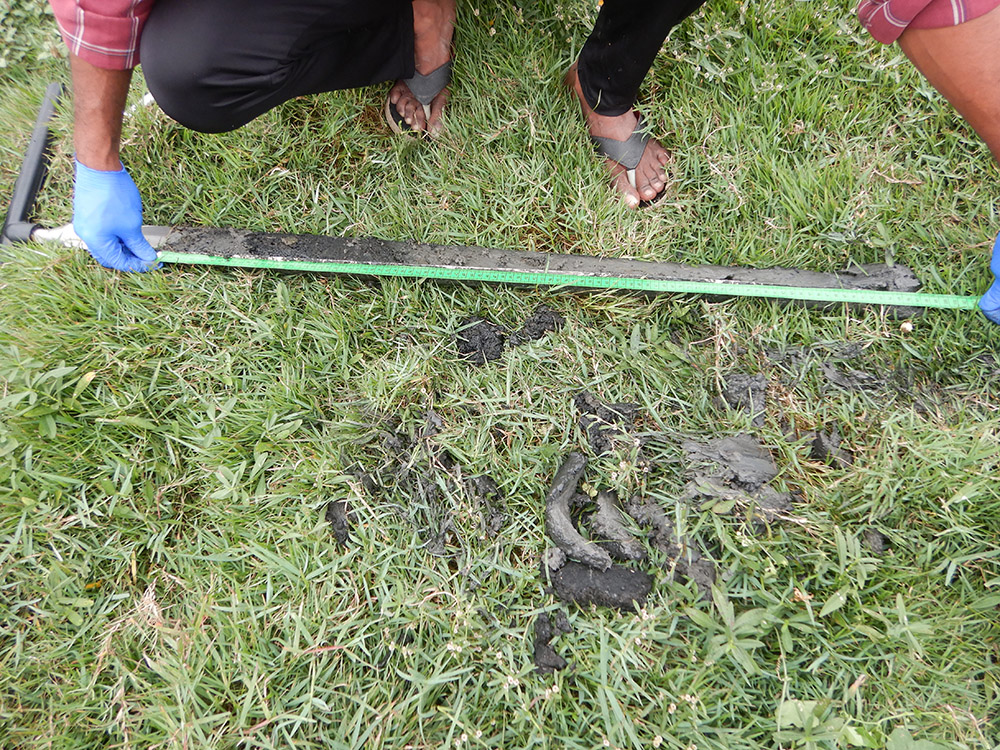
The primary objective is to quantify the carbon sequestration potential within both biomass and soil, while simultaneously monitoring greenhouse gas (GHG) emissions ((CO₂, CH₄, N2O) across the tidal marshes of Chennai.
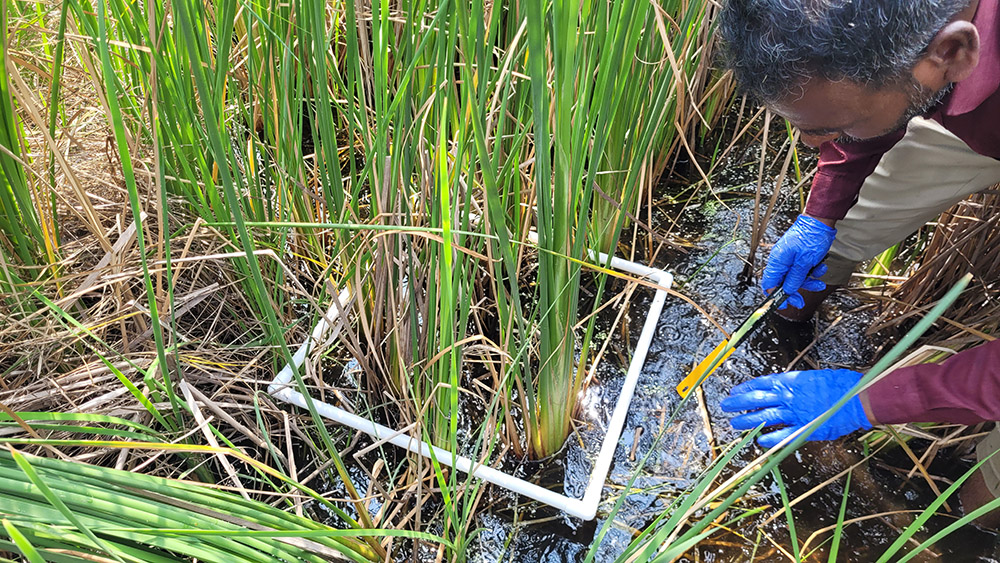
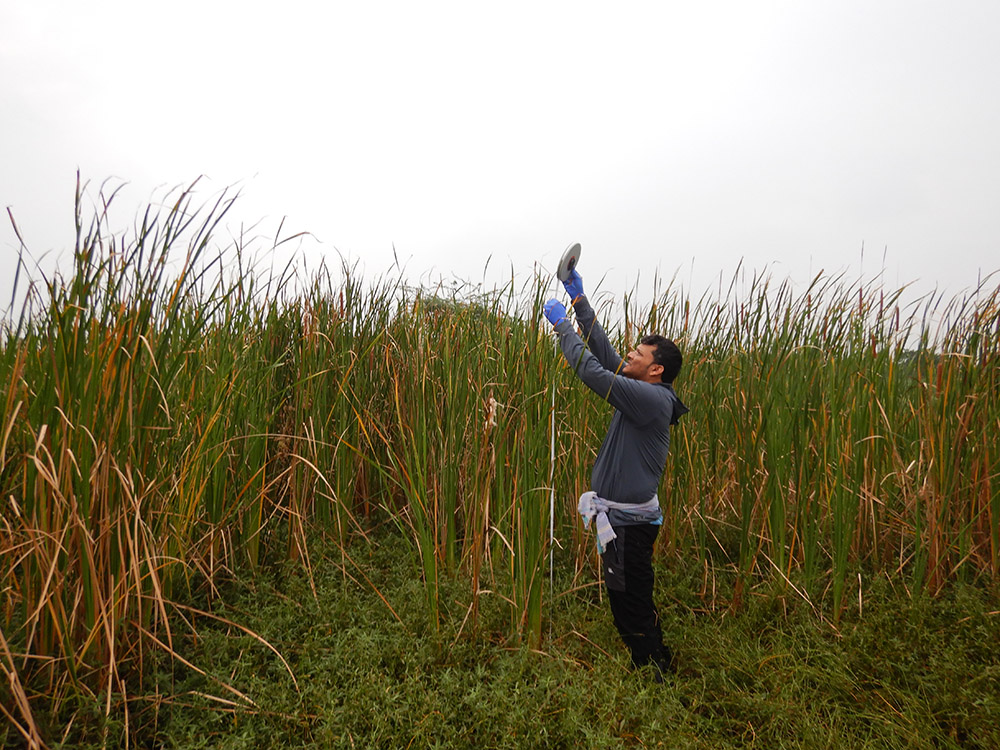
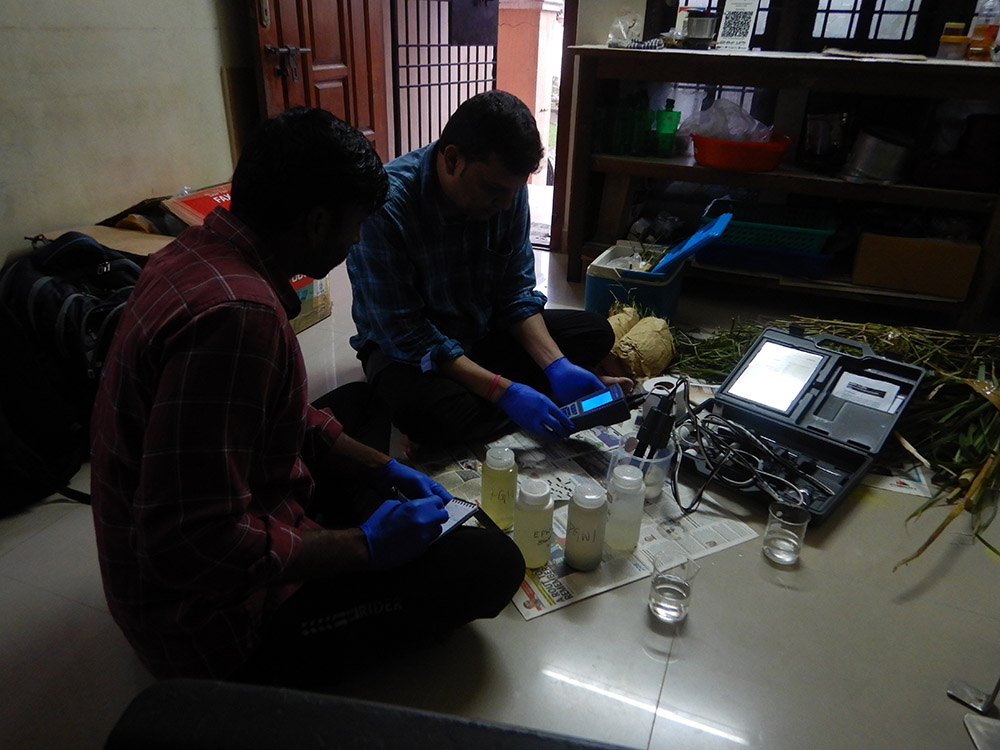
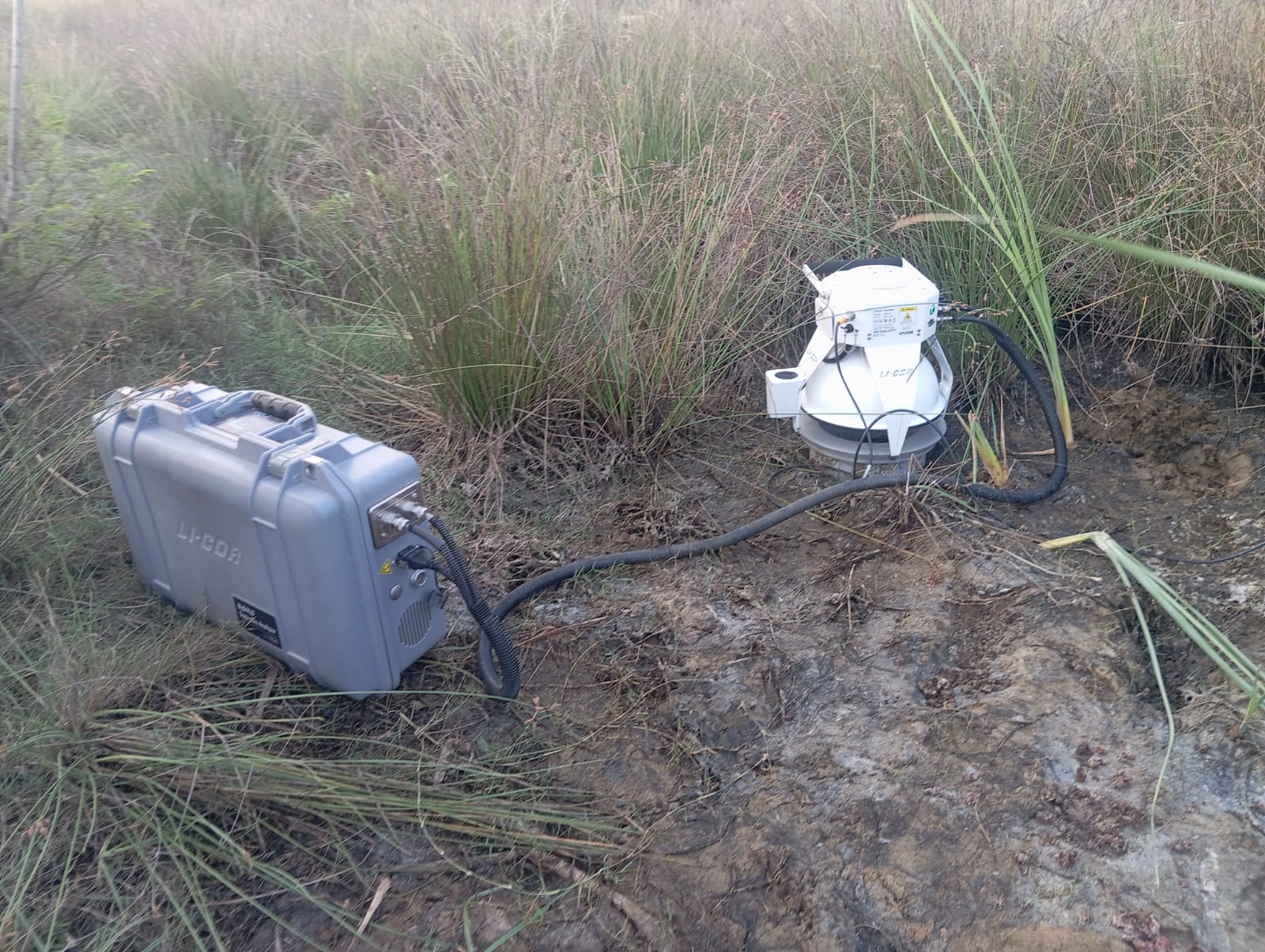
By deploying cutting-edge analytical tools—including advanced remote sensing, Li-COR chambers, CHN Analyzers, and EUTECH multiprobes—the project is conducting a comprehensive assessment of the dynamic interactions between water, vegetation, and soil. This research evaluates current wetland conditions, estimates vegetation stocks, identifies primary drivers of environmental change, and analyzes the resulting ecological implications for biodiversity and wetland functionality.
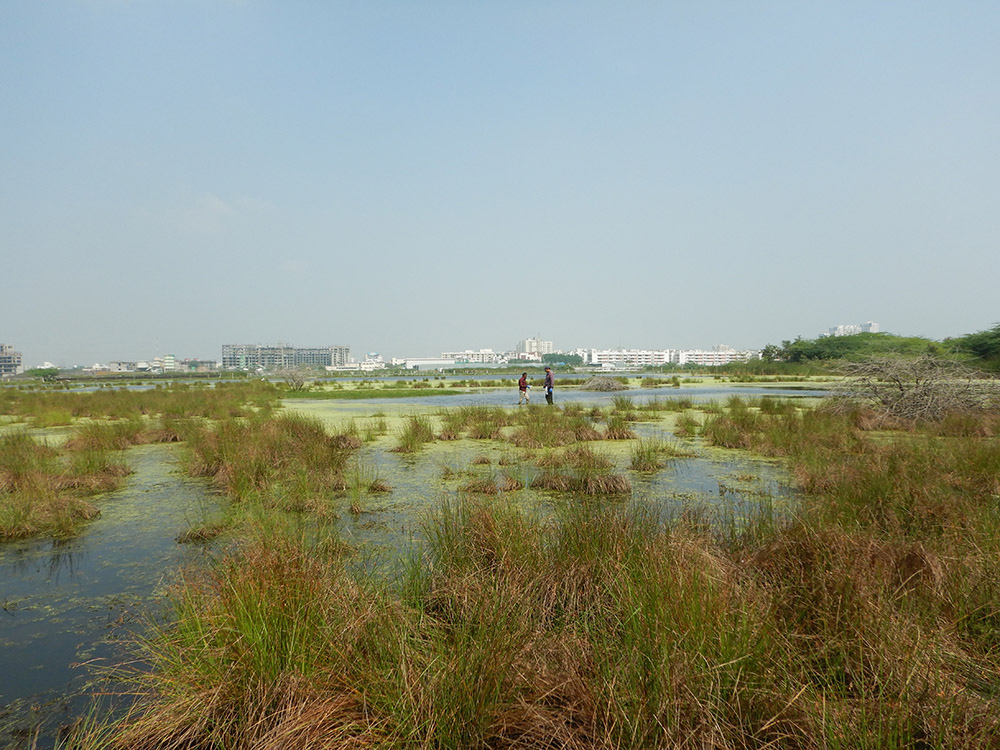
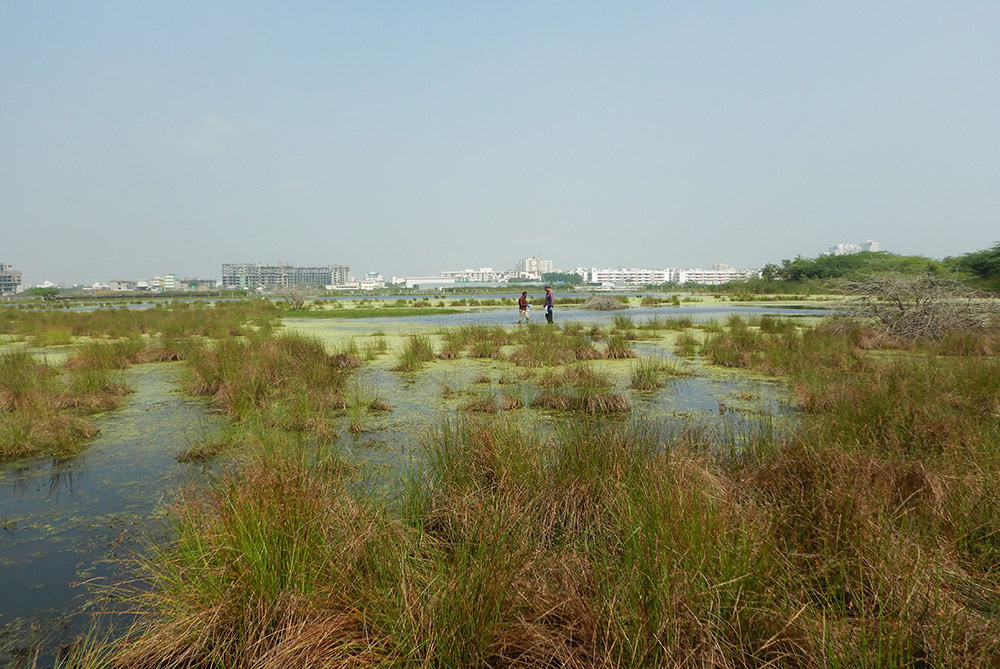
Adopting a phase-wise approach, the study covered several critical sites within the Pallikaranai Marshland, including the Ecopark, Semmanchery, Perumbakkam, and Ambedkar Nagar. Preliminary data reveals that site-wise variations in carbon levels and GHG emissions are prominent, largely driven by spatial heterogeneity and anthropogenic factors.
A comprehensive final report will follow, detailing the spatial and temporal trends of all target parameters. This report will also include strategic recommendations for extrapolating these results to similar coastal settings across the state.