Headquarters
The Energy and Resources Institute (TERI)
Darbari Seth Block, Core 6C,
India Habitat Centre, Lodhi Road,
New Delhi - 110 003, India
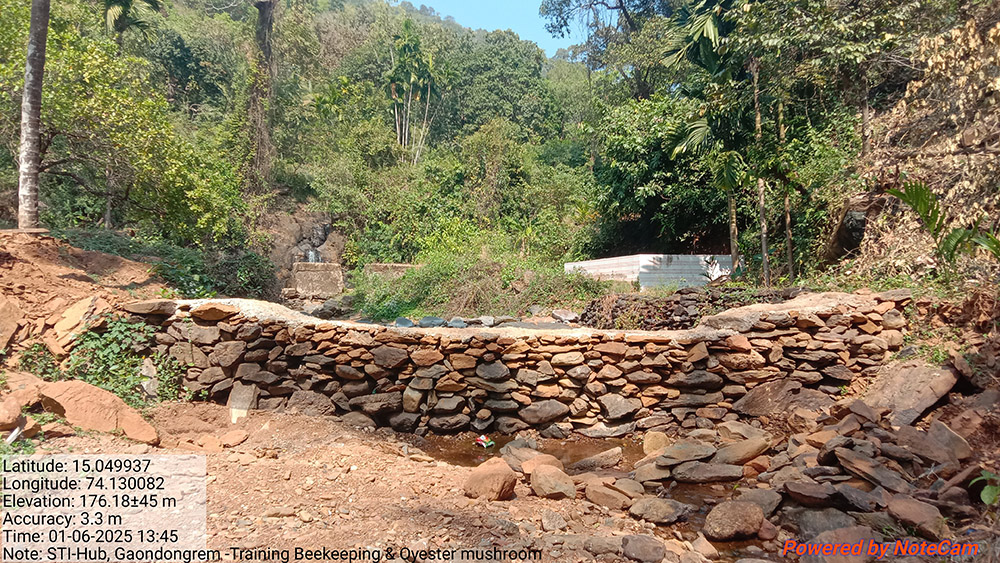
The Watershed Development Component of Pradhan Mantri Krishi Sinchai Yojana (WDC-PMKSY) is a flagship Centrally Sponsored Scheme initiated in 2015-16 to transform India's rainfed and degraded landscapes. In December 2021, the Government of India launched the second phase, WDC-PMKSY 2.0, extending the project period through 2026. This evolved framework shifts focus toward biological measures and integrated ecological restoration. The Energy and Resources Institute (TERI) serves as a critical partner in this mission, acting as both the Technical Support Provider (TSP) and the District Resource Organization (DRO) to ensure the scientific and community-led execution of these watershed interventions.
The primary goal of the project is to enhance the productive potential of degraded lands through integrated watershed management. It aims to strengthen community-based institutions to ensure that livelihoods and environmental benefits remain sustainable long after the project concludes. A central objective is the transition from traditional mechanical engineering treatments to biological measures that favor natural recovery.
Furthermore, the project seeks to diversify the rural economy by promoting Integrated Farming Systems (IFS), which include horticulture, afforestation, fisheries, and sericulture. By focusing on the "Triple E" framework—Ecology, Economy, and Equity—the initiative strives to rejuvenate natural springs and empower Farmer Producer Organizations (FPOs) to bring efficiency to agri-business services.
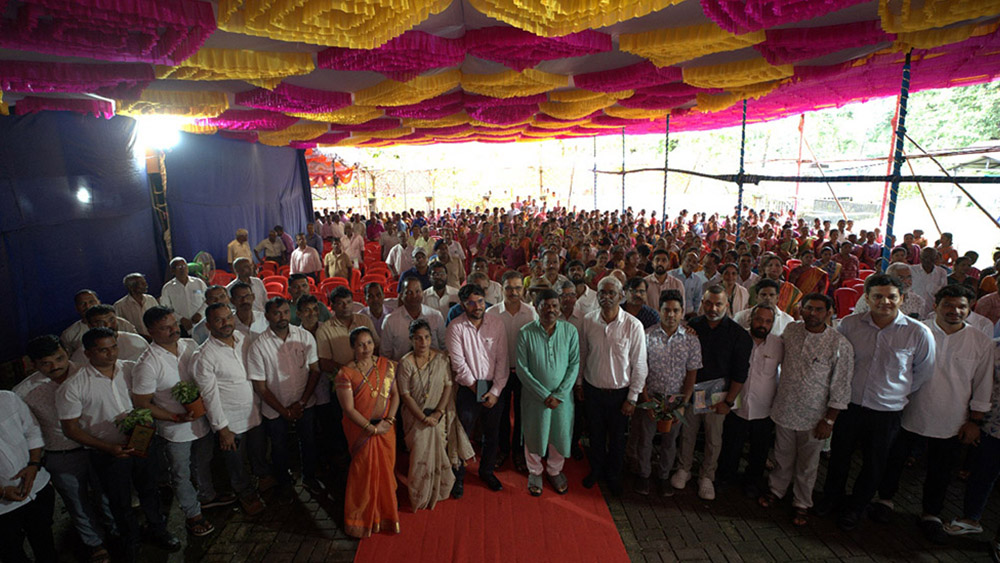
TERI’s implementation strategy relies on a "ridge-to-valley" approach, which ensures that water runoff and soil erosion are managed systematically from the highest points of the terrain down to the low-lying areas. As the Technical Support Provider, TERI facilitated the formal constitution of Watershed Committees through Gram Sabhas and established the necessary administrative infrastructure. This involved the meticulous delineation of watershed maps and the preparation of Detailed Project Reports (DPRs) that outline both physical and financial targets.
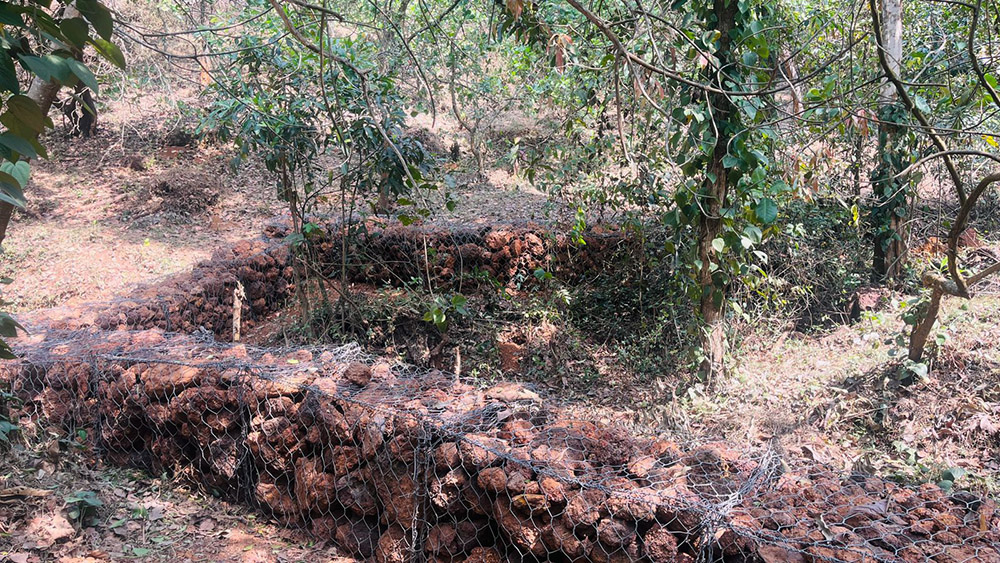
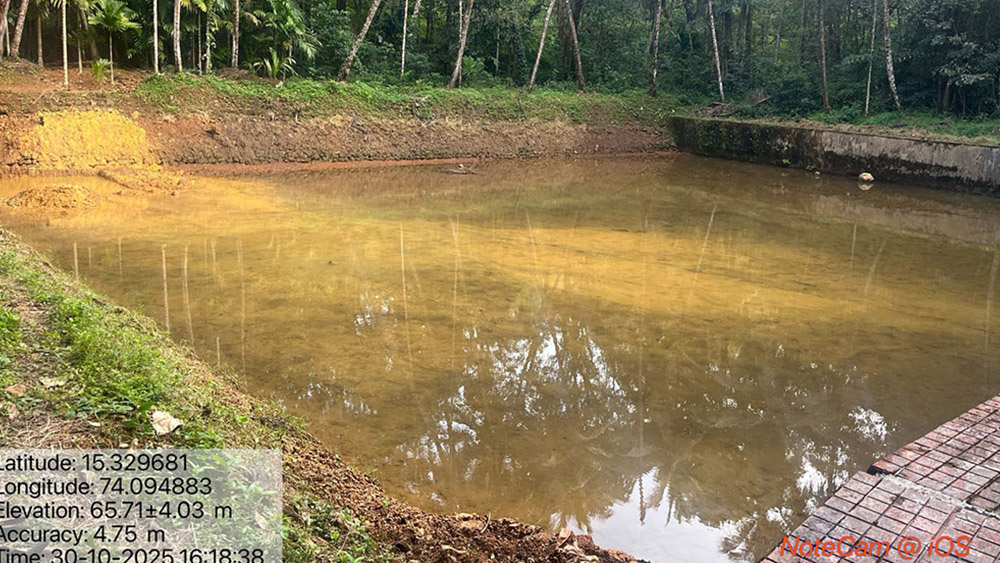
The execution phase prioritized social mobilization, where TERI worked to form and strengthen User Groups (UG) and Self-Help Groups (SHG). The team provided technical expertise for Natural Resource Management (NRM), developing detailed estimates for moisture conservation and water harvesting structures. By combining sustainable, low-cost technologies with traditional local strengths, the implementation process remained flexible and decentralized, allowing for high levels of community ownership.
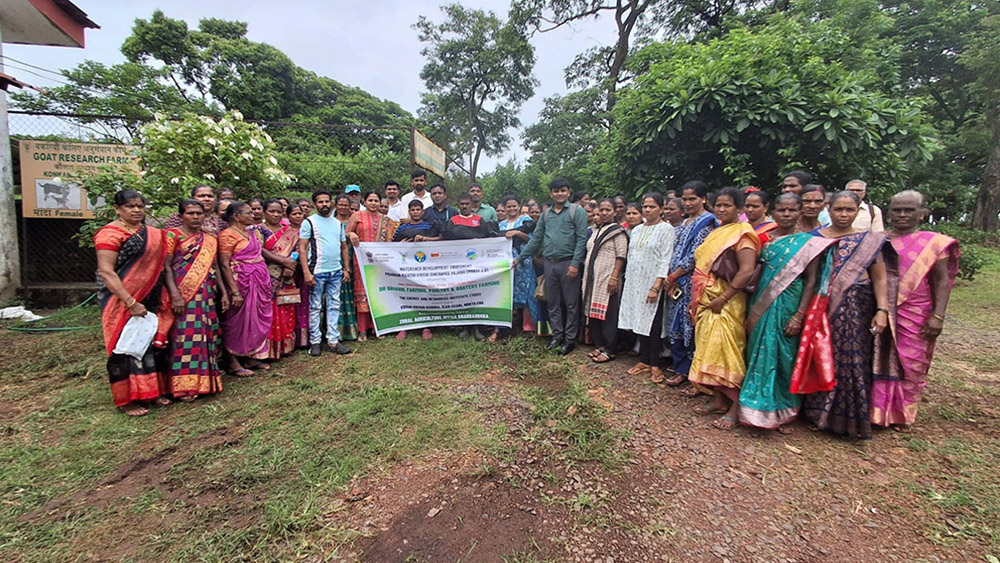
As the District Resource Organization, TERI designed and executed structured training programs specifically tailored for farmers and committee members. These sessions were not limited to technical knowledge; they also covered institutional governance and financial management practices. By providing continuous handholding support and exposure to best practices, TERI ensured that local stakeholders were equipped to manage the projects independently. This focus on human capital ensures that the skill sets for sustainable agriculture and resource management are deeply embedded within the community.
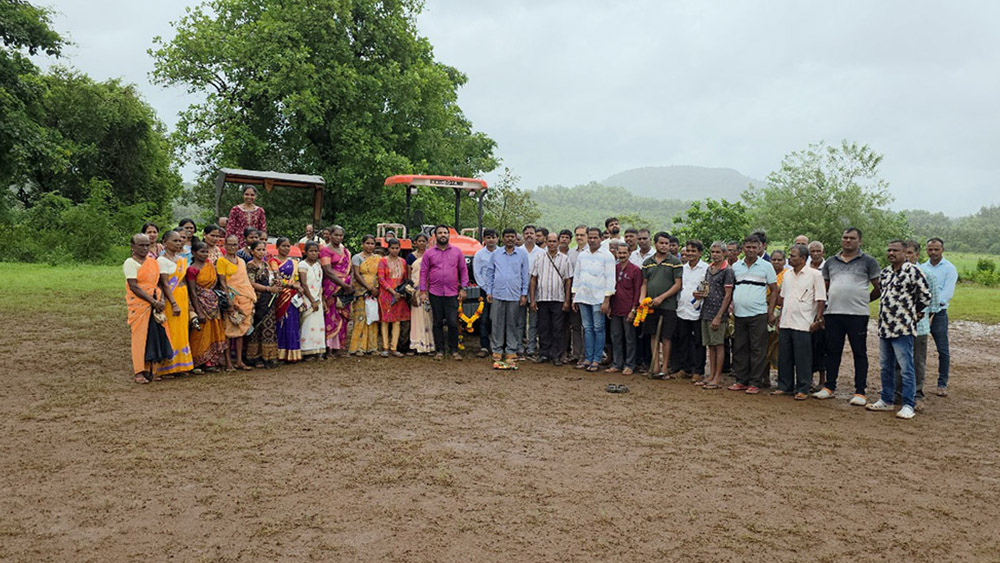
The collaboration under WDC-PMKSY 2.0 has resulted in the successful creation of economically vibrant local institutions that are capable of managing agri-business transactions effectively. Through TERI’s technical and organizational oversight, the project has achieved the timely completion of watershed activities and the seamless handover of assets to the community.
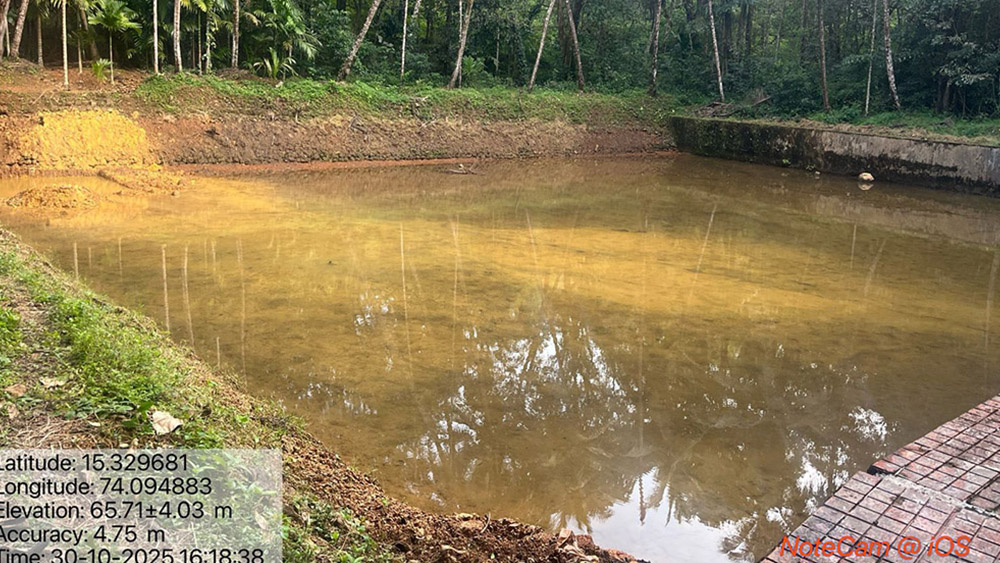
The results manifest in improved soil and water conservation, the rejuvenation of critical springsheds, and a more resilient agricultural economy. By integrating livelihood activities with ecological restoration, the project has established a blueprint for sustainable land management that balances environmental health with the economic empowerment of rural populations.