Headquarters
The Energy and Resources Institute (TERI)
Darbari Seth Block, Core 6C,
India Habitat Centre, Lodhi Road,
New Delhi - 110 003, India
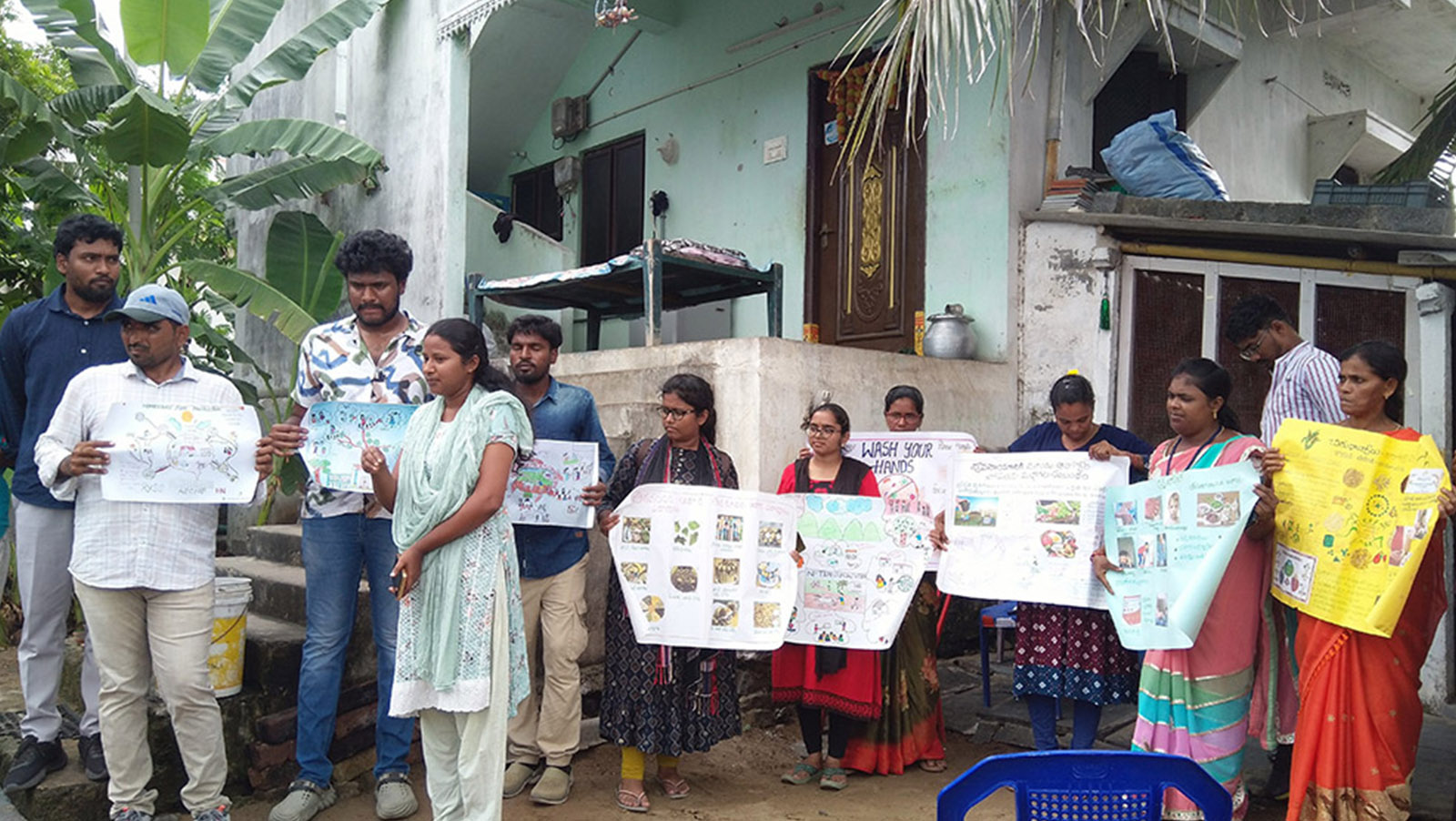
Fifty years after the Green Revolution, India is navigating "second-generation" agricultural challenges. Intensive, inorganic chemical-based farming has led to a decline in crop productivity, deteriorating soil health, and a loss of soil organic carbon. These systems have further resulted in ground and surface water pollution, increased pest incidence, and heightened water stress.
Consequently, small and marginal farmers have fallen into a debt cycle driven by rising input costs, high interest rates, and volatile market prices. This "biologically bankrupt" soil and financial insolvency necessitate a shift toward an ecologically sustainable system that reduces inputs while meeting rising food demands and mitigating the adverse impacts of climate change.
A holistic, systematic approach incorporating ecological balance and regenerative principles is required to achieve long-term food security. This research project focuses on Natural Farming (NF) as a regenerative, eco-friendly alternative.
By utilizing agroecological practices—such as mulching, crop rotation, and microbial inoculants (e.g., Jeevamruth)—NF enhances Soil Organic Matter (SOM) and carbon sequestration. The study specifically centers on the Andhra Pradesh Community Managed Natural Farming (APCNF) model, which introduced the Nutritional Food Basket (NFB) concept to improve household nutrition and reduce market dependency.
To explore these transitions, TERI collaborated with the James Hutton Institute (UK) to secure a research grant from Rythu Sadhikara Samstha (RySS), a government-backed body in Andhra Pradesh.
The grant is processed through the Indo-German Global Academy for Agroecological Research and Learning (IGGAARL), with financial support from Kreditanstalt für Wiederaufbau (KfW), Germany. TERI is proud to be one of eighteen national and international institutions collaborating with RySS under the APCNF program.
The project is being implemented across the Eluru, Palnadu, and Anantapur districts of Andhra Pradesh with the following core objectives: