Headquarters
The Energy and Resources Institute (TERI)
Darbari Seth Block, Core 6C,
India Habitat Centre, Lodhi Road,
New Delhi - 110 003, India
Agriculture sector plays a vital role in the Indian economy, employing nearly half of the country's workforce and contributing significantly to GDP growth. It not only provides food security but also supports various allied industries, such as textiles, food processing, and agrochemicals. Despite challenges like unstable market and climate change, agriculture remains a crucial driver of rural development, poverty alleviation, and overall economic growth.
In the recent past, it has been observed that agriculture has become a losing venture for the farmers. The wild animal invasions in the agricultural fields have increased dramatically in Uttar Pradesh; as a result, farmers suffer significant financial losses. The wild animals often invade the agricultural crops in search of food, especially in the night-time, hence the farmers have to guard their fields day and night, which is very stressful exercise. This inadvertent scenario has put stress on farmers.
Additionally, it has been noticed that many marginalized farmers are unaware of modern agricultural technologies, leading them to primarily engage in mono-cropping. This practice diminishes soil fertility and negatively affects their economic situation. However, if these farmers receive training on the scientific cultivation of medicinal and aromatic plants, it could significantly improve both soil health and their economic conditions.
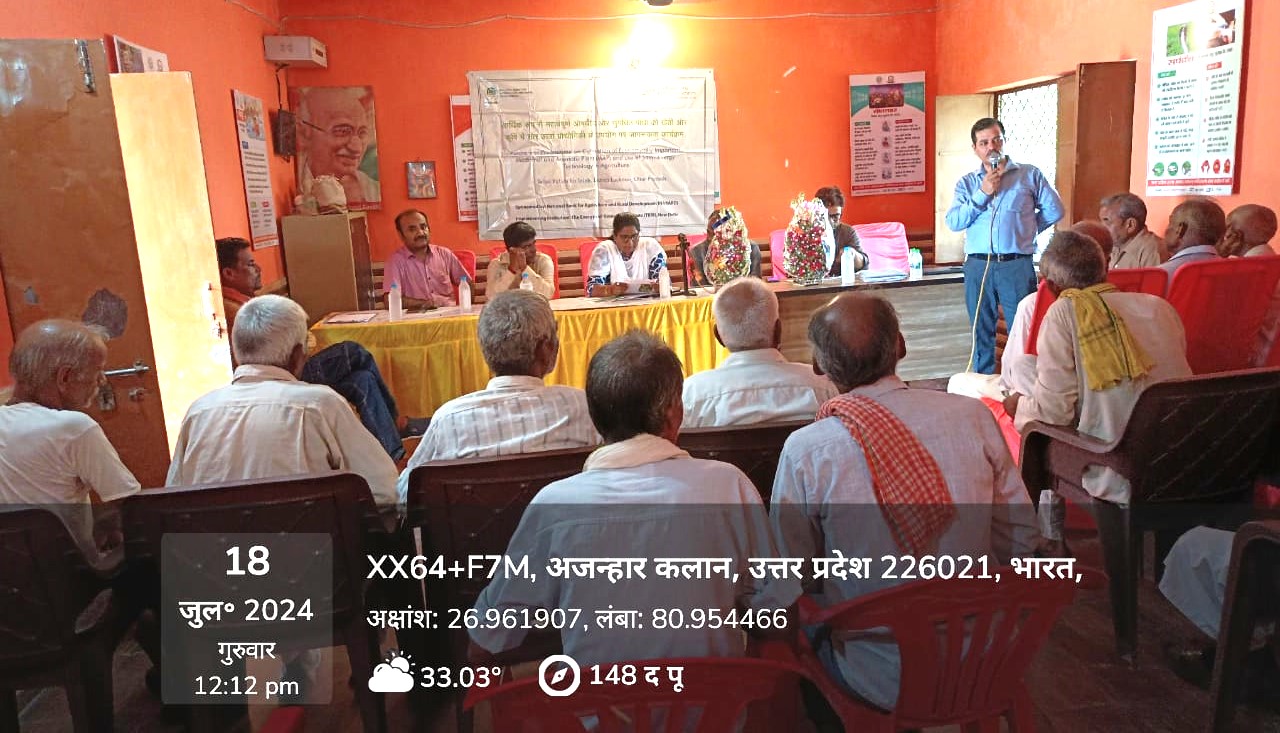
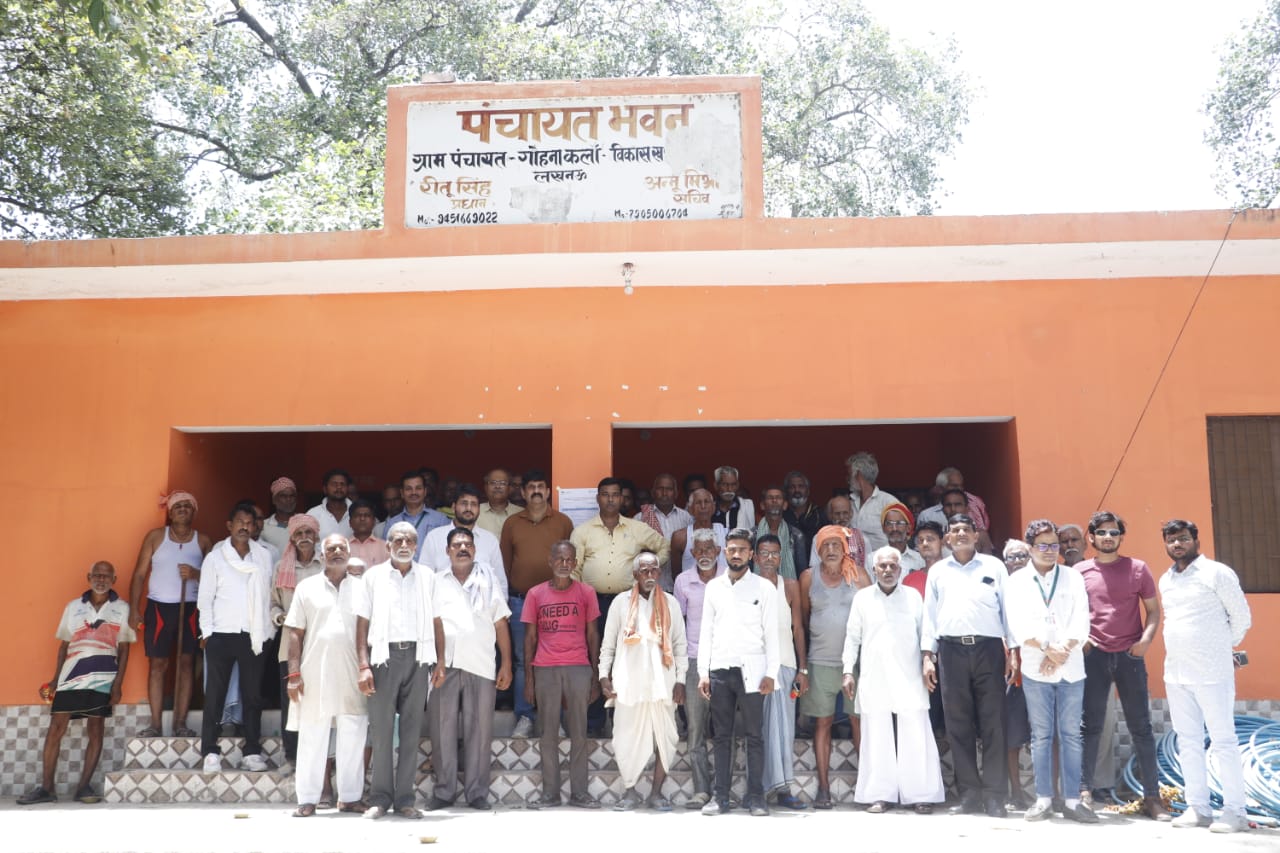
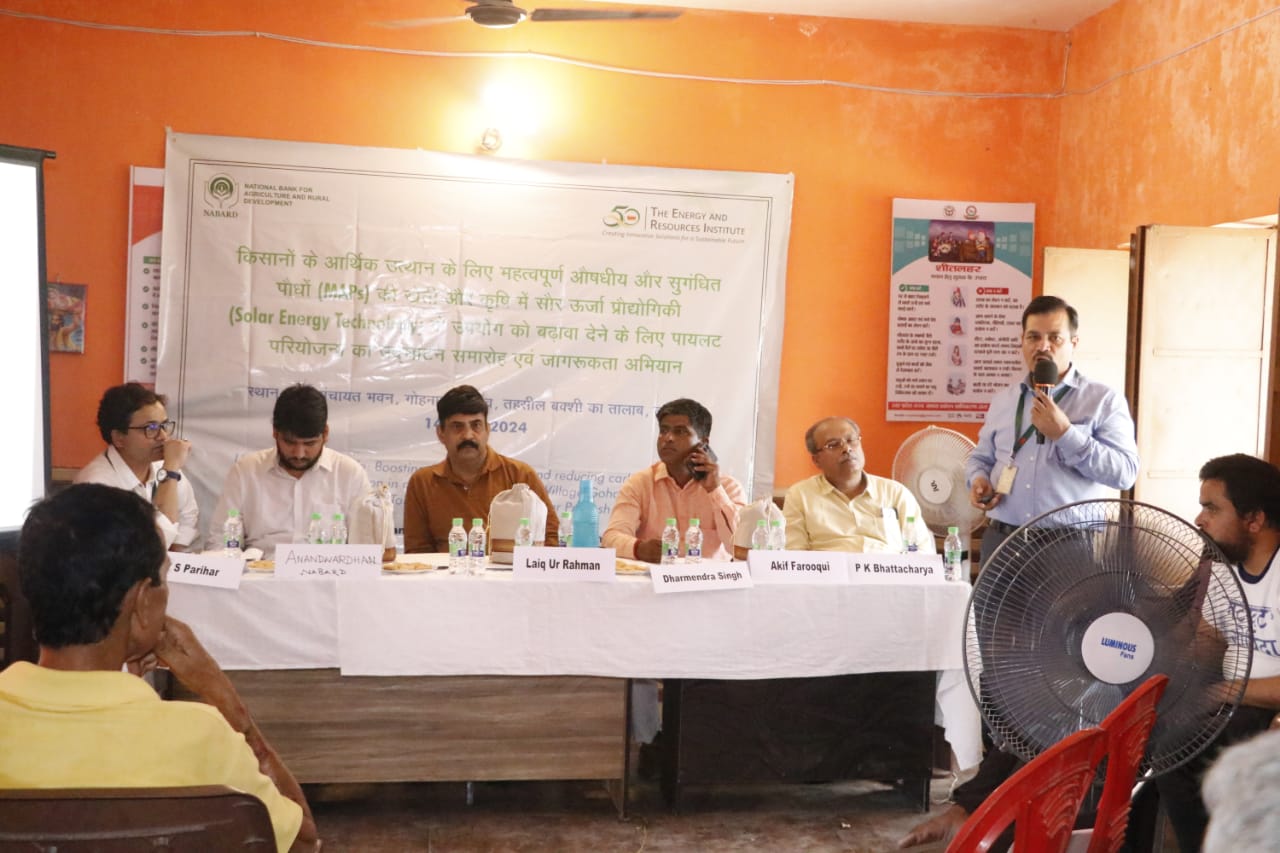
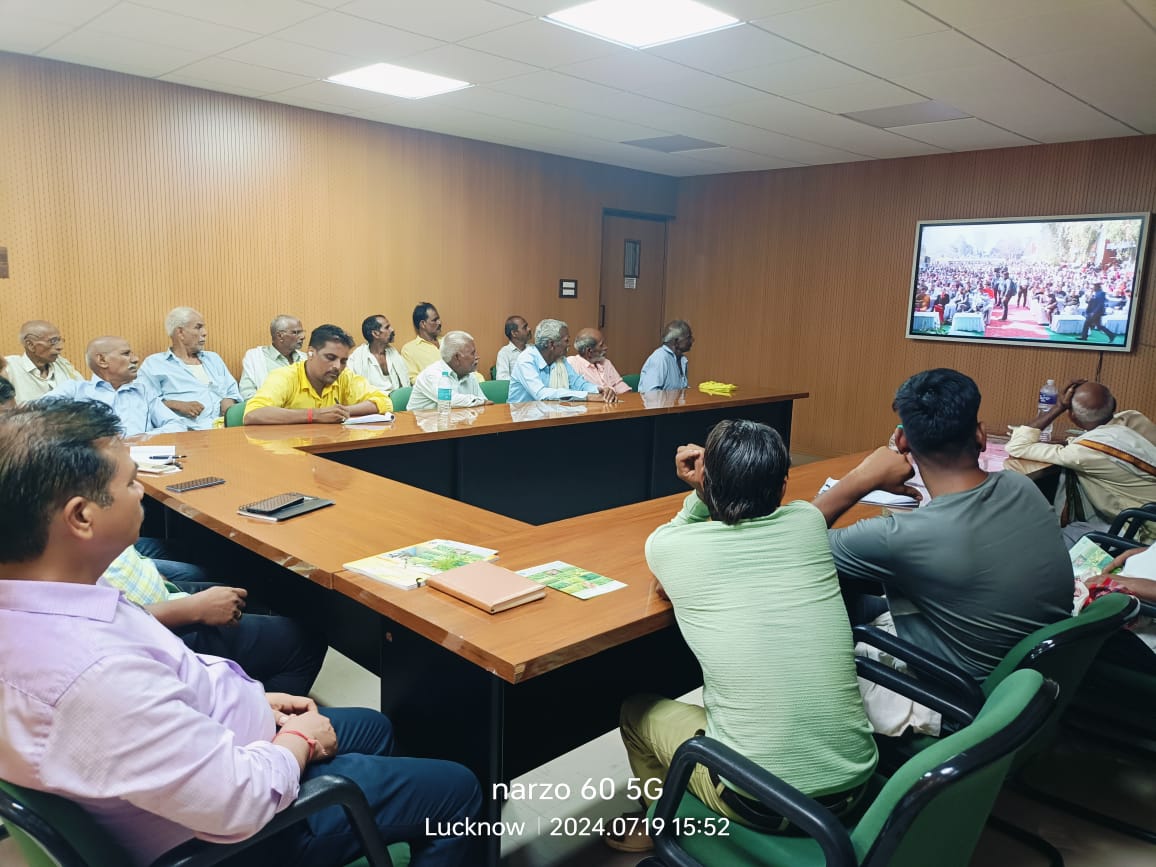
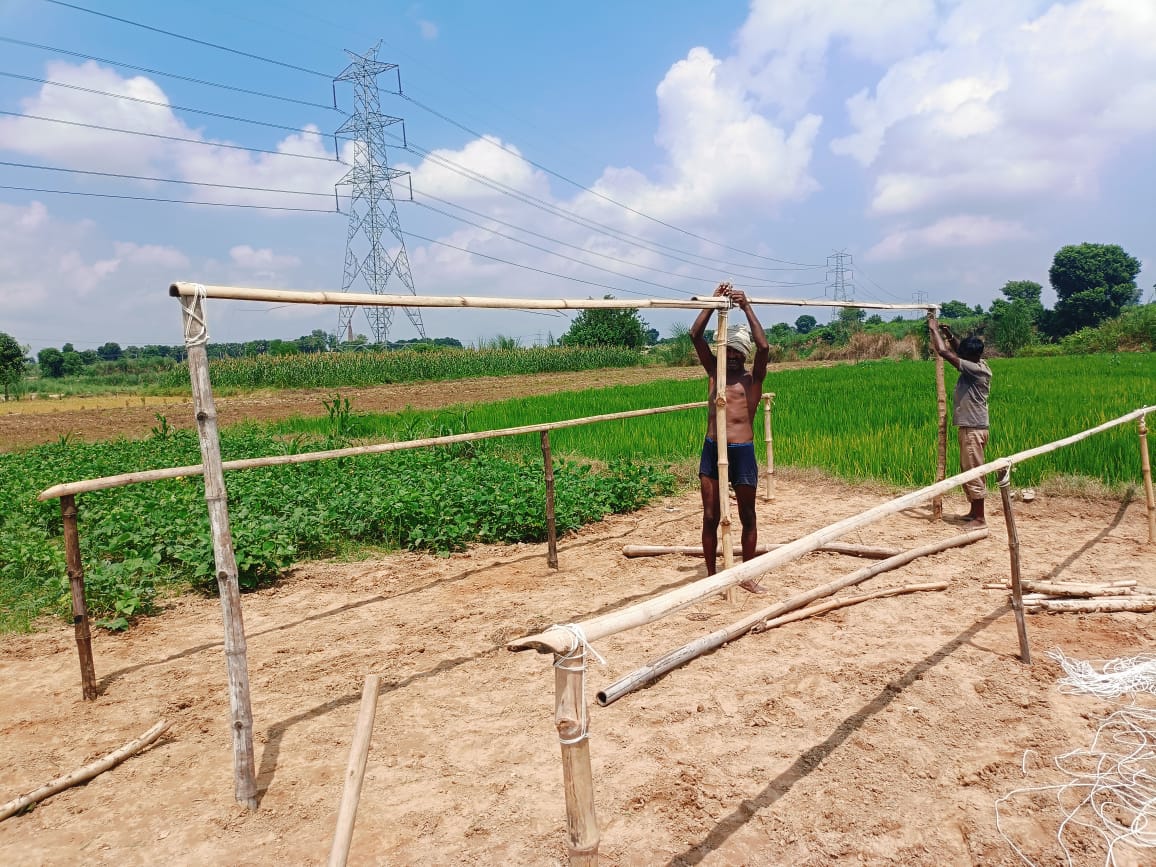
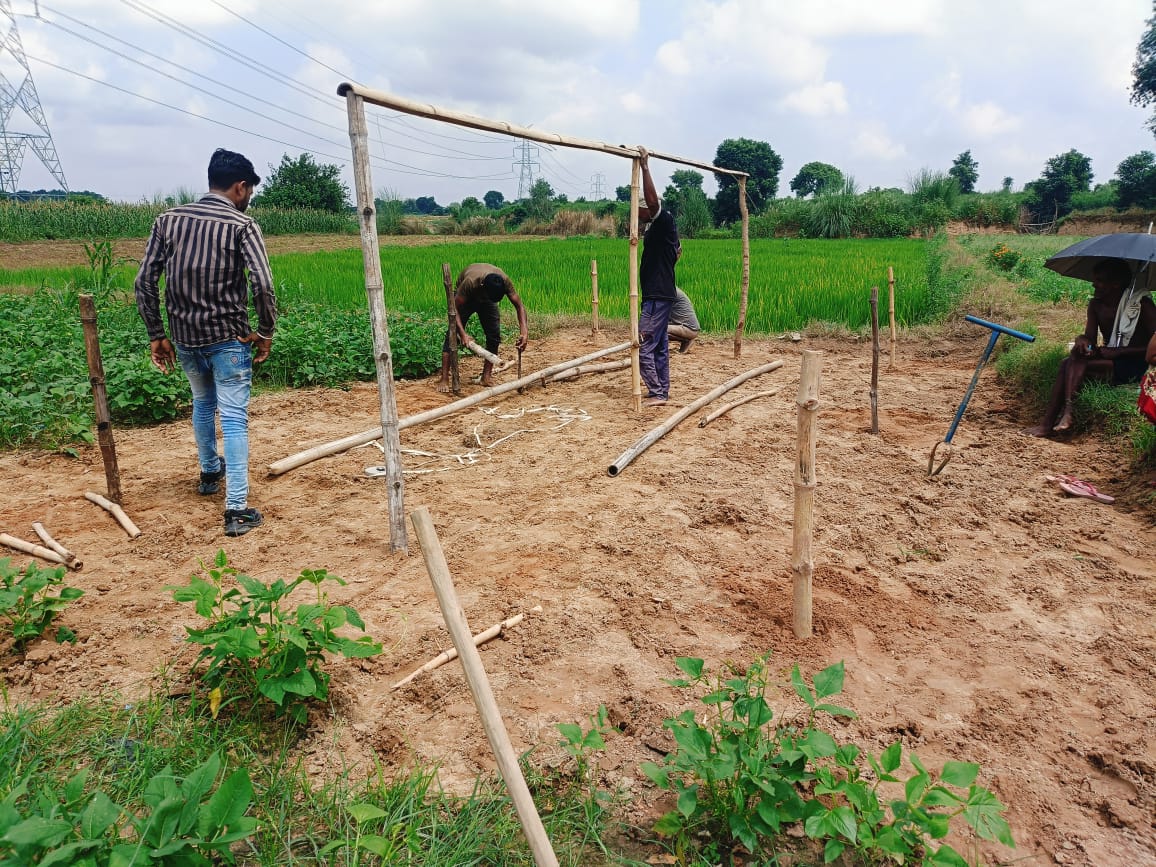
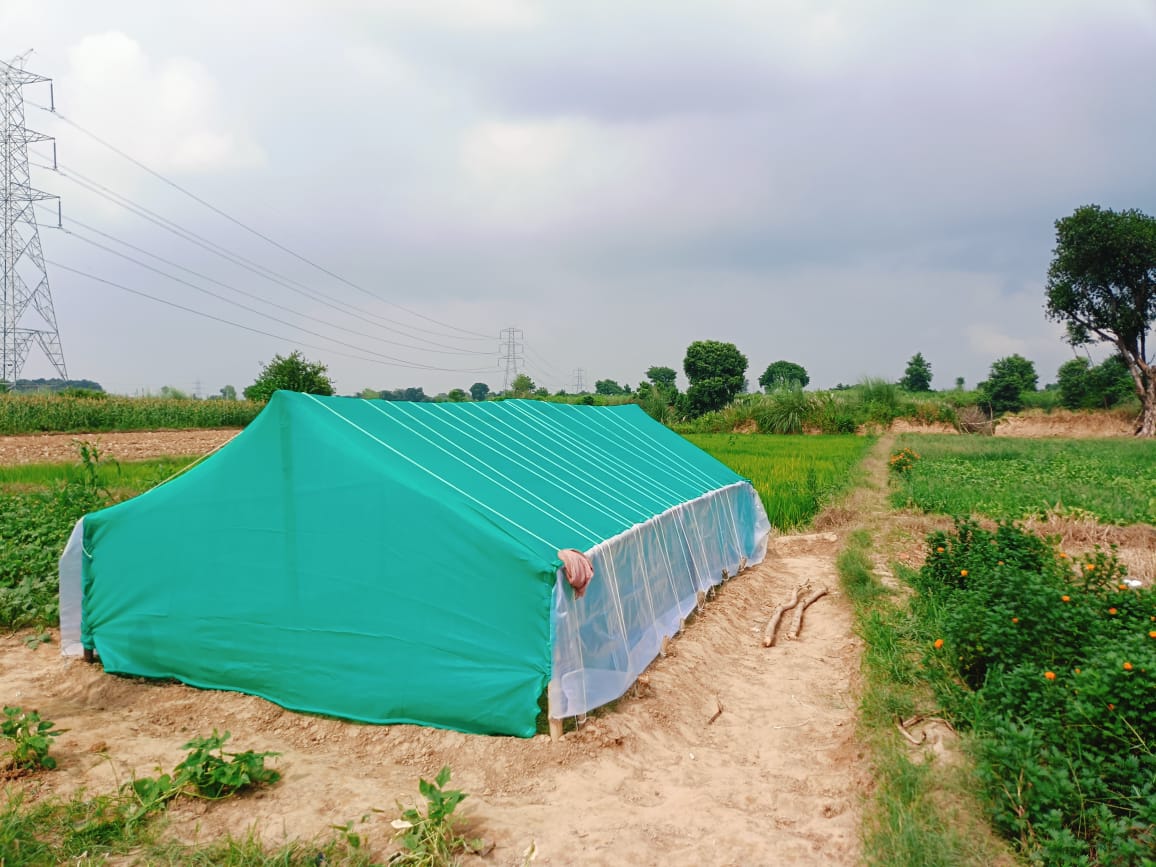
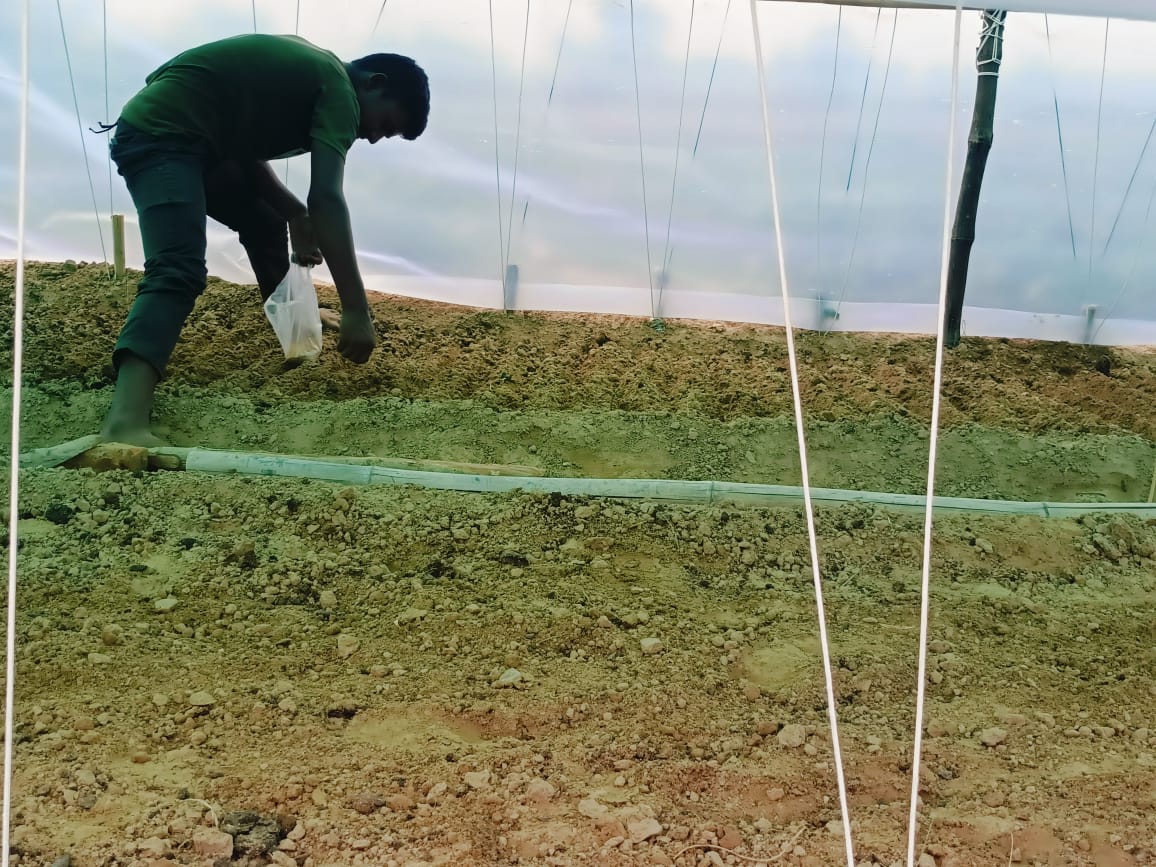
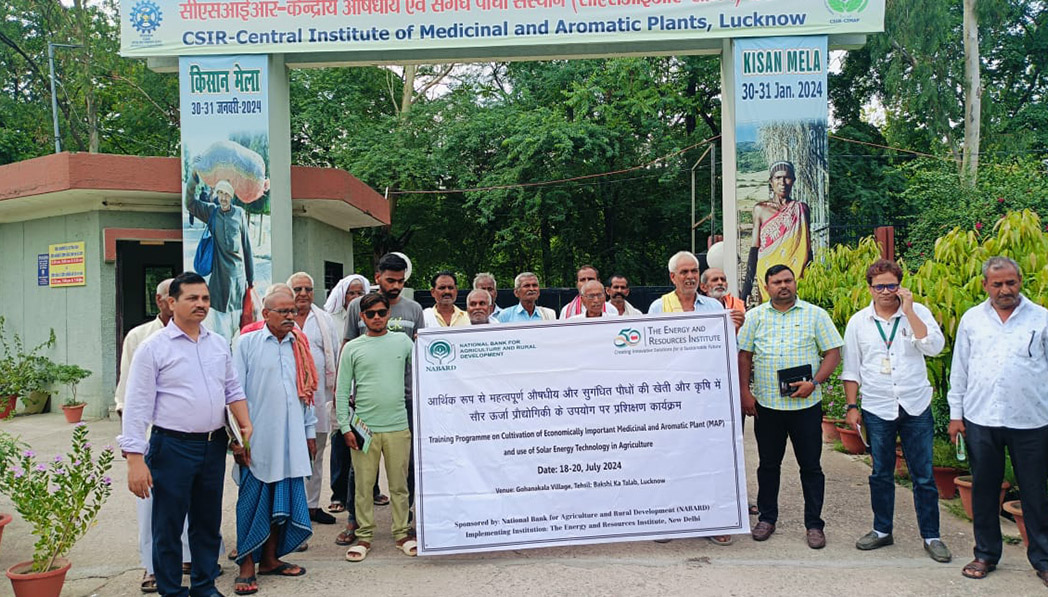
TERI with support from the National Bank for Agriculture and Rural Development (NABARD) implemented a project in Tehsil Bakshi Ka Talab in Lucknow. The objective of this project is to assist small landholding farmers by enhancing their food security, nutrition, and livelihoods, while also alleviating mental and physical stress to promote a more sustainable quality of life. Additionally, the project aims to foster entrepreneurship among local youth in solar technologies and cultivation of medicinal and aromatic plants through awareness and capacity-building initiatives.
The project also seeks to advance national Sustainable Development Goals by addressing poverty (SDG-1), zero hunger (SDG-2), affordable and clean energy (SDG-7), decent work and economic growth (SDG-8), and climate action (SDG-13).