Headquarters
The Energy and Resources Institute (TERI)
Darbari Seth Block, Core 6C,
India Habitat Centre, Lodhi Road,
New Delhi - 110 003, India
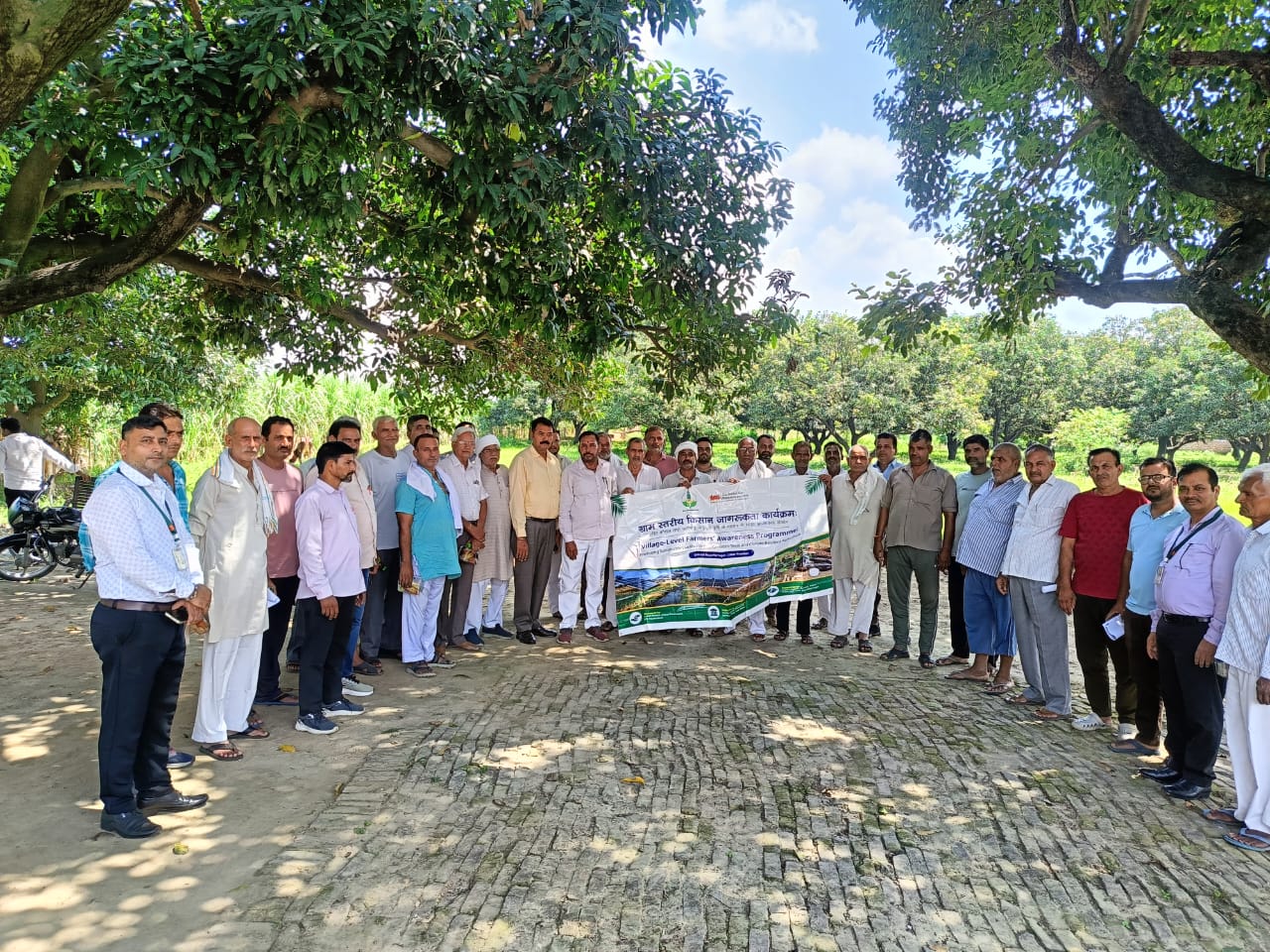
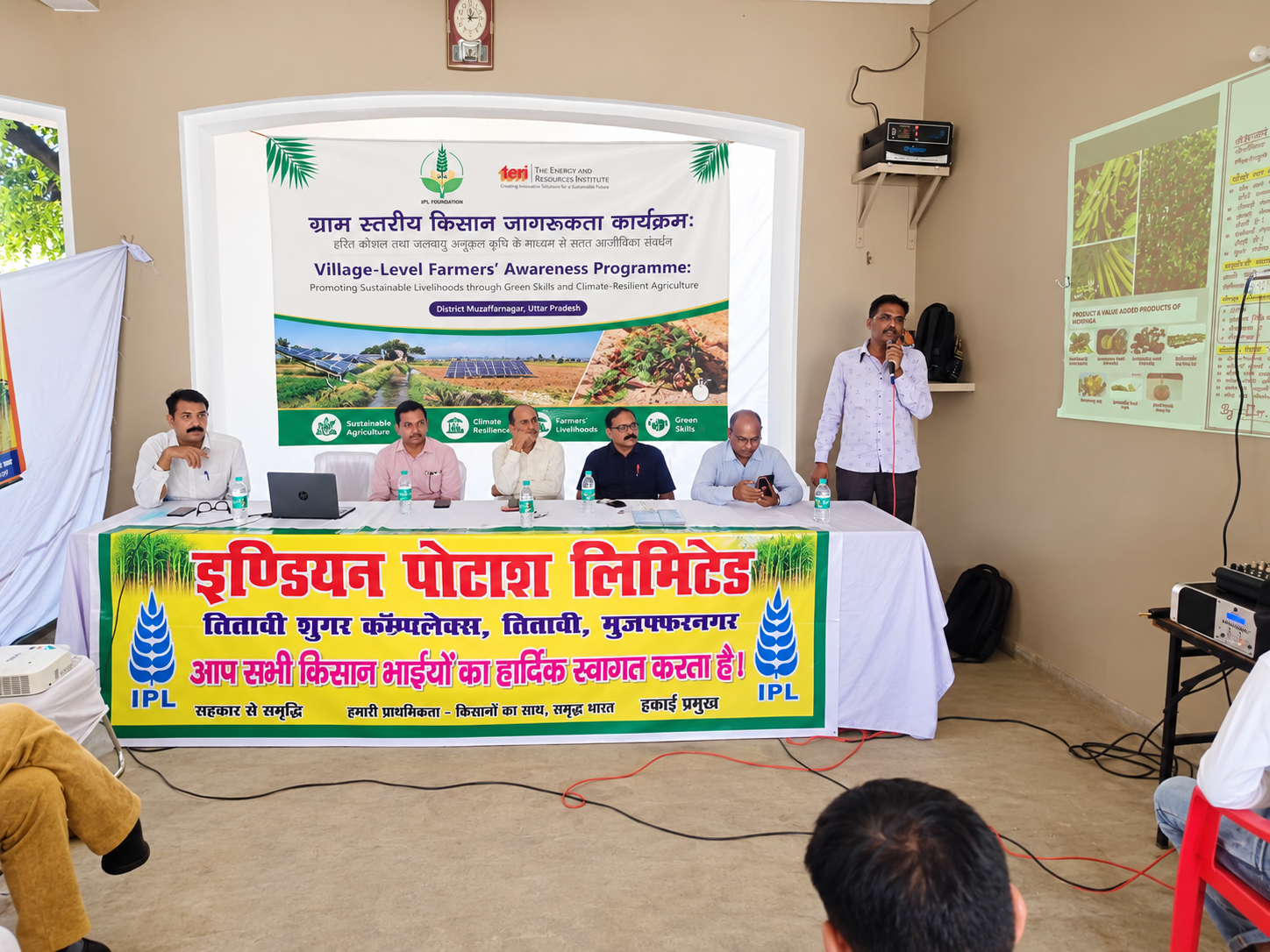
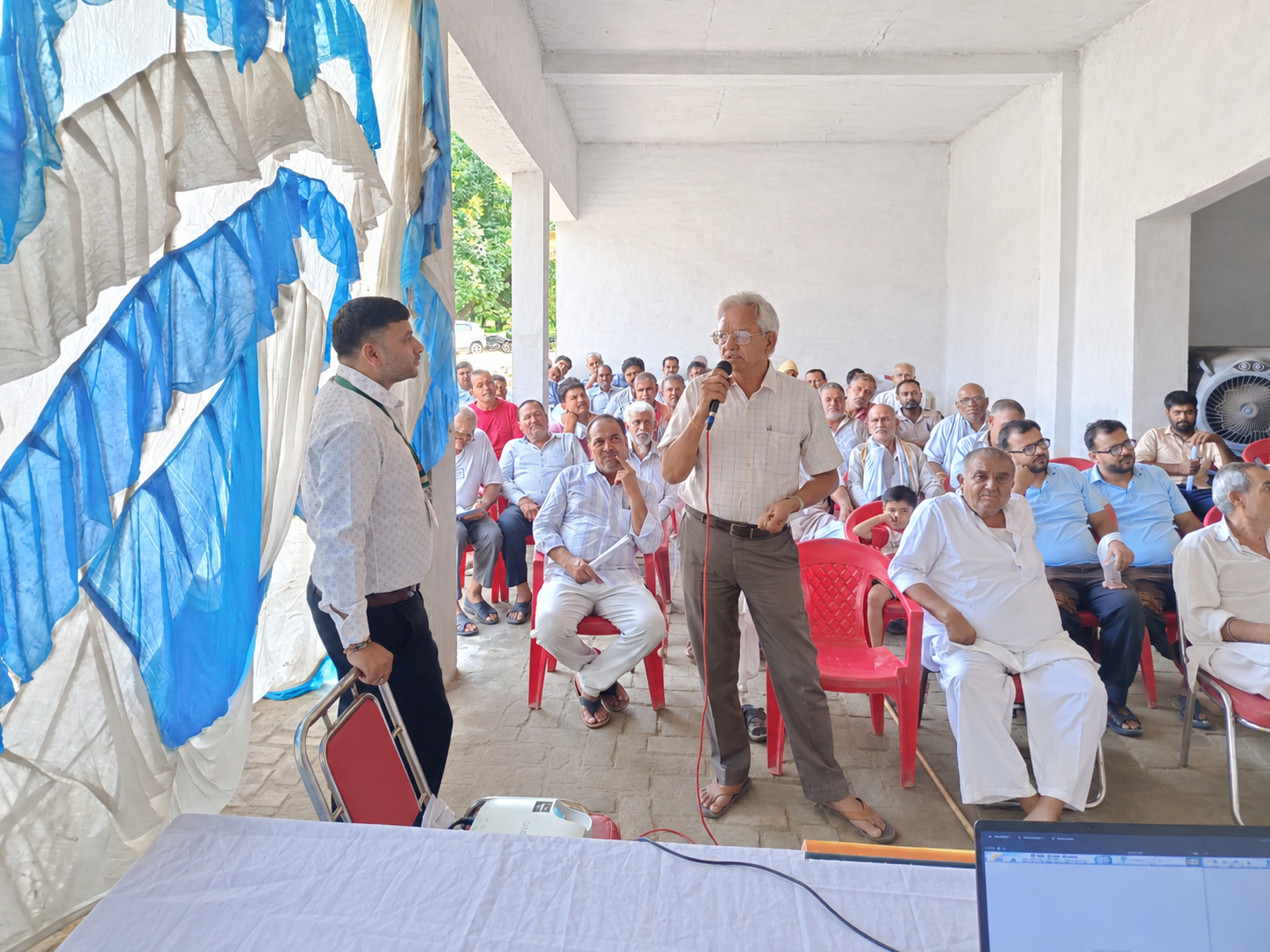
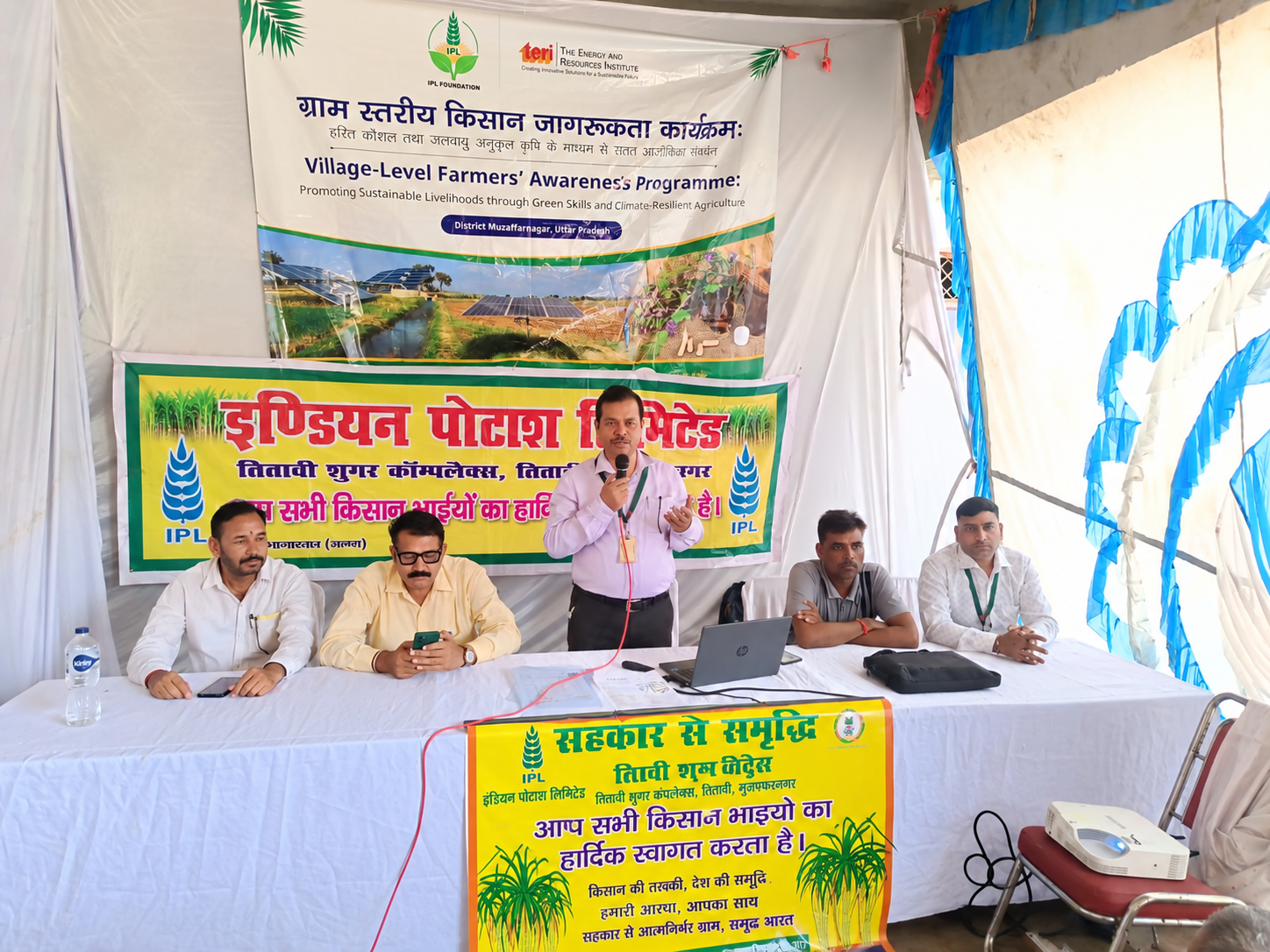
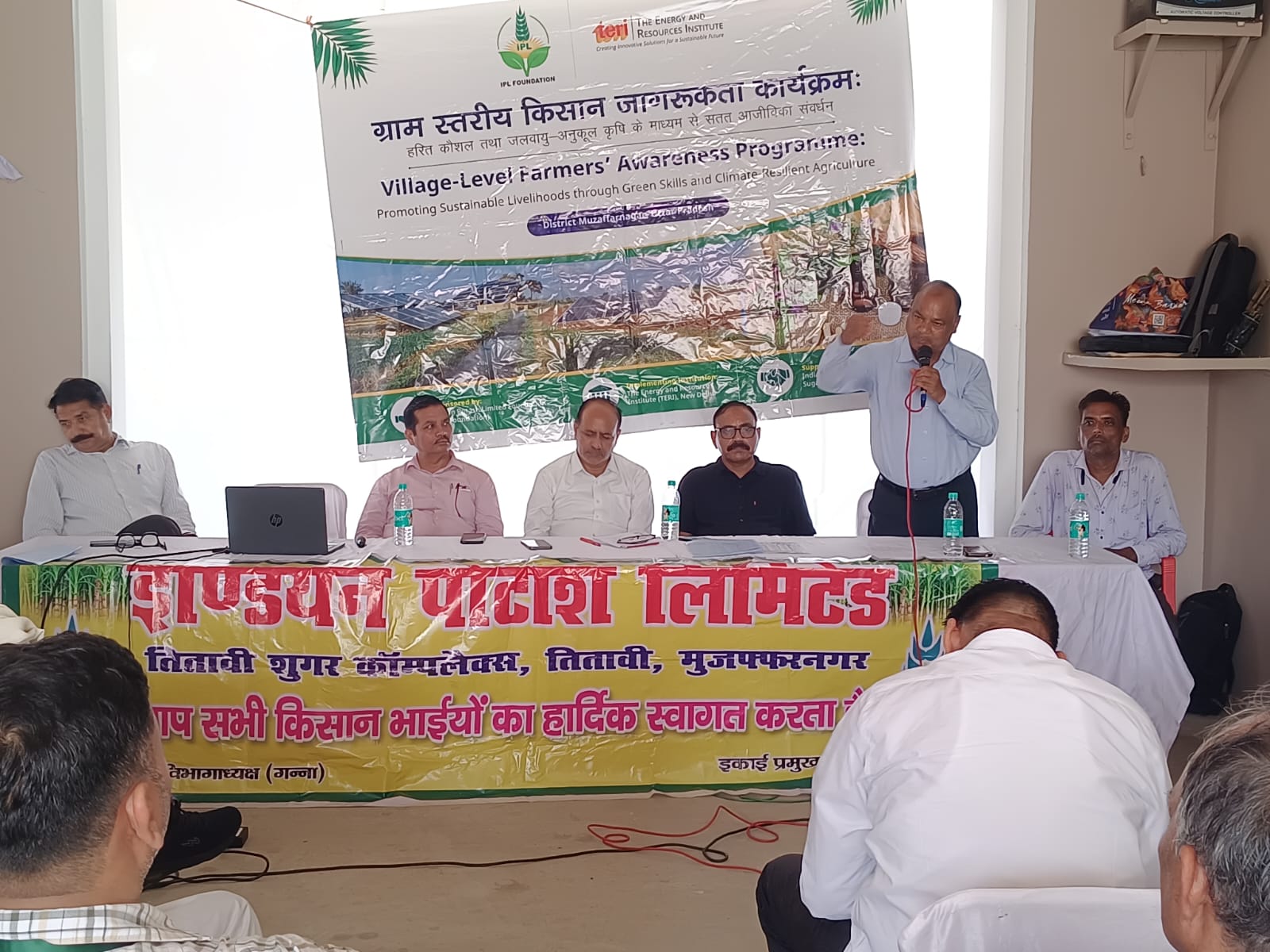
A series of Village-Level Farmers’ Awareness Programmes was successfully organised from 9–11 September 2026 across Nagla Pithora, Gujjar Heri, and Nasirpur villages in Muzaffarnagar, Uttar Pradesh. Organised under the project supported by the Indian Potash Limited Foundation (IPLF), the three-day initiative drew the participation of over 185 farmers.
The outreach focused on promoting sustainable livelihoods, green skills, and climate-resilient agriculture among rural communities. Bringing together technical experts and leadership from IPL Titawi, Swami Kalyan Dev Krishi Vigyan Kendra (KVK), Baghra, and TERI, the sessions delivered actionable guidance on crop diversification, medicinal and aromatic plants (MAPs), market integration, and renewable energy adoption.
Setting the context, Mr V. V. S. Parihar, Associate Fellow, TERI-KRC, provided an overview of the project’s objectives, underlining the role of collective farming, farmer collectivisation, and the formation of Farmer Producer Organisations (FPOs) in strengthening bargaining power, market linkages, and household incomes.
Dr Hansraj Singh, Head & Professor, KVK Baghra, briefed attendees on extension services and technical support available through KVK networks. He emphasised routine soil testing, integrated farming systems, and MAP cultivation as practical pathways for diversification and risk mitigation. Complementing this, Mr Lokendra Singh, Agri-Expert, shared practical insights into pre- and post-harvest management for selected MAP species and their commercial viability.
Addressing financial inclusion, Mr Arvind Singh, Sugar Cane Unit Head, IPL Titawi—joined by Dr Ambresh Kumar from IPL's Pesticide Unit—sensitised farmers to the cooperative banking ecosystem, encouraging them to open accounts with district cooperative banks to streamline access to formal credit and government schemes. Focus then shifted to clean energy, with Mr Navin Kumar, TERI-ST&CSR, explaining solar applications in agriculture, including the benefits and operational modalities of schemes such as PM-KUSUM and PM-Surya Ghar.
The programme concluded with an open interactive session where farmers engaged with the experts on crop selection, cultivation practices, and direct market access. Attendees were also briefed on an upcoming three-day intensive training workshop designed to provide hands-on technical instruction in climate-resilient agriculture, MAP cultivation, and green farming technologies.