Headquarters
The Energy and Resources Institute (TERI)
Darbari Seth Block, Core 6C,
India Habitat Centre, Lodhi Road,
New Delhi - 110 003, India
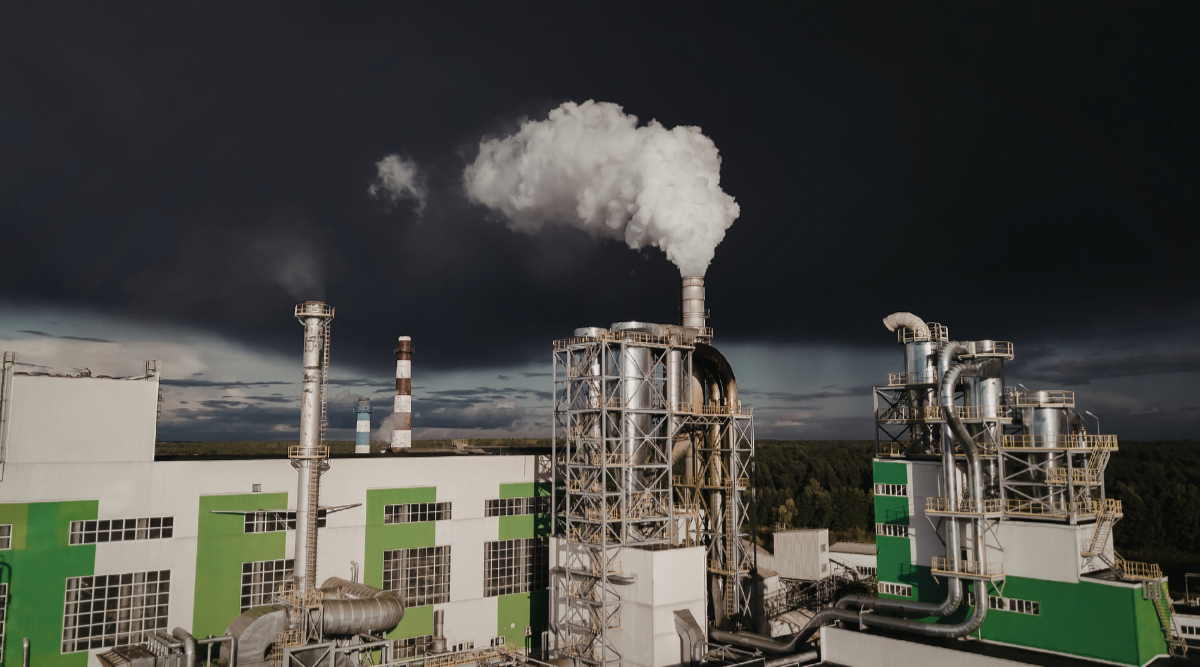
Sustainable industrial growth requires more than just economic investment; it demands a scientific understanding of the environment’s 'carrying capacity.' In dense industrial clusters, where factories, power plants, and transport networks converge, air quality often reaches a breaking point.
Atmospheric Carrying Capacity (ACC) is the maximum amount of air pollution an area can absorb without violating safety standards or damaging public health. To ensure that industrial expansion in Karnataka does not come at the cost of its citizens' well-being, the Karnataka State Pollution Control Board (KSPCB) has commissioned The Energy and Resources Institute (TERI) to conduct a comprehensive assessment of two critical clusters: Peenya and Jigani.
The primary goal of this study is to determine exactly how much "room" these industrial areas have left for emissions and to provide data-driven strategies to stay within those limits. The study focuses on four key pillars:
TERI’s approach combines primary field data with secondary information to create a high-resolution profile of the air environment. By evaluating current emission levels against meteorological factors (like wind speed and mixing height), the study identifies the "exhaustion point" of the local atmosphere.
The findings of this study will provide a blueprint for environmentally responsible industrial planning in Karnataka:
By defining the atmospheric limits of Peenya and Jigani, this study ensures that Karnataka’s industrial powerhouses can continue to grow without compromising the air we breathe. It marks a shift toward a systems-level approach—where economic ambition is balanced by the physical realities of our environment.