Headquarters
The Energy and Resources Institute (TERI)
Darbari Seth Block, Core 6C,
India Habitat Centre, Lodhi Road,
New Delhi - 110 003, India
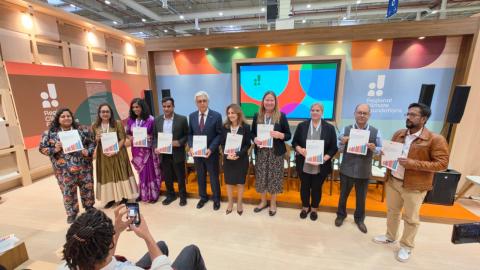
TERI launches research publication on sustainable development indicator frameworks at the Regional Climate Foundations Pavilion in Antalya, bringing together global and South Asian experts to deliberate on the future of the sustainable development agenda.
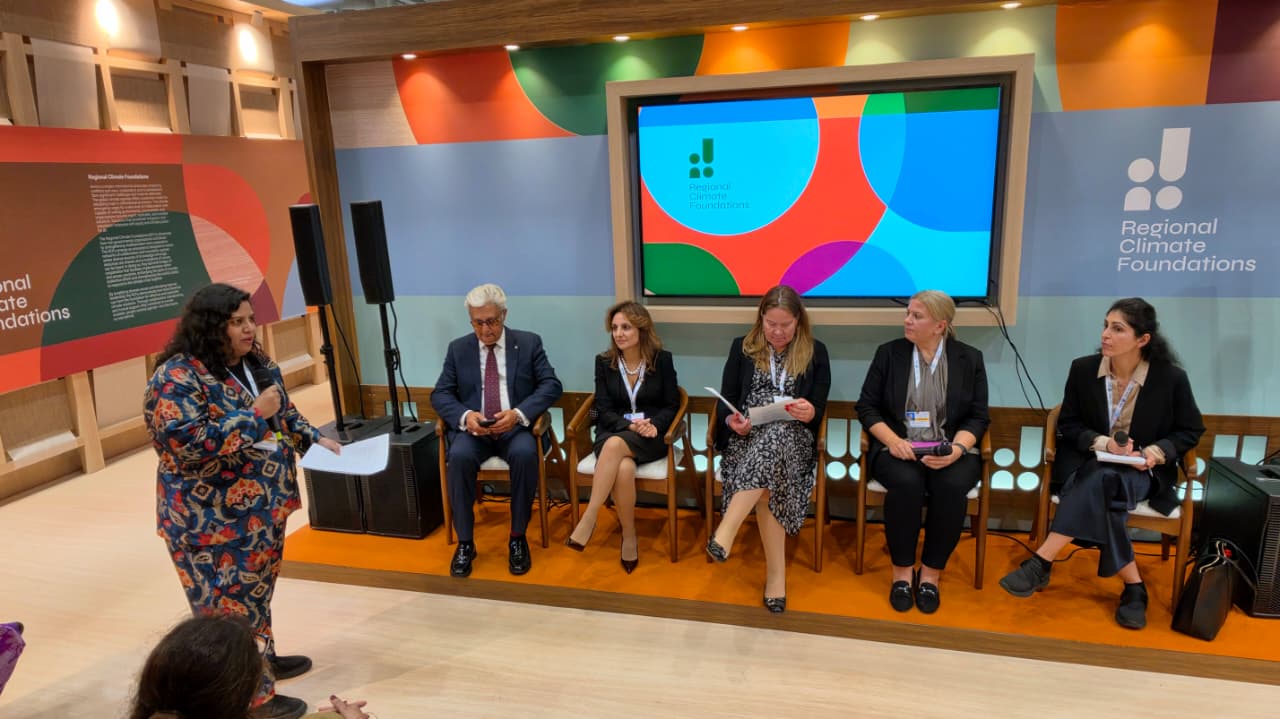
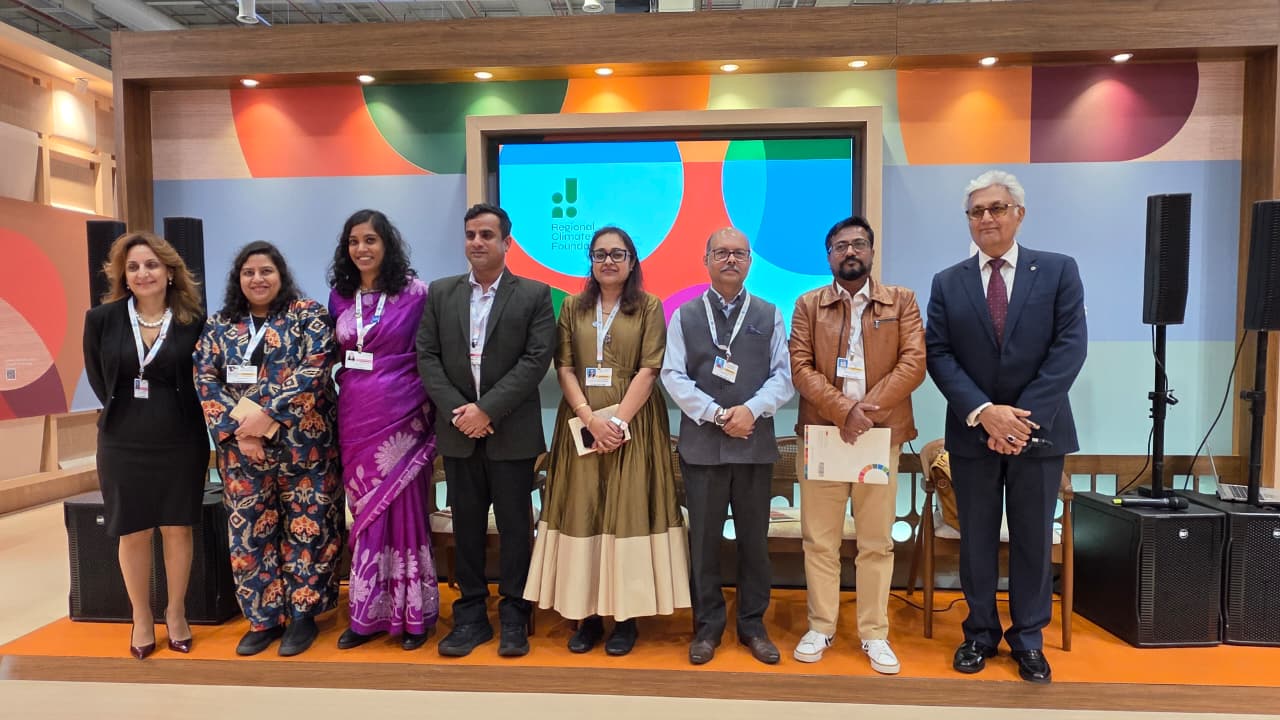
Antalya, 16 November 2026: The Energy and Resources Institute (TERI) brought together leading international experts, policymakers and researchers at the 31st Conference of the Parties (COP31) to the United Nations Framework Convention on Climate Change (UNFCCC) in Antalya, Türkiye, for a high-level discussion on Sustainable Development and Climate Action in Agenda Beyond 2030. Hosted at the Regional Climate Foundations (RCFs) Pavilion, the session explored how the international community can strengthen the synergies between climate action and sustainable development while shaping a more equitable and inclusive framework beyond 2030.
The session, moderated by Dr Shailly Kedia, Senior Fellow and Director, TERI, also witnessed the launch of TERI’s latest research publication, Sustainable Development Indicator Frameworks and Implications for Agenda Beyond 2030, authored by Dr Shailly Kedia, Kumar Rohit and Ishita Srivastava.
With the 2030 deadline approaching, the discussion came at a critical juncture for global sustainable development efforts. Progress towards the Sustainable Development Goals (SDGs) remains significantly off track, with only 12 per cent of 169 targets either on track or achieved, according to the Sustainable Development Goals Report 2026. Against this backdrop, the session examined the priorities, institutional arrangements and implementation mechanisms that could shape the next phase of the global sustainable development agenda.
The newly launched TERI publication makes an important contribution to this emerging discourse by examining how sustainable development indicators translate global commitments into national priorities and local implementation. Drawing on a systematic comparison of six indicator frameworks – the Global Indicator Framework, India’s National Indicator Framework, Rajasthan's State, District and Block Indicator Frameworks, and India's Panchayat Advancement Index – the study analyses how different levels of governance capture progress across five stages of a theory of change: inputs, processes, outputs, outcomes and impacts.
The research highlights the need for a more coherent, theory-of-change-based architecture for future indicator frameworks. It recommends making delivery pathways explicit for every goal, strengthening the links between indicators, budgets and programmes, and reorienting review mechanisms towards diagnosing implementation constraints. Such an approach can strengthen accountability, enable bottom-up evidence, support collective learning and facilitate course correction across governance levels.
“A theory of change approach can support better planning and implementation while also strengthening global processes, including future Voluntary National Reviews of progress towards the Sustainable Development Goals,” said Dr Shailly Kedia, Senior Fellow and Director, TERI.
The deliberations featured two thematic segments, bringing together global perspectives and viewpoints from South Asia.
The global perspectives segment featured Mr Ovais Sarmad, Former Deputy Executive Secretary, UNFCCC and Vice Chair, GHG Protocol Steering Committee; Prof. Phoebe Koundouri, Co-Chair, United Nations Global Sustainable Development Report (GSDR) and Chair, UN SDSN Global Climate Hub; Ms Annika Markovic, Engagement and Impact Director, Stockholm Environment Institute; Ms Nadja Emmanuel, Programme Director and Head of the GIZ Climate Diplomacy Action Programme, Deutsche Gesellschaft für Internationale Zusammenarbeit (GIZ) GmbH; and Ms Bahareh Seyedi, Inter-regional Advisor, United Nations Department of Economic and Social Affairs (UN DESA).
The South Asian perspectives segment brought together Mr Shubhashis Dey, Founder and Council Member, Global South Sustainability Foundation; Dr Debajit Palit, Centre Head, Centre for Climate Change and Energy Transition, Chintan Research Foundation; Dr Ipsita Kumar, Economist, Research and Information System for Developing Countries; and Mr Abhishek Yadav, Deputy Director (South Asia Office), Climate Analytics.
The discussions examined the unfinished SDG agenda, the need to strengthen climate–development synergies, and the importance of addressing persistent gaps in development finance, technology access, data, accountability and implementation. Speakers also deliberated on the institutional and multilateral reforms needed to strengthen global cooperation and ensure greater representation of the Global South in shaping the future sustainable development framework.
Key takeaways from the deliberations
1. The post-2030 agenda should sustain the ambition of the SDGs while strengthening political leadership, multilateral cooperation and accountability to accelerate implementation before and beyond 2030.
2. A theory of change approach should connect indicators with policies, budgets and programmes, enabling countries to identify implementation gaps and strengthen learning through Voluntary National Reviews.
3. The future agenda should integrate sustainable development and climate action, respecting national circumstances and local priorities while advancing equity, Global South participation, and access to finance, technology and capacity building.
Through its engagement at COP31, TERI continues to contribute research-led perspectives to international conversations on climate action, sustainable development and multilateral cooperation. The session provided an important platform to connect global policy discussions with regional experiences and research, while advancing dialogue on a more inclusive, implementation-oriented and accountable sustainable development framework beyond 2030.
The complete report can be accessed here: https://www.teriin.org/event/cop-31-side-event-sustainable-development-and-climate-action-agenda-beyond-2030
To know more about other events, follow TERI@COP31.