Headquarters
The Energy and Resources Institute (TERI)
Darbari Seth Block, Core 6C,
India Habitat Centre, Lodhi Road,
New Delhi - 110 003, India
TERI and the University of Warwick bring together Indian and UK youth to strengthen climate skills, foster innovation, and co-create solutions for a sustainable future
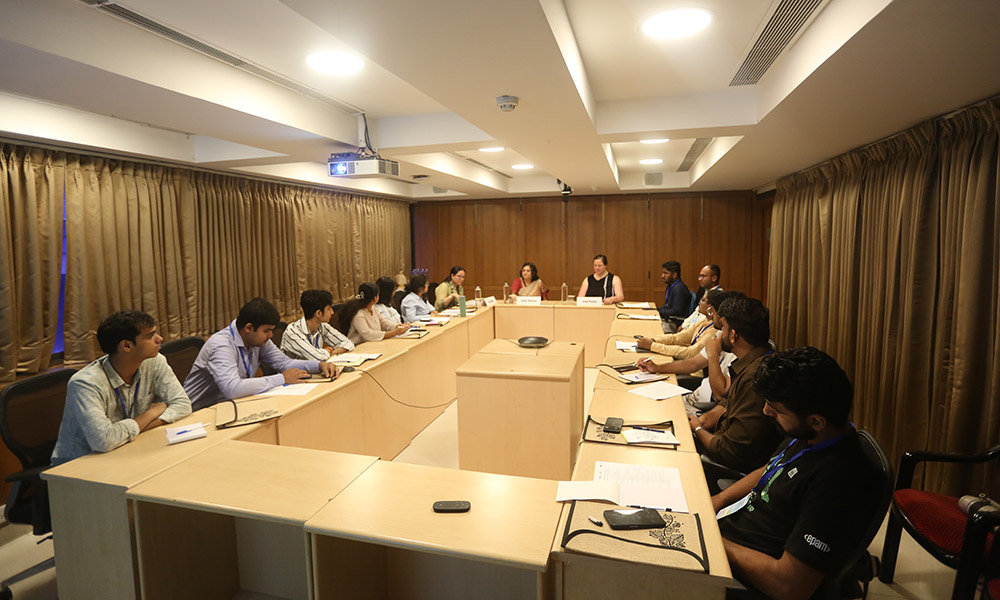
New Delhi | 5 August 2026: The Energy and Resources Institute (TERI), in partnership with the Warwick Manufacturing Group (WMG), University of Warwick, today inaugurated two parallel thematic workshops under Innovate4Environment: A UK–India Youth Skills Programme. Bringing together young participants from India and the United Kingdom, the three-day hybrid workshops on Renewable Energy and Biotechnology, Microbiology & Sustainable Agriculture aim to equip youth with interdisciplinary climate skills, technical knowledge, and innovation capabilities to develop practical solutions for pressing environmental challenges.
Supported under the British Council’s Climate Skills Global Collaboration Grants, the programme seeks to build a new generation of climate leaders through experiential learning, mentorship, international collaboration, and hands-on project development. Participants will work alongside experts from TERI, the University of Warwick, academia, and industry while refining their Social Action Projects (SAPs) into scalable, community-focused solutions.
Speaking at the inaugural session, Dr Vibha Dhawan, Director-General, TERI, highlighted the importance of empowering young people with scientific knowledge and practical skills to address climate challenges through innovation. Dr Dhawan said, “At TERI, we believe that the future of agriculture lies in harmonizing productivity with sustainability. Our work is focused on enabling farmers to adopt climate-resilient, resource-efficient and science-driven practices that strengthen food security while restoring ecosystems. We are now advancing the next generation of agricultural transformation by integrating cutting-edge technologies such as nanotechnology, mycorrhiza, precision agriculture, etc. Nano-enabled inputs have the potential to improve nutrient-use efficiency, reduce chemical footprints and enhance crop performance, making agriculture both economically viable and environmentally responsible.”
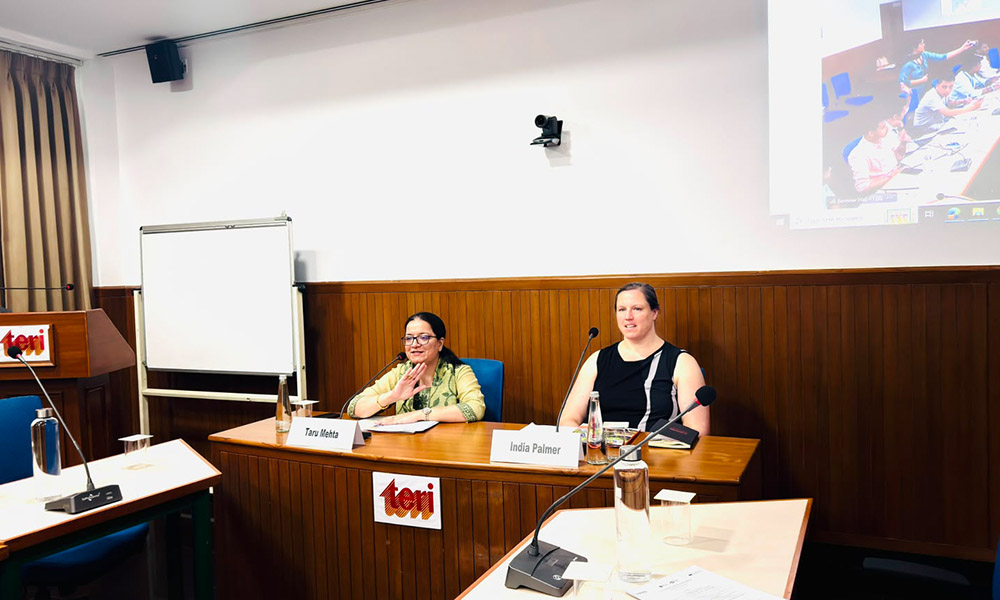
Welcoming the participants, Ms Taru Mehta, Senior Fellow & Associate Director, Environment Education and Awareness (EEA), TERI, highlighted the importance of empowering young people with interdisciplinary climate skills and creating opportunities for them to translate ideas into meaningful action through collaborative learning and innovation. Ms Mehta shared, “Innovate4Environment is rooted in the principles of Education for Sustainable Development. Sustainability education is not simply about understanding environmental issues; it is about developing the competencies to think critically, collaborate across disciplines, innovate responsibly, and make informed decisions that contribute to resilient societies. The interdisciplinary learning modules you will experience during the 3-day programme have been co-developed to integrate these competencies with practical sustainability skills and real-world applications.”
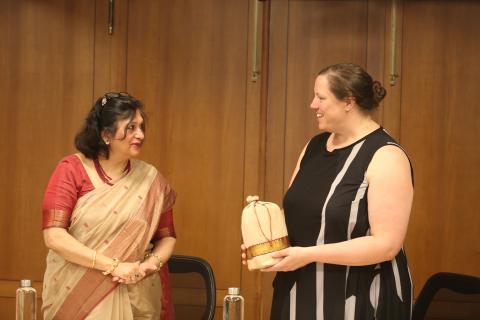
Delivering the special address, Ms India Palmer, Teaching Fellow, Warwick Manufacturing Group (WMG), University of Warwick, emphasized the significance of cross-cultural collaboration in strengthening youth leadership and fostering innovation for sustainability. Ms Palmer highlighted, “Solving the complex sustainability problems of our current and future world needs partnerships and collaboration. The I4E partnership between TERI and Warwick Manufacturing Group, University of Warwick offers an international exchange of ideas to support and empower young people to create sustainable action projects. I hope that this programme will create lasting and impactful collaborations for the participants and institutions involved.”
The Renewable Energy workshop introduced participants to next-generation renewable energy technologies and India’s evolving clean energy landscape. Sessions explored renewable energy pathways in India and the UK, emerging solar and wind technologies, battery storage, green hydrogen, artificial intelligence-enabled energy systems, and digital innovations shaping the future of sustainable infrastructure. Interactive activities encouraged participants to refine their project ideas while learning from TERI researchers and industry experts. Running concurrently, the Biotechnology, Microbiology & Sustainable Agriculture workshop focused on the role of biotechnology in advancing environmental sustainability and circular economy solutions. Participants engaged in expert-led sessions on environmental biotechnology, microbial technologies for waste management and bioremediation, biochar applications, water quality monitoring, and aquatic ecosystem health, while collaborative exercises enabled them to strengthen their project concepts through peer learning.
Over the next two days, participants will gain first-hand exposure to TERI’s research and demonstration facilities through immersive field visits and technical interactions. Participants will visit TERI Retreat, the Renewable Energy Technologies Division, the Mahindra–TERI Centre of Excellence for Sustainable Habitats, the DBT–TERI Centre of Excellence, the International Solar Alliance (ISA), and the National Institute of Solar Energy (NISE), where they will explore renewable energy technologies and sustainable infrastructure in practice. Participants in the Biotechnology workshop will visit TERI Gram’s research facilities, including the Fermentation Technology Research Centre, the Micropropagation Technology Park, and the TERI–Deakin Nano-Biotechnology Centre, before participating in technical sessions on soil microbiomes, regenerative agriculture, climate-resilient crops, biotechnology applications, and food security.
The workshops will conclude on 7 August with sessions dedicated to innovation, entrepreneurship, project management, communication, and the refinement of participants’ Social Action Projects. Young innovators will present their ideas before mentors and experts, receiving feedback to strengthen solutions that can create measurable environmental and community impact.
Innovate4Environment builds on the success of the Climate Skills – Seeds for a Transition initiative and will engage 130 young participants (100 from India and 30 from the UK) through interdisciplinary learning, technical mentorship, prototype development, and international collaboration. The programme is designed to nurture green skills, entrepreneurial capabilities, and scientific thinking while empowering youth to become changemakers in climate action and sustainable development.