Headquarters
The Energy and Resources Institute (TERI)
Darbari Seth Block, Core 6C,
India Habitat Centre, Lodhi Road,
New Delhi - 110 003, India
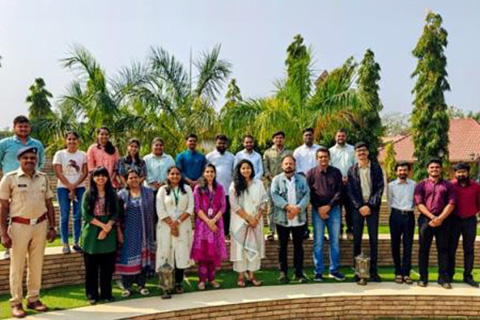
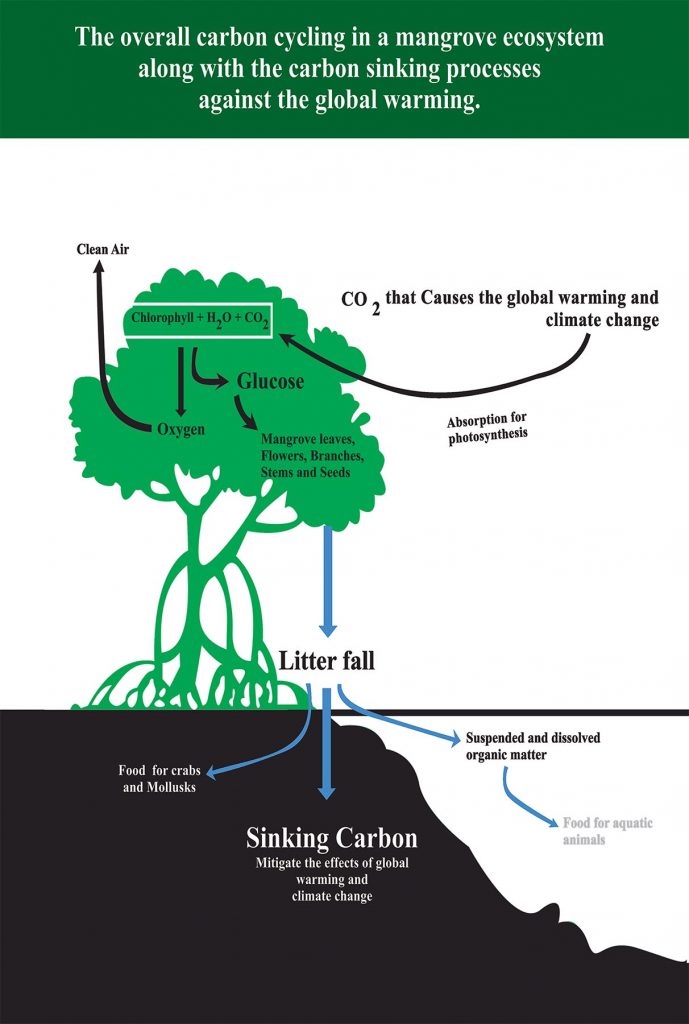
In February 2026, TERI successfully delivered a six-day residential Capacity Building and Training Programme for officials and frontline staff of the Mangrove Cell, Palghar Forest Department, demonstrating TERI's end-to-end capability from programme design to field implementation. The training aimed to assist professionals from the Mangrove Foundation in mastering mangrove ecosystem carbon inventory methods to assess the contribution of these ecosystems to atmospheric carbon sequestration.
The curriculum focused on enhancing participants' understanding of mangrove carbon dynamics and developing the competencies required for climate finance interventions. Technical sessions explored the potential for carbon finance projects within mangrove ecosystems, methodological approaches for stock estimation, and the integration of GIS and GPS tools for precise field assessments.
Detailed discussions covered the essential components of comprehensive carbon accounting, including:
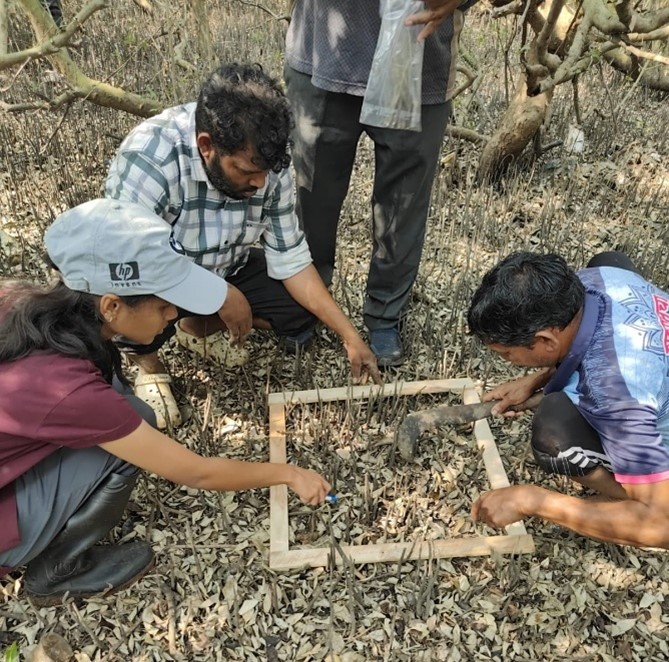
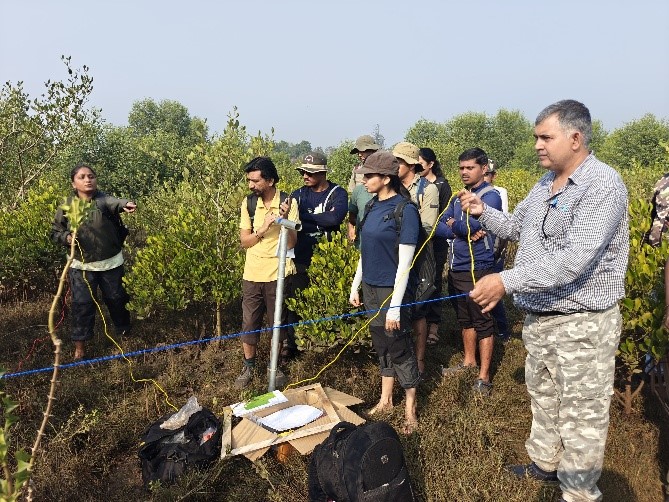
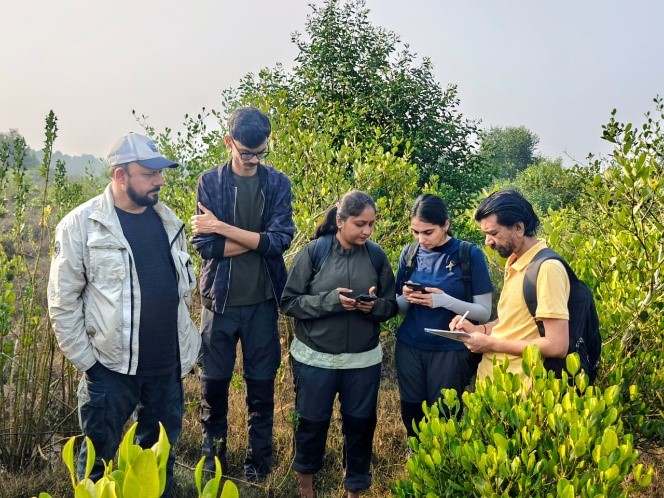
Field-Based Learning and Application From Day 2 through Day 6, the programme transitioned to intensive field-based training. Participants, organized into working groups, conducted data collection under the guidance of TERI experts. These exercises provided practical exposure to standardized sampling protocols and the use of scientific instruments. This hands-on approach is instrumental in identifying the carbon stock potential of Dahanu’s mangroves, directly supporting future conservation planning and climate mitigation strategies.