Headquarters
The Energy and Resources Institute (TERI)
Darbari Seth Block, Core 6C,
India Habitat Centre, Lodhi Road,
New Delhi - 110 003, India
The Energy and Resources Institute (TERI), in partnership with Artha Global, convened a National Workshop on Clean Air Zones (CAZ) to share technical insights, implementation experiences, and financing pathways for improving urban air quality through corridor-focused interventions. The workshop presented ongoing CAZ pilot work in Vijayawada and Visakhapatnam and discussed how such approaches can support cleaner and more livable urban streets.
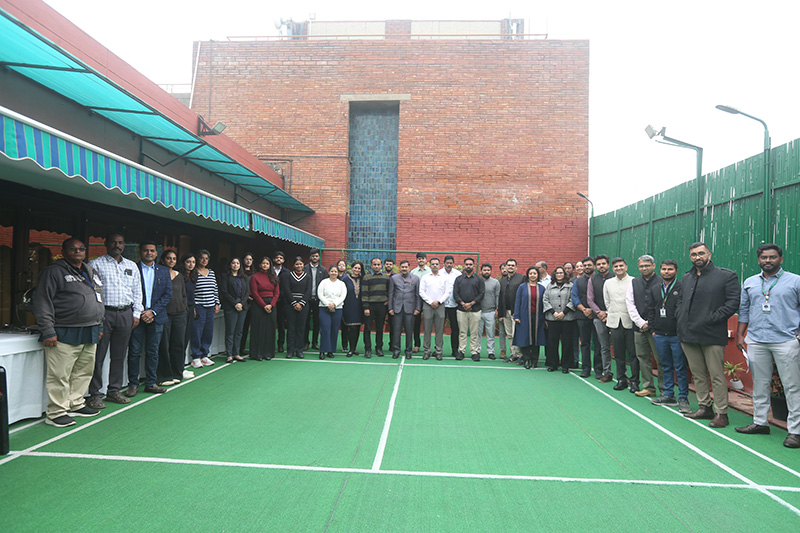
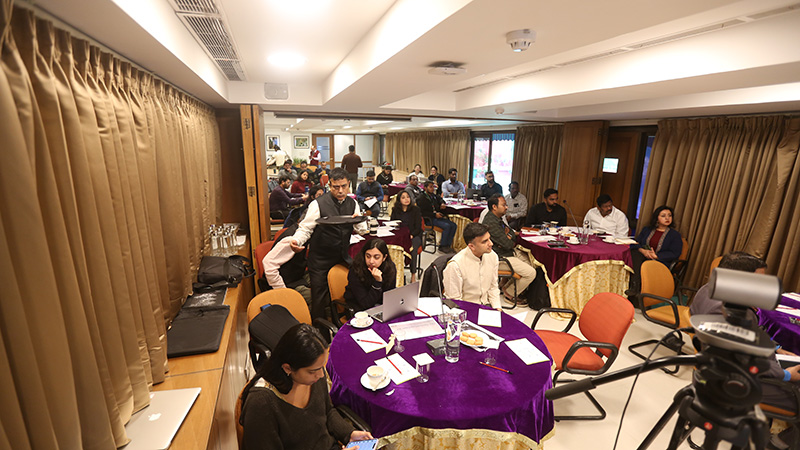
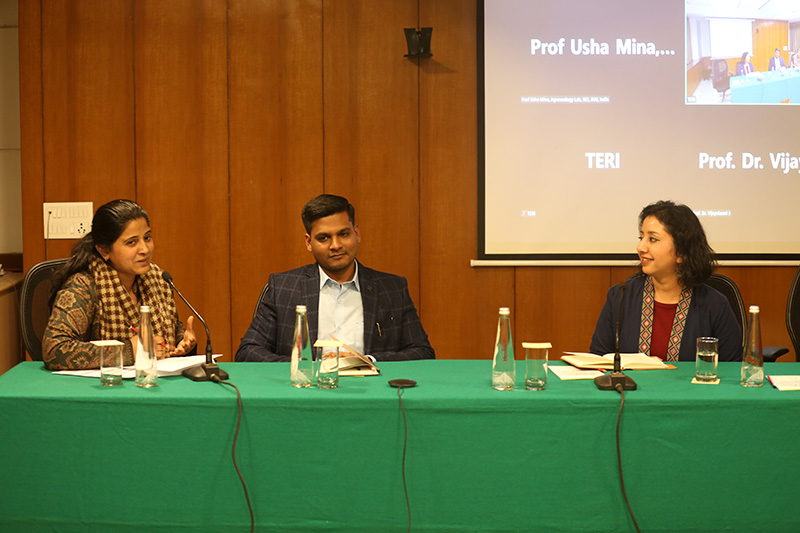
The workshop brought together Urban Local Body representatives, regulators, technical experts, financial institutions, and civil society organisations for a series of technical presentations and moderated panel discussions. The objective was to connect policy frameworks with on-ground implementation tools across rapidly urbanising Indian cities. Over 40 participants attended in person, with around 25 participants joining online.
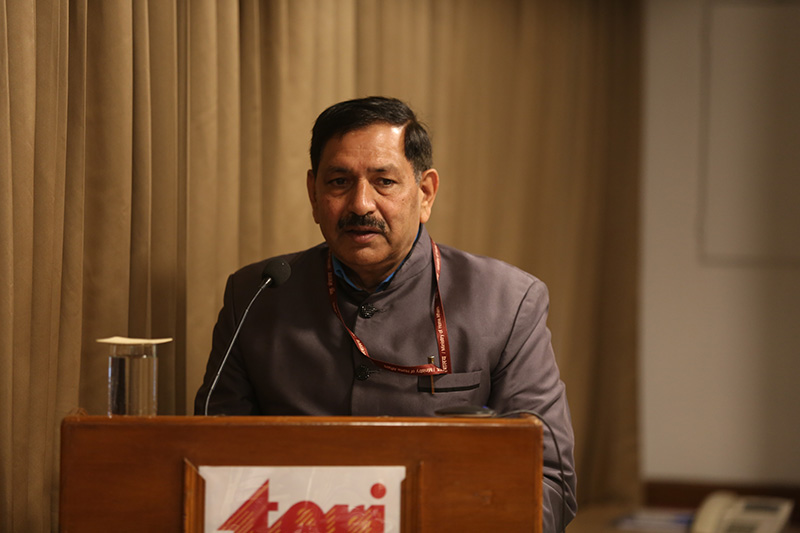
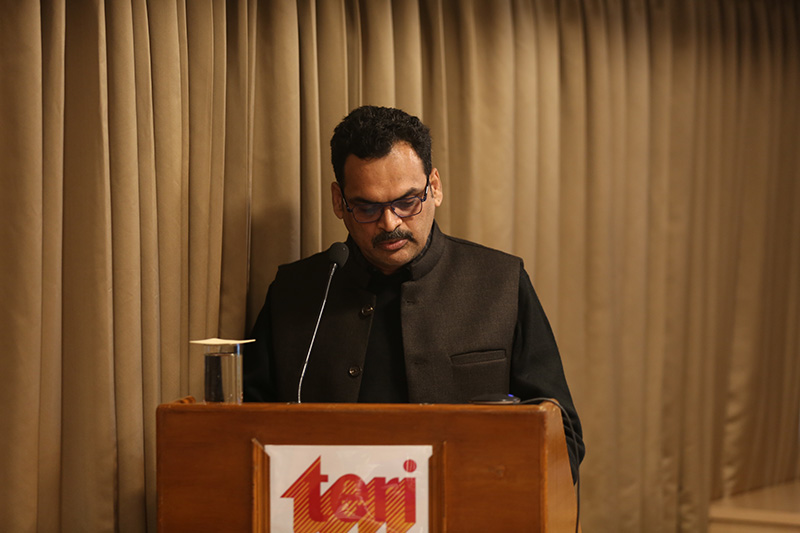
The programme opened with welcome remarks by Mr R Suresh, Area Convenor, Centre for Air Quality Research (TERI), and Mr Karan Shah, COO, Artha Global, followed by a keynote address by Dr S D Attri, Member Technical, Commission for Air Quality Management (CAQM), who outlined the evolving national air quality policy context and the role of city-level action under NCAP.
Technical presentations and city case discussions examined transport emissions, monitoring data, and NCAP implementation experiences from Andhra Pradesh cities and other Indian urban centres. Participants discussed how Urban Local Bodies frame air quality challenges and emphasized the need for coordinated, multi-sector responses.
Experts discussed the role of green and nature-based interventions in reducing exposure along high-traffic corridors. Discussions focused on design effectiveness, maintenance requirements, institutional coordination, and the importance of pilot demonstrations supported by monitoring and evaluation.
This session explored parking regulation, street design, and area improvement strategies as exposure-reduction and livability measures within CAZ planning. City and practitioner perspectives highlighted implementation challenges and practical entry points for cities.
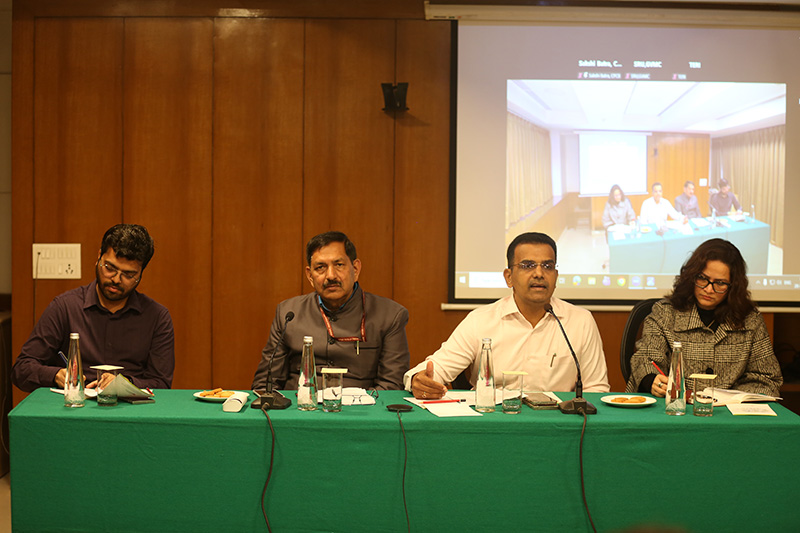
Finance and policy experts shared perspectives through a moderated panel discussion on funding pathways for CAZ interventions, including NCAP support, municipal finance, climate funding channels, and private sector participation. The examined the financial, institutional, and policy conditions required to make urban air quality projects investment-ready.
Transport specialists emphasized the role of public and multimodal transport in CAZ frameworks. Discussions covered modal shift strategies, first- and last-mile connectivity, and clean mobility transitions to support sustained emission reductions.
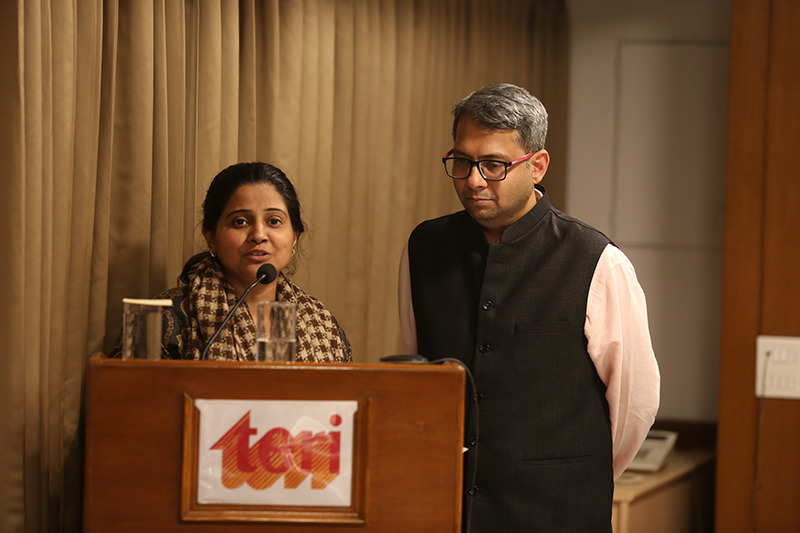
The workshop concluded with closing remarks by Dr Anju Goel, Associate Director – Air Quality Research Division, TERI, and Dr. Vivek Vaidyanathan, Principal, Artha Global, who emphasized the importance of sustained city-level action and cross-sector collaboration. Participants called for continued collaboration among city governments, technical institutions, and financing partners to translate Clean Air Zone pilots into scalable urban programmes supported by data, institutional coordination, and sustainable funding mechanisms.