
This Earth Day, themed 'Our Power, Our Planet', every citizen must commit to upholding their responsibility to protect the environment and safeguard the planet that sustains us with essential resources—water, food, and soil. Structural reforms alone will fall short unless individuals do their part by adopting climate-conscious habits and embedding them in everyday life.
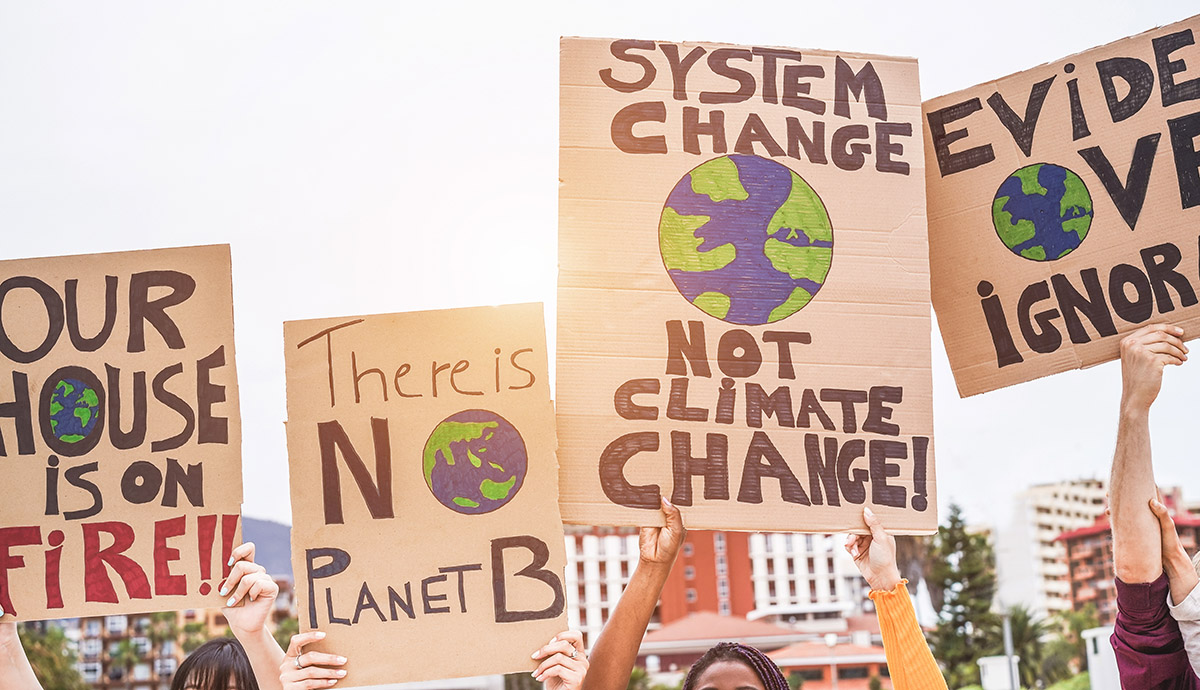
Public participation has not been given its due importance in climate action, neither at the policy nor at the implementation level. Climate policies remain in inertia unless citizens come forward to actively shape, adopt, re-adapt, and monitor them. It is now the responsibility of every citizen to proactively engage in climate action to minimize threats of disasters such as floods, droughts, heatwaves, and earthquakes.
Climate action is driven largely by policy in India, ranging from national frameworks like the National Action Plan on Climate Change (NAPCC), and state interventions like the State Action Plan on Climate Change (SAPCC), and initiatives undertaken by ULBs at the city level for efficient local governance of climate issues. While it is critical to formulate and implement these climate policies since they reflect direction, ambition, and commitment towards climate action, it cannot succeed on its own; it needs proactive participation from the public at its core to drive conspicuous change in the climate arena.
To achieve Net Zero target by 2070, India must integrate public participation in the policy implementation aspect and strengthen its enforcement by making people active agents in monitoring and regulating government policies and targets set for reducing GHG emissions. The citizen-monitoring tools will enable vigilance and keep a check on authorities about the progress of on-ground actions.
Why Public Participation Matters
Formulation and enforcement of climate policies is the first step taken in the direction of climate action but shouldn’t be the last. The relevance of the policy is realized only by the people who accept it and adopt it, making it part of their everyday life. Inputs of the citizens help align frameworks like Climate Action Plans at the central and state levels. The people have better judgement of their local needs and problems, making the policies more practical and context-specific to a particular region.
The role of the citizen bridges the implementation gap between the policy on paper and the policy in practice. Their participation ensures that the policies made for their welfare are operationalized in day-to-day life, thereby building up their adaptive qualities to the ever-changing environment. Hence, it drives behavioural change and is found in everyday practices such as shifts in energy use patterns, waste segregation, and transport choices–switching to EVs from traditional fuels, thus promoting renewable energy. Such habits are necessary for initiatives such as Swachh Bharat Mission and Smart Cities Mission.
Transparency and accountability are strengthened when citizens act as watchdogs—monitoring government actions, holding institutions to account, and thereby improving governance outcomes. This approach also advances inclusivity and equity in the distribution of climate-related benefits, ensuring that outcomes are both climate-sensitive and grounded in a GEDSI (Gender Equality, Disability, and Social Inclusion) lens.
Promoting Participation: TERI’s Active Engagement
Several projects undertaken by TERI’s Transport and Urban Governance Division are helping in developing public participation in climate action at the local level. Urban Living Labs in Vishakhapatnam provide a platform where citizens, local governments, and researchers can co-create and test real-world climate solutions. This reinforces participatory action and places citizens at the heart of the project, highlighting they have voices, which are heard, loud and clear. Another project Urban-Act, Integrated Urban Climate Action Programme supports Indian cities to develop low-carbon and climate-resilient plans through data collection, stakeholder consultations, and engagement at the grassroots level.
Projects on electric vehicles across India are helping evaluate how the adoption of e-buses delivers both environmental and community benefits, enabling cities to better understand the growing importance of e-mobility in today’s context. Additionally, it facilitates identifying infrastructural gaps and generating public awareness about the co-benefits of switching to EV solutions.
These projects show how TERI is moving beyond policy research to proactively engaging with the local people who are severely affected by climate challenges on a daily basis, helping them understand their local realities and building resilience to better cope with such challenges. Co- creating climate solutions bridges the hierarchy across the governance structures, and the communities farther removed from the policy decisions.
Road Ahead for Climate Action
India has strong climate policy foundations, but implementation remains a challenge. For meaningful change to occur, these efforts must be understood, accepted, and owned by citizens—the key stakeholders of our planet. A bottom-up approach is essential, with local action driving incremental progress. Climate responsibility cannot rest solely with authorities; citizens must also take ownership of protecting the planet.
Bridging the gap between policy and practice will require close collaboration among government, communities, and researchers. In this context, smart portals and digital tools can empower citizens to track and monitor the progress of climate initiatives at state and local levels.
Building awareness and capacity at the local level, especially in the early stages, is critical to driving people-led initiatives. Climate education must play a central role in raising awareness, fostering responsibility, and building climate literacy across the country. Ultimately, climate action can only succeed when people are fully engaged—placing their needs at the centre and empowering them to become active agents of change in safeguarding the planet amid a rapidly shifting climate.