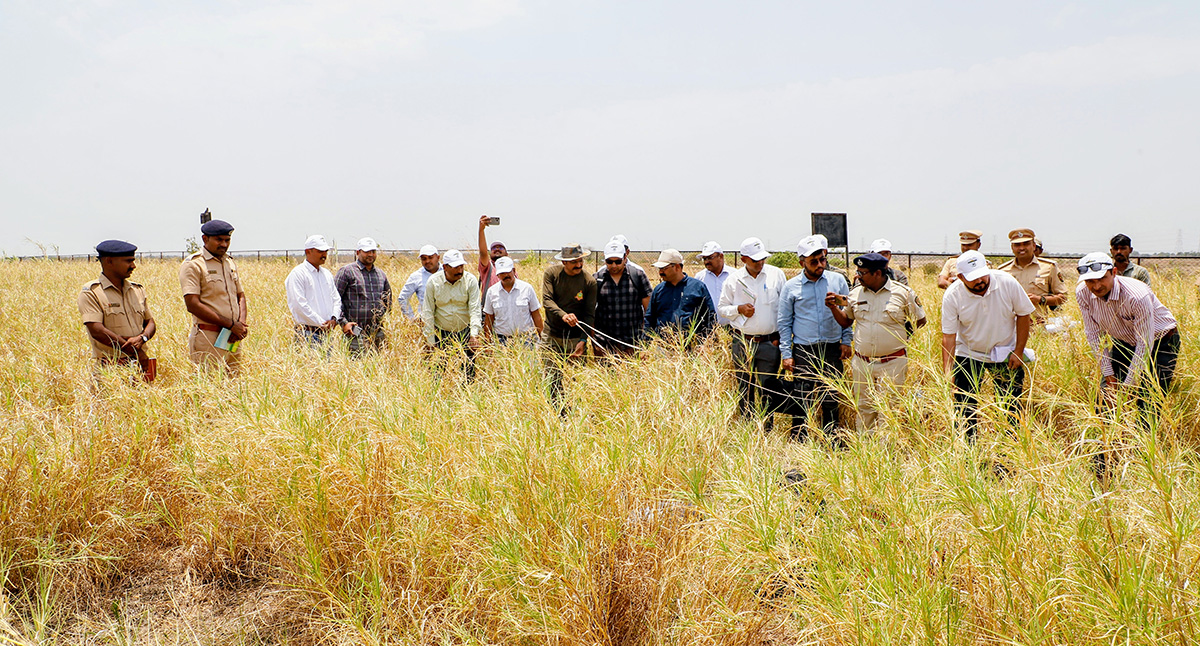
As climate finance gains momentum globally, India must broaden its vision beyond forests and recognise the immense value of rangelands, soils, and pastoral livelihoods in addressing climate change.
India’s climate conversation has long been dominated by forests. When we speak of carbon sequestration, the discussion almost automatically turns to trees, plantations and canopy cover. This focus is understandable, but it remains incomplete. Some of India’s most important climate landscapes do not look like forests at all. They are grasslands, rangelands, scrublands, grazing commons and semi-arid pastoral ecosystems.
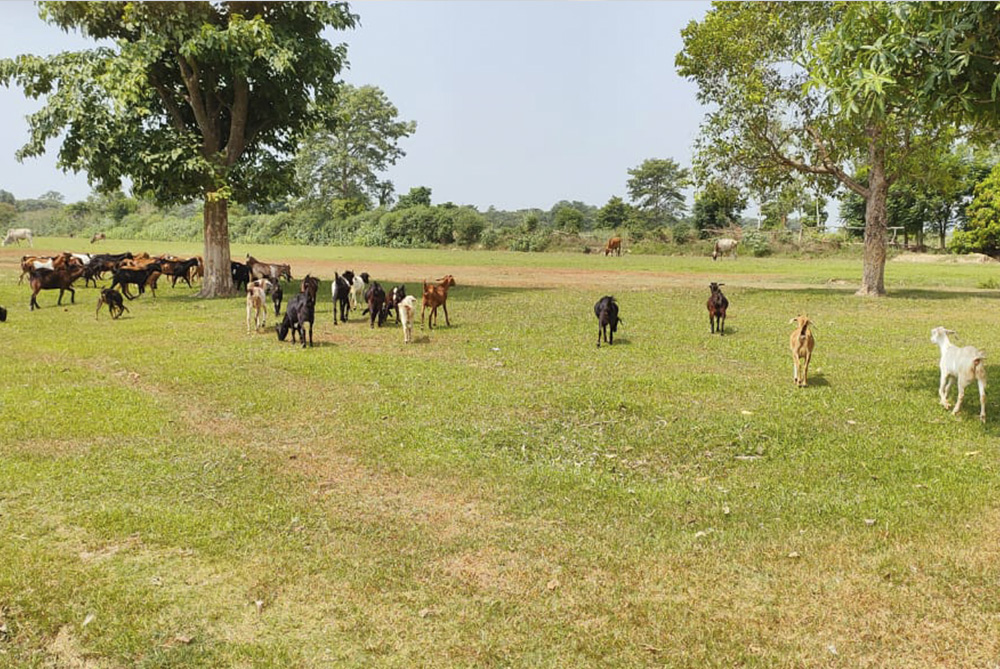
These landscapes are often misunderstood. A treeless landscape is too easily treated as a degraded landscape. Open grasslands are frequently seen as wastelands, vacant areas or future plantation sites. This is a serious policy mistake. Grasslands are not empty lands. They support livestock, biodiversity, soil systems and millions of pastoral and agro-pastoral livelihoods. Importantly, they also function as significant carbon reservoirs, much of that carbon being stored beneath the ground.
As 2026 is observed as the ‘International Year of Rangelands and Pastoralists’, India has an important opportunity to correct this blind spot. If designed well, grassland restoration and improved management can become a practical pathway for carbon finance, rural resilience and land restoration. The moment is particularly opportune as policymakers increasingly seek nature-based solutions (NbS) that deliver both climate and development benefits.
The key difference lies in where the carbon is stored. In forests, carbon is visible in trunks, branches and canopy biomass. In grasslands, a large share of carbon is stored in roots and soil organic carbon. Healthy grasslands build dense root networks that stabilise soil, retain moisture, reduce erosion and improve resilience to drought. Their climate value is not always visible from above, but it is deeply embedded below the surface.
When grasslands are overgrazed, repeatedly burnt, invaded by alien species, fragmented, converted or ignored, this carbon stock declines. The impact is wider than climate loss. Fodder availability falls, soil health weakens, biodiversity suffers and pastoral livelihoods become more vulnerable. In dryland and semi-arid regions, where recovery is slow, degradation can create long-term ecological and economic stress.
This is why grasslands deserve a serious place in India’s carbon finance strategy.
Carbon finance can support grasslands in two ways. The first is by avoiding further carbon loss. In relatively healthy grasslands and rangelands, the priority should be protection and improved management. Better grazing systems, prevention of damaging land-use conversion, control of invasive species and improved fire management can help maintain soil carbon and ecological productivity. In these landscapes, preventing degradation can be as important as restoring what has already been lost. Conservation, therefore, is itself a climate intervention.
The second pathway is carbon removal through restoration. In degraded grasslands, carefully designed interventions can rebuild vegetation cover, root biomass and soil carbon over time. But restoration must suit the ecosystem. A grassland should not automatically be treated as a failed forest. Planting trees on natural grasslands may look like greening, but it can damage open-ecosystem biodiversity, reduce grazing access and alter the ecological character of the landscape.
Grassland restoration needs grassland solutions. These include native grass recovery, reseeding, rotational or deferred grazing, soil and moisture conservation, invasive species management and improved fire regimes. Such measures can improve ground cover, strengthen soil health and increase resilience. They can also create measurable carbon gains that may be linked to carbon markets.
For India, the livelihood case is equally strong. The country has a large livestock economy, and many rural communities depend on grazing commons and open ecosystems. Better grassland management can improve fodder security, reduce pressure on degraded lands, support drought adaptation and strengthen local incomes. Carbon finance can add a new incentive by rewarding long-term ecological stewardship rather than short-term land exploitation.
However, this opportunity must not become another top-down market experiment. Pastoralists and local communities must be central to grassland carbon projects. Their seasonal mobility, grazing knowledge and understanding of local ecosystems are not obstacles to conservation; they are part of the management system. Any model that restricts traditional grazing without community consent or fair benefit-sharing will create conflict and fail in practice.
A credible grassland carbon finance model must therefore include community participation, tenure clarity, safeguards for customary use, transparent institutions and fair revenue-sharing arrangements. Carbon credits should not come at the cost of pastoral rights. They should strengthen local stewardship.
Measurement will be critical. Carbon markets cannot run on broad claims. Projects must prove that carbon benefits are real, additional and measurable. India has strong capacity in remote sensing, GIS and field-based ecological assessment. These tools can be combined to build robust measurement, reporting and verification systems for grassland carbon projects.
Satellite data can track vegetation cover, seasonal productivity, fire history, degradation and restoration trends. Field surveys can measure soil organic carbon, biomass, species composition and grazing pressure. Together, these methods can make grassland carbon projects credible for investors, communities and regulators.
But carbon should not be the only yardstick. A successful grassland project must also improve fodder availability, biodiversity, soil moisture, resilience and livelihood outcomes. If a project generates credits but damages native grasslands or excludes pastoralists, it cannot be called restoration.
India must now move beyond the plantation-first mindset. Many grasslands are not waiting to become forests. They are distinct ecosystems with their own value. Their worth cannot be measured only by tree cover.
A national approach to grassland carbon finance should begin with accurate mapping and classification of grasslands, rangelands and grazing commons. It should identify which areas need protection, which require restoration and which are unsuitable for tree-based interventions. Policy must distinguish between degraded land and natural open ecosystems.
Three priorities are clear. First, protect intact grasslands from conversion and further degradation. Second, restore degraded grasslands through native grass recovery, soil and moisture conservation and improved grazing management. Third, build community-centred carbon finance models with robust monitoring, fair benefit-sharing and safeguards for pastoral livelihoods.
India’s climate policy must learn to look below the canopy. Carbon is not stored only in trees. It is also stored in soils, roots and well-managed open ecosystems. Grasslands may not appear dramatic, but their climate and livelihood value is substantial.
As India charts its pathway toward climate resilience and net-zero ambitions, recognising the carbon wealth of grasslands is no longer optional, it is critical. The wealth beneath India’s grasslands is already there. What is needed now is recognition, restoration, and finance that will work with ecology rather than against it.