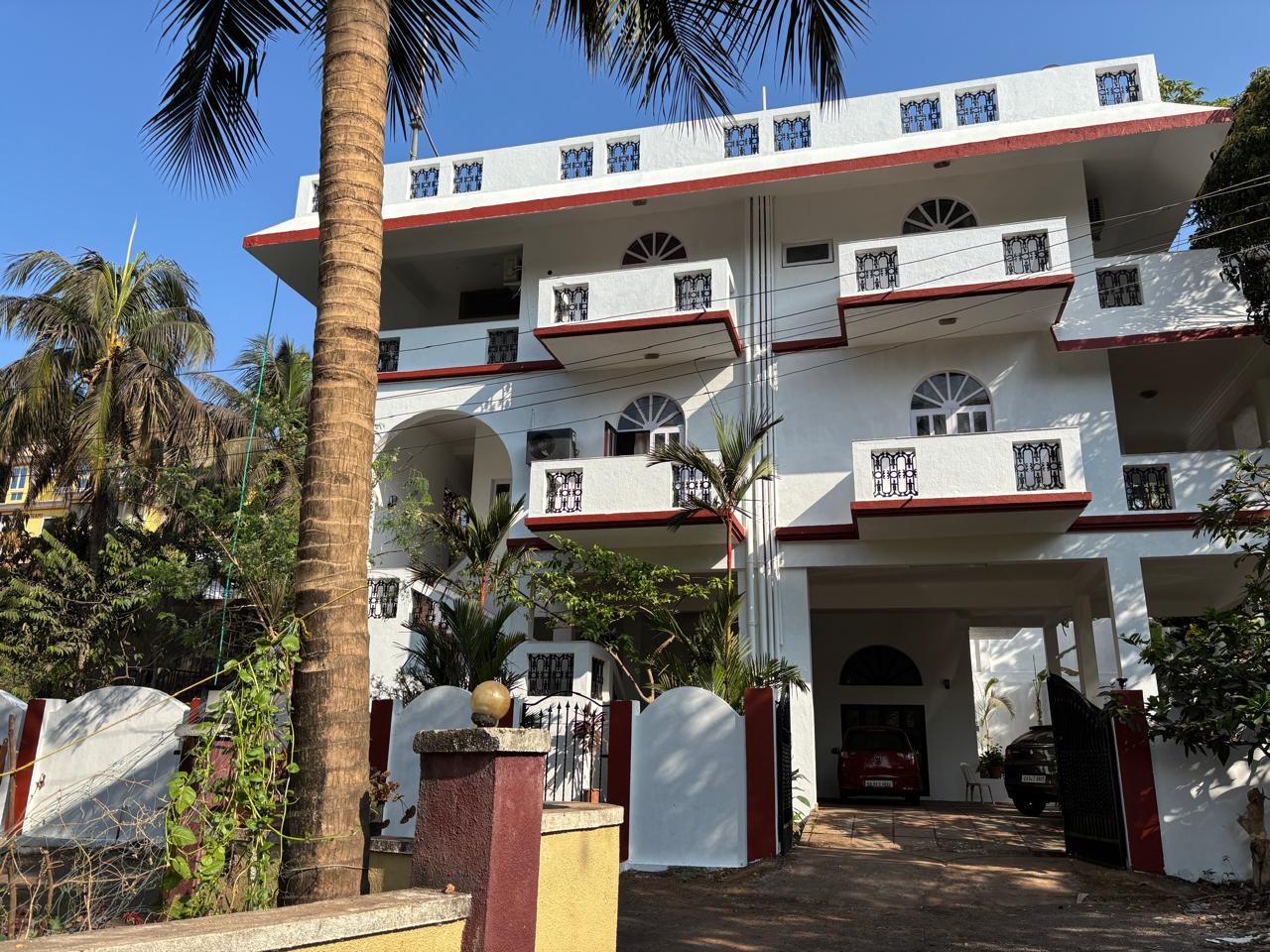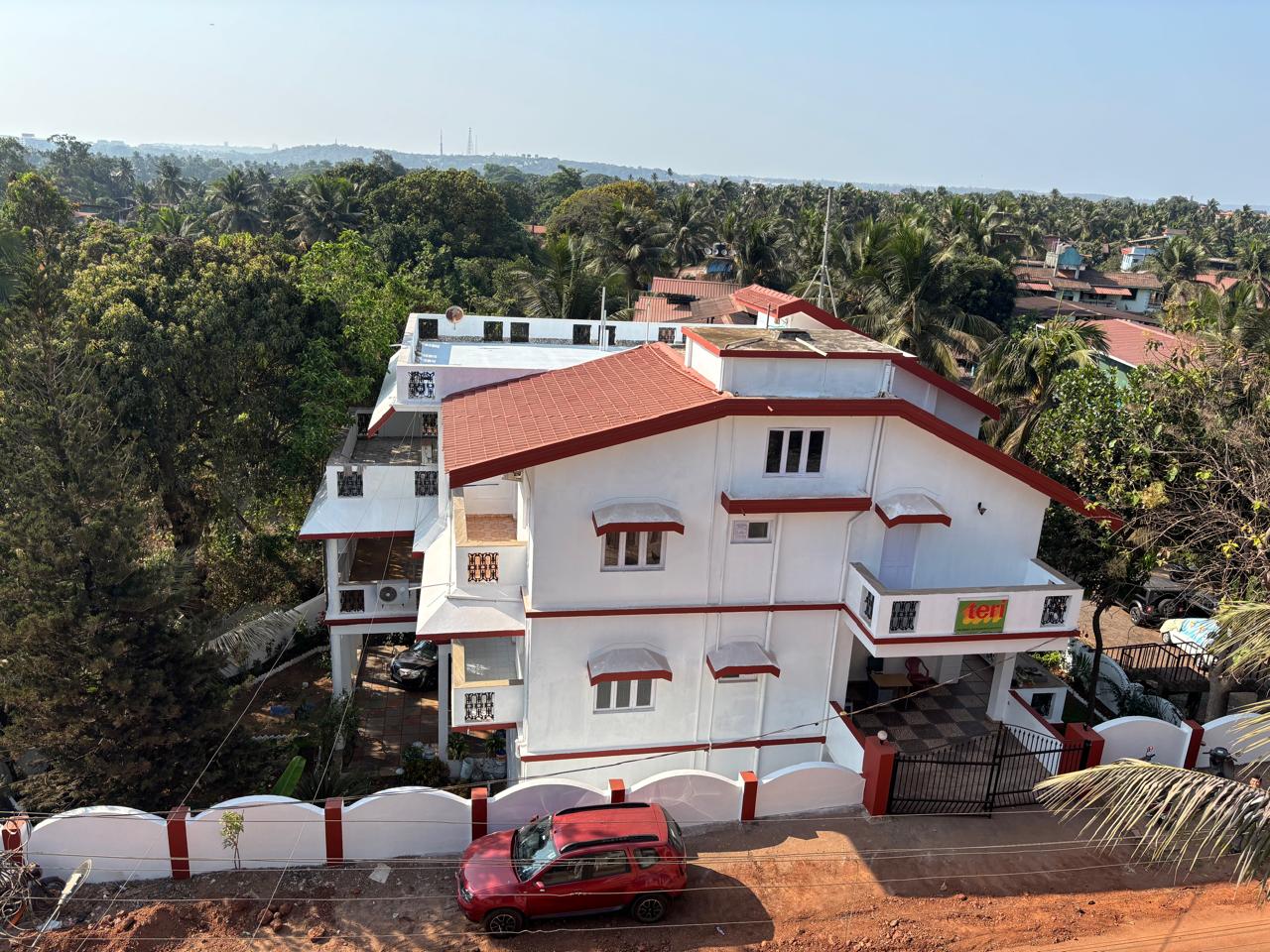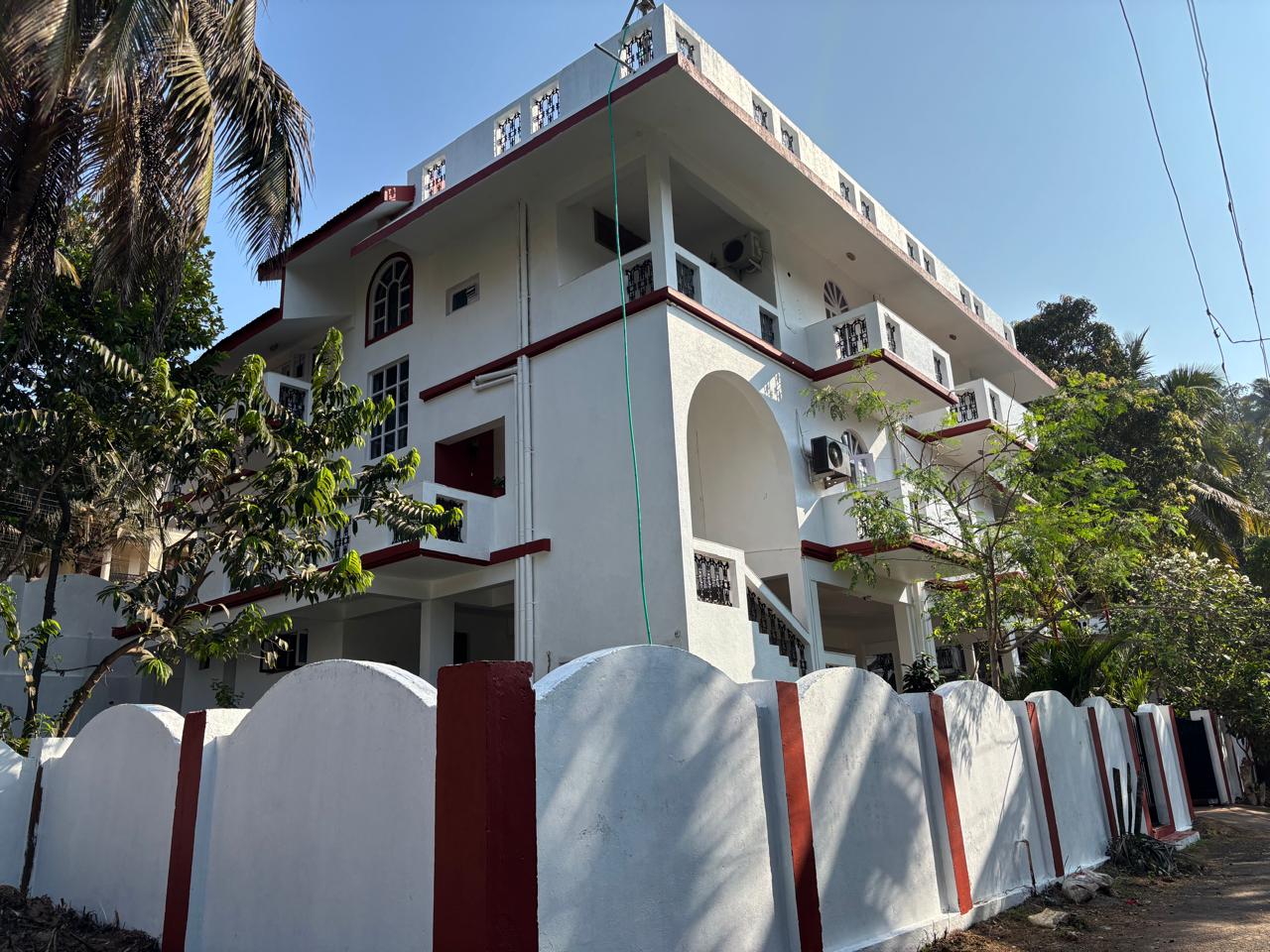
Established in 1996, the Coastal Ecology and Marine Resources Center (CEMRC) in Goa serves as a premier regional research hub. Situated amidst a rich landscape of mangroves, estuaries, khazans, and traditional fisheries, the Center acts as a natural laboratory dedicated to coastal resource conservation. It addresses critical modern challenges, including climate change, pollution, mining impacts, and agricultural runoff.
With over 70 per cent of the world’s population residing in coastal areas, the urgency for rigorous coastal research has never been greater. The CEMRC explores the intricate links between land and water ecosystems, providing technical, advisory, and outreach services for the sustainable management of marine and inland resources. By investigating science-based solutions, the Center works to preserve delicate ecosystems while navigating the pressures of rapid environmental change and insufficient scientific data.
Alignment with National and Global Goals
The Centre is committed to achieving the United Nations Sustainable Development Goals (SDGs) and contributes to nation-building through several flagship Government of India programs, including:
- National Coastal Scheme and the Integrated Coastal Zone Management Plan (ICZMP)
- Small Grant Programs in the Indian Coastal Region
- Swachh Bharat Mission, Self-Reliant India (Atmanirbhar Bharat), and others.
Mission
The Center advances the sustainable management and conservation of marine, coastal, and adjacent inland resources through multidisciplinary research, capacity building, and specialized consulting. By integrating the natural and social sciences, CEMRC delivers impact-focused, technology-driven solutions in collaboration with national and international partners.
Scope of Work
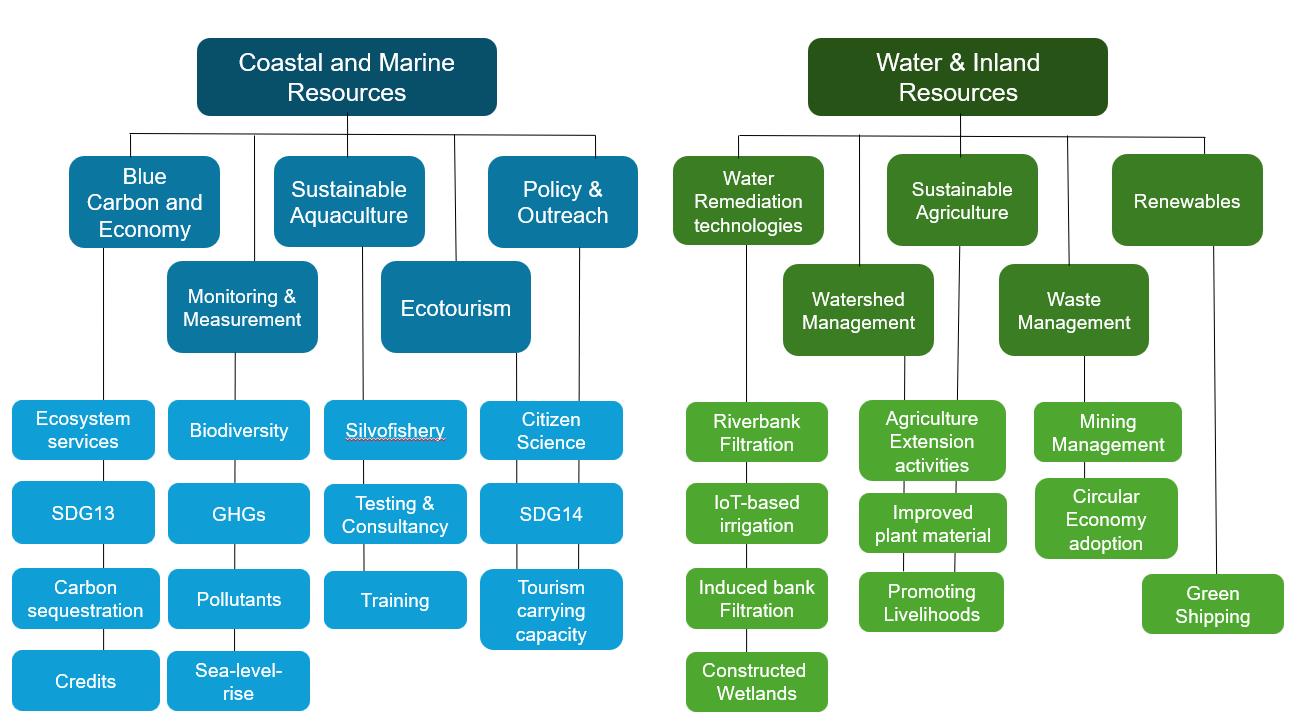
The CEMRC’s operations span policy formulation, pilot demonstrations, technology validation, and large-scale deployment. The Center is committed to the following pillars of action:
- Scientific Research: Conducting peer-reviewed research in coastal ecology, blue carbon, benthic and pelagic biodiversity, marine pollution, and aquaculture.
- Resource Management: Developing frameworks and recommendations for resource-efficient agricultural practices to protect marine and coastal ecosystems.
- Capacity Building: Providing hands-on training in aquaculture, seawater analysis, biomass inventory, GHG monitoring, and marine product testing.
- Clean Water Solutions: Implementing inland water treatment technologies to provide affordable and clean water to local communities.
- Circular Economy: Advancing solid waste management and the sustainable handling of materials at mining dumps.
- Urban & Infrastructure Management: Addressing urban pressures—such as traffic and floating populations—through improved WASH (Water, Sanitation, and Hygiene) and waste management.
- Renewables & Green Shipping: Promoting sustainable marine renewables and green shipping solutions to reduce carbon emissions.
- Ecotourism & Education: Implementing educational tours, community-based conservation, and restoration initiatives to foster coastal awareness.
- Citizen Science: Fostering self-sustaining rural economies through organic farming, sustainable agricultural practices, and capacity building for local communities.