The TERI–India Habitat Centre (IHC) Monthly Lecture and Discussion Series is a premier collaborative initiative designed to foster structured, interdisciplinary public dialogues on critical contemporary issues. While the IHC is traditionally renowned for its vibrant art, theatre, and cultural programming, this lecture series enriches its intellectual portfolio by embedding core themes of sustainability, environment, technology, and society into its regular offerings.
By leveraging the research excellence of TERI alongside the IHC’s status as a premier public platform, the series bridges the gap between scientific inquiry, policy framing, and citizen engagement. Strategically anchored around national and international observance days, the year-long framework provides a predictable, inclusive, and cost-effective platform for knowledge dissemination. Each one-hour interactive evening session pairs a leading subject expert with a panel of distinguished practitioners. This design ensures that complex challenges, ranging from climate geopolitics to decentralized energy transitions, are translated into actionable, real-world perspectives. Ultimately, the series strengthens institutional thought leadership while empowering a diverse audience of policymakers, academics, students, and citizens to network, collaborate, and advocate for a sustainable future.
The Inaugural Lecture: Navigating Climate Geopolitics
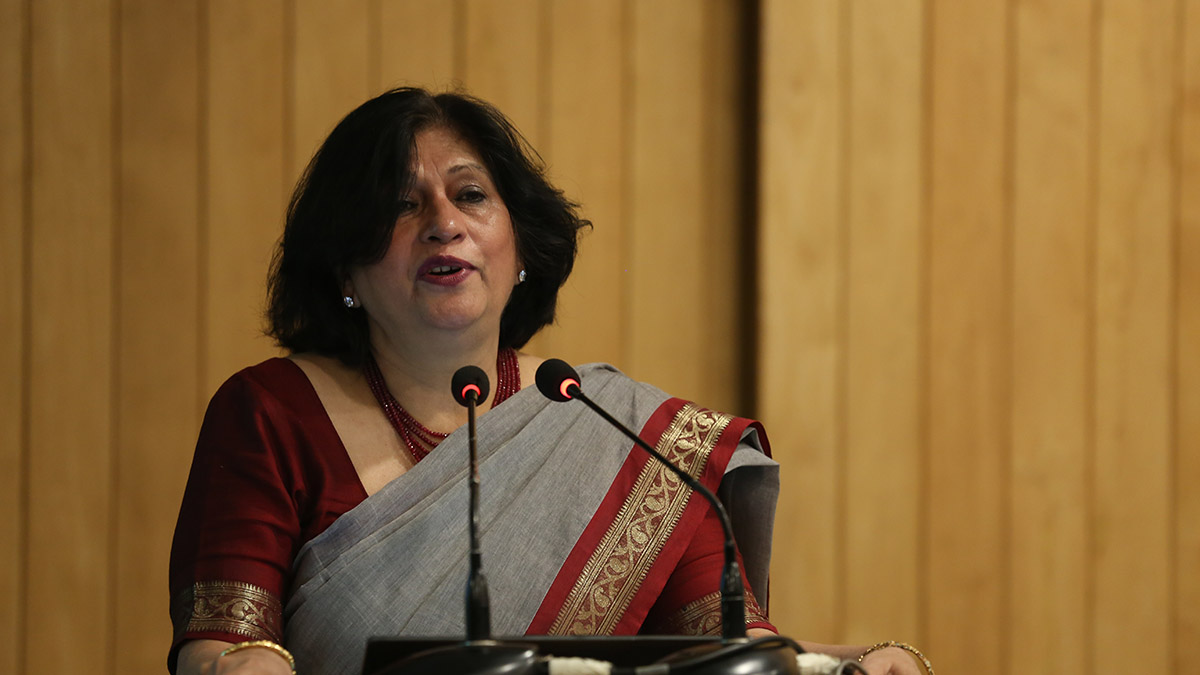
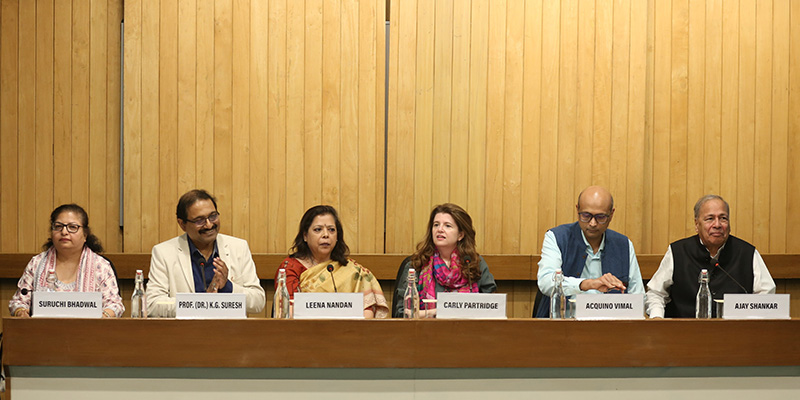
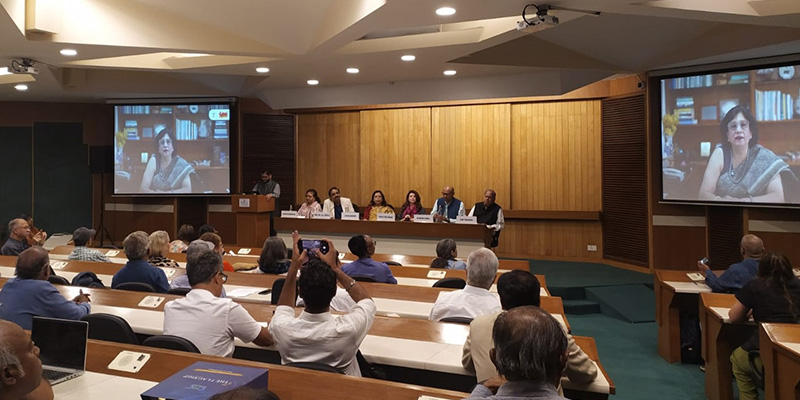
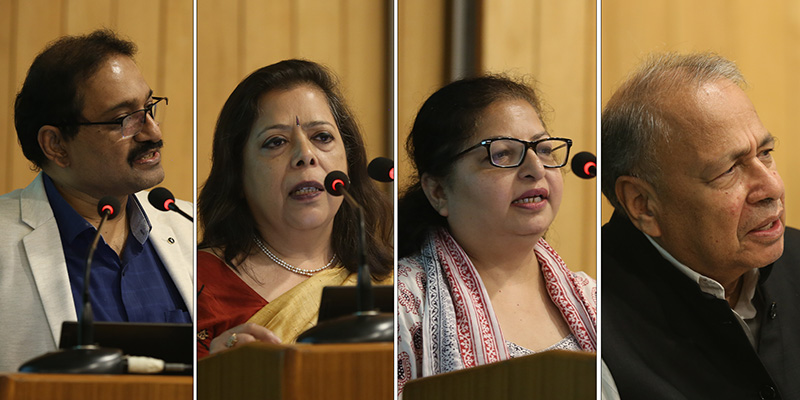
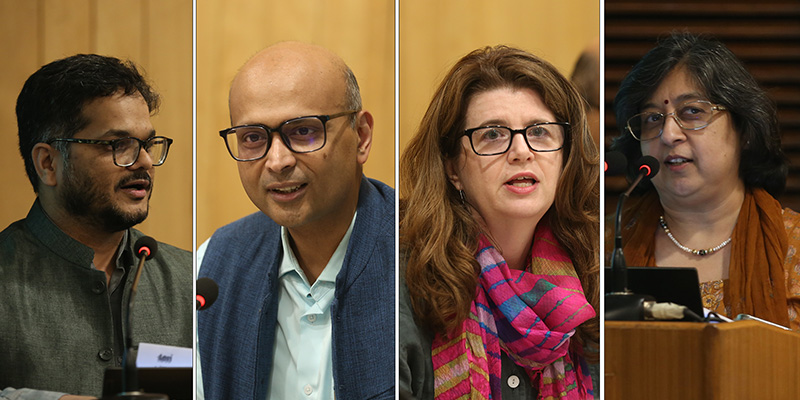
Marking World Environment Day 2026, the series officially launched on June 8, 2026, at IHC's Gulmohar Hall with its inaugural session, "The Climate Conundrum: Global Geopolitics and Missed Opportunities." The event commenced with a video message from Dr Vibha Dhawan (DG, TERI) and opening remarks from Prof (Dr) KG Suresh (Director, IHC), both emphasising the urgency of inclusive public dialogue. Ms Suruchi Bhadwal, Senior Director, TERI set the context by highlighting rising global temperatures and critical gaps in climate ambition.
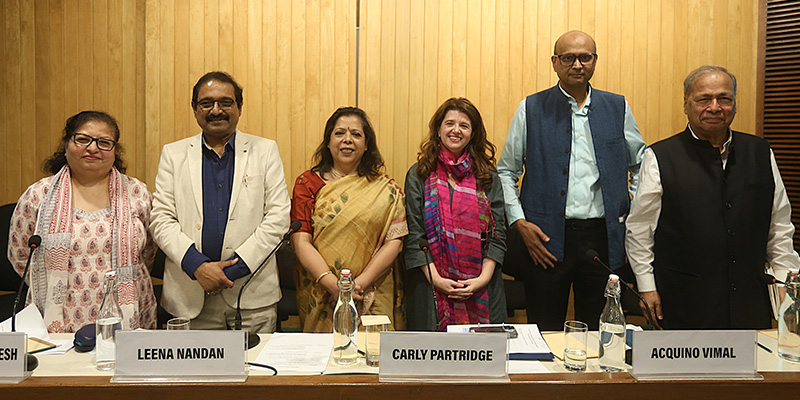
Moderated by Ms Leena Nandan, Distinguished Fellow TERI, a high-level panel examined the friction between international negotiations and domestic realities. Ms Carly Partridge, Minister Counsellor at the Australian High Commission, emphasised trust and climate finance, while Dr Acquino Vimal, Joint Secretary, Ministry of External Affairs, noted the slow pace of global accords.
Mr Ajay Shankar, Distinguished Fellow, TERI spotlighted India's renewable energy successes, calling for stronger political leadership. The session concluded with a vibrant Q&A session with the audience, successfully initiating this monthly sustainability platform.
Event Photographs
Event Video
Beyond Borders: How Decentralised Energy is Redrawing the World Map
India's energy transition is entering a new phase. While large-scale energy infrastructure has long been central to economic growth and energy security, decentralised renewable energy (DRE) solutions are increasingly transforming how energy is produced, accessed, and used across the country. From rooftop solar systems and solar-powered livelihoods to mini-grids and community-based energy solutions, decentralised energy is expanding access, enhancing resilience, and creating new opportunities for local development.
Beyond improving energy access, DRE is supporting rural livelihoods, strengthening climate resilience, reducing dependence on conventional energy sources, and enabling greater energy self-reliance for communities. As India pursues its clean energy and development goals, decentralised energy is emerging as a key enabler of inclusive and sustainable growth, particularly in underserved and remote regions.
At the same time, the rise of decentralised energy raises important questions. How can DRE contribute to India's energy security and resilience? What role can it play in supporting livelihoods, local economies, and climate action? How can government, industry, and communities work together to scale these solutions effectively?
This panel discussion will bring together experts from policy, industry, sustainable development, and national security to explore how decentralised energy is reshaping India's development pathway and influencing the future of energy systems in an increasingly interconnected world.
TERI–IHC Lecture Highlights Decentralised Energy as the Key to Grassroots Growth
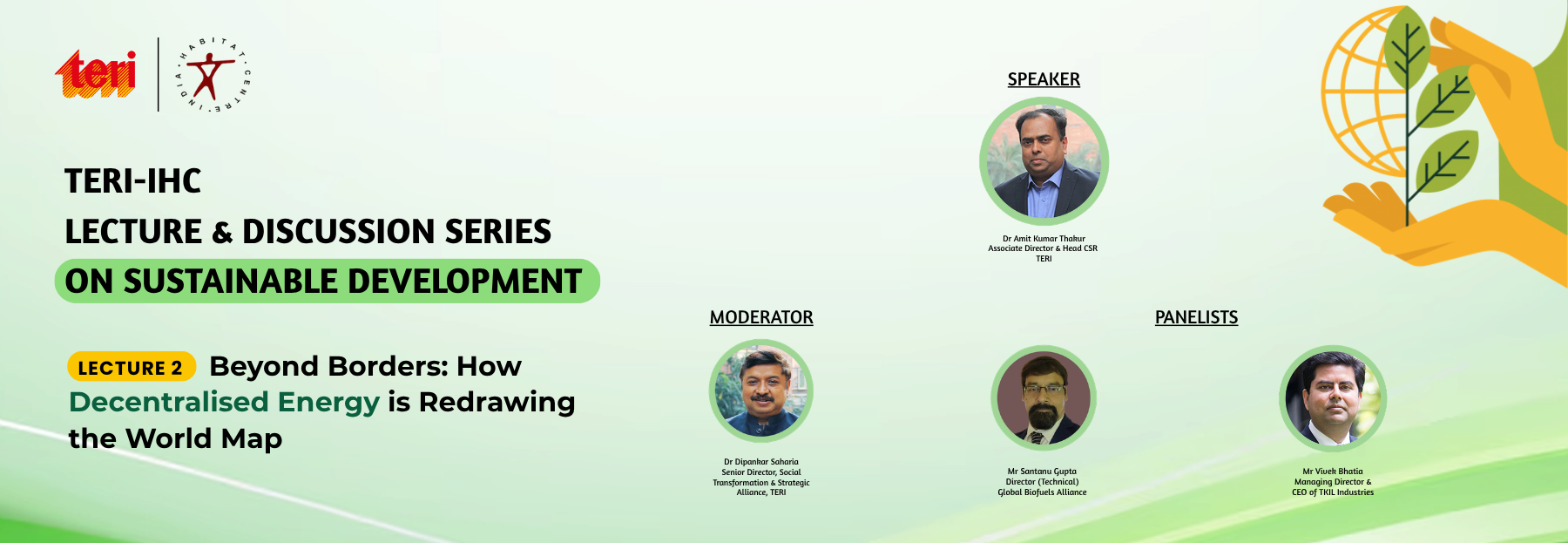
New Delhi, July 11, 2026: The second edition of the TERI–IHC lecture series, titled ‘Beyond Borders: How Decentralised Energy is Redrawing the World Map’, addressed how Distributed Renewable Energy (DRE) is shifting power dynamics from central utilities to grassroots communities. Amid escalating geopolitical conflicts, such as West Asia supply shocks that disrupted 20 percent of global oil supplies and pushed Indian inflation to 3.93 percent in May 2026, the forum underscored that localized generation is no longer just a climate target, but an absolute economic necessity.
Dr Vibha Dhawan, Director General, TERI, highlighted the urgent need for an equitable energy pivot. “Even before recent crises, we recognized that India faces energy insecurity. The transition must not only lead to clean energy but to affordable energy through a just transition where no one is left behind. If our villages become truly energy secure, the speed at which they can develop will be unprecedented,” she stated.
Reinforcing this vision, Professor Dr K G. Suresh, Director, IHC, noted that DRE represents a fundamental shift moving from centralized control to the empowerment of the grassroots, serving as a critical pillar for economic resilience and energy security.
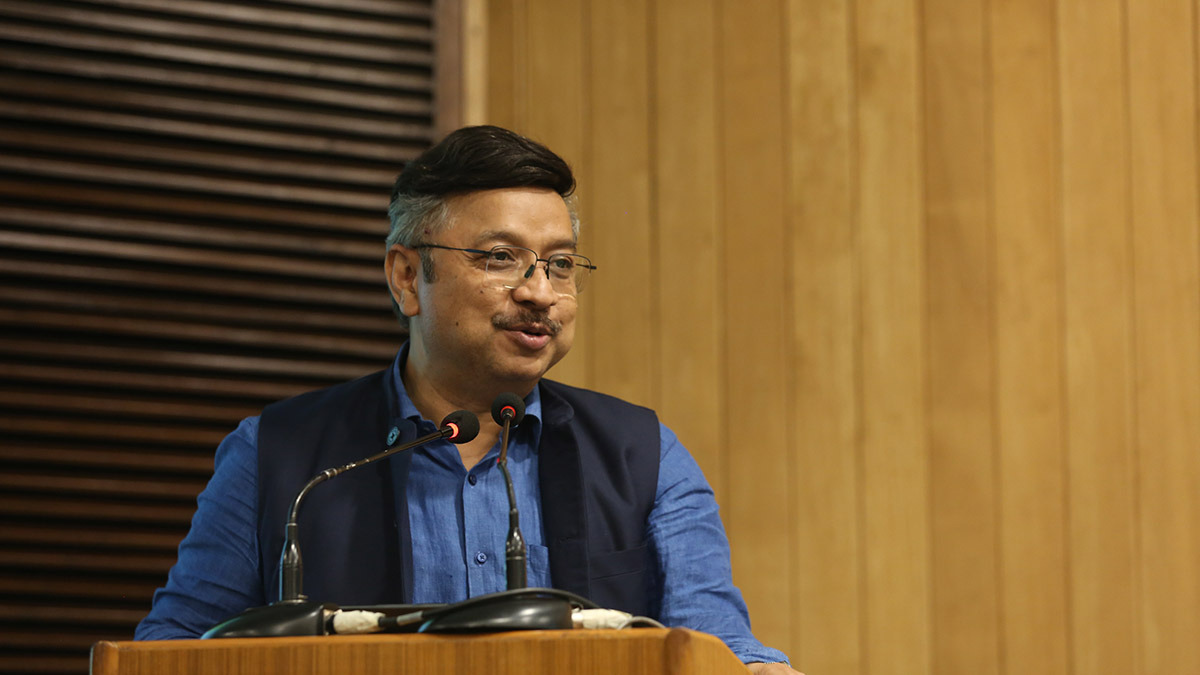
Following introductory remarks, Dr Amit Kumar Thakur, Associate Director at TERI, delivered a context-setting presentation mapping out the rapidly evolving global renewable energy landscape and its macroeconomic ripples on the Indian context.
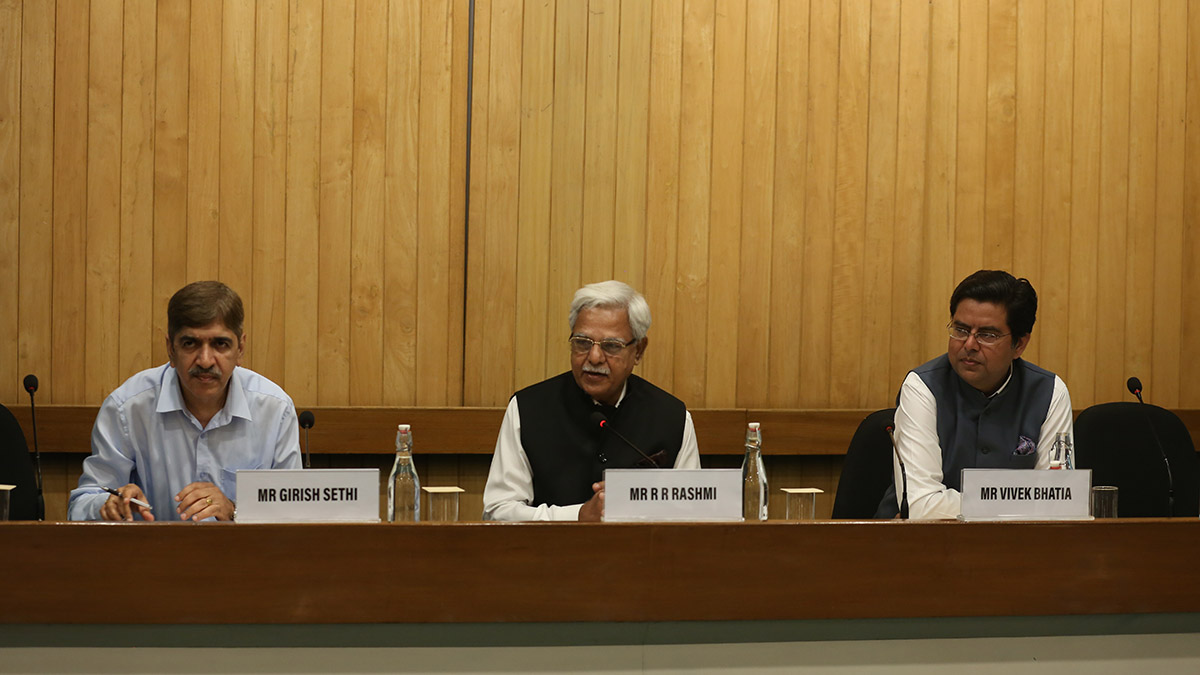
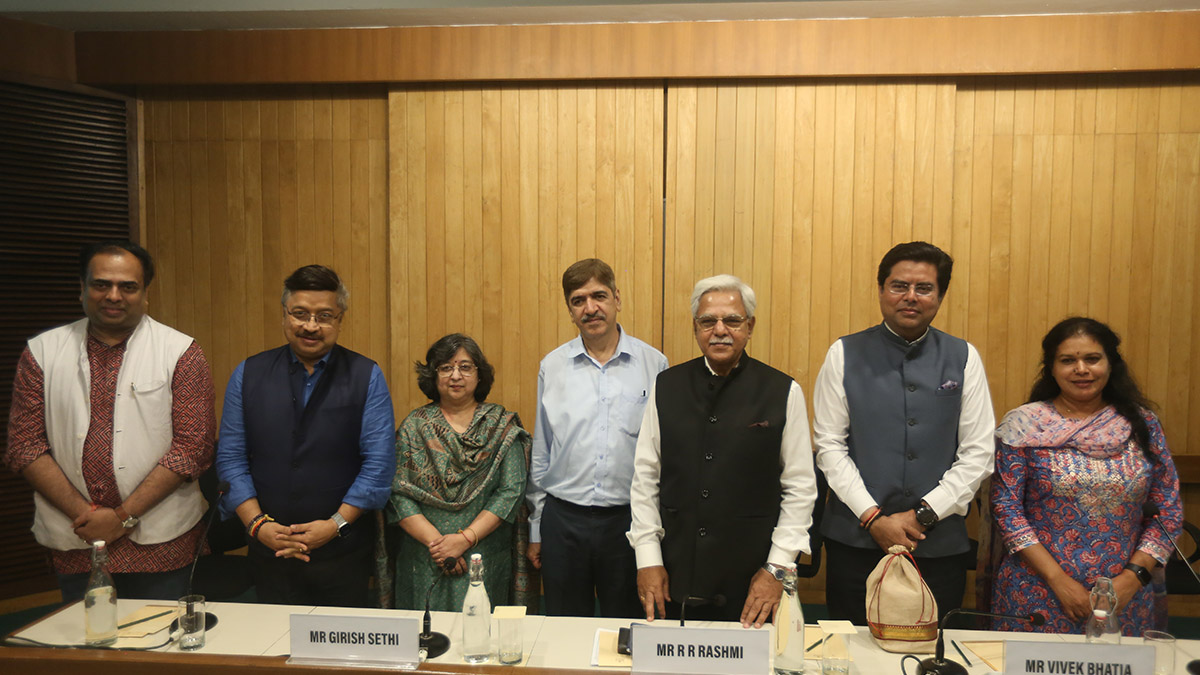
The session then transitioned into a dynamic panel discussion moderated by Mr RR Rashmi, Distinguished Fellow, TERI, which featured Mr Vivek Bhatia, MD & CEO of TKIL Industries, and Mr Girish Sethi, Senior Director, TERI. The discussion examined the core hurdles and opportunities in scaling clean energy solutions. While India holds a massive global renewable footprint of 283.46 GW, its current DRE capacity stands at 16.3 GW. To bridge this gap, the panel debated targeted strategies to:
- Overcome prevailing regulatory barriers.
- Integrate community battery storage systems efficiently into the national grid.
- Deploy blended financing models to lower high upfront capital hurdles for rural MSMEs.
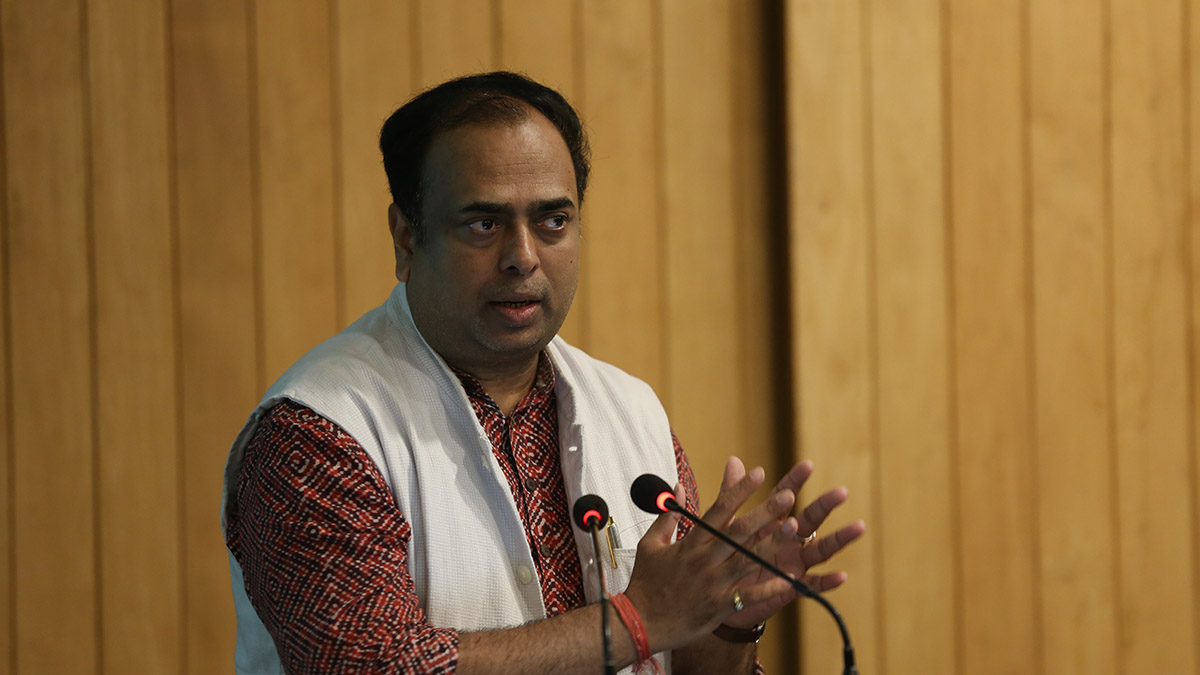
Closing the event with a Vote of Thanks, Dr Dipankar Saharia, Senior Director, TERI, emphasized that decentralized energy is no longer just about basic electricity access, but about creating sustainable livelihoods, strengthening rural economies, and empowering global entrepreneurship.
Event Photographs