
Search
Celebrating 50 Years of TERI
PRESS RELEASE
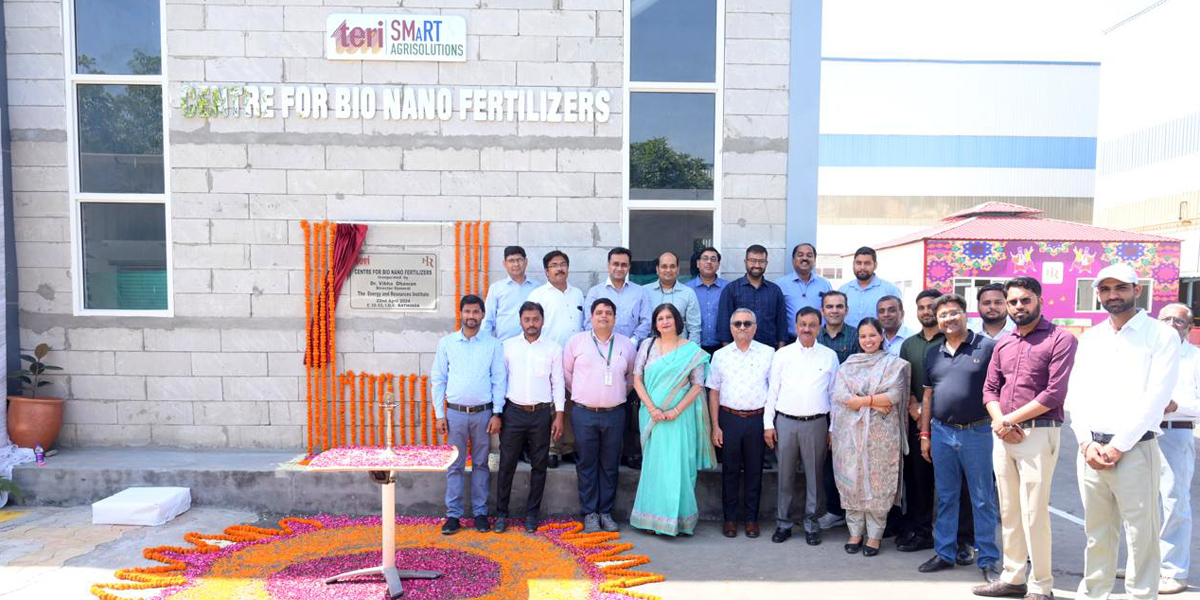
TERI and Chambal Fertilisers Introduce 'Uttam Pranaam'
Collaboration brings forth Bio Nano Phosphorus fertiliser, promising enhanced productivity, reduced environmental impact, and empowerment for farmers nationwide
Read More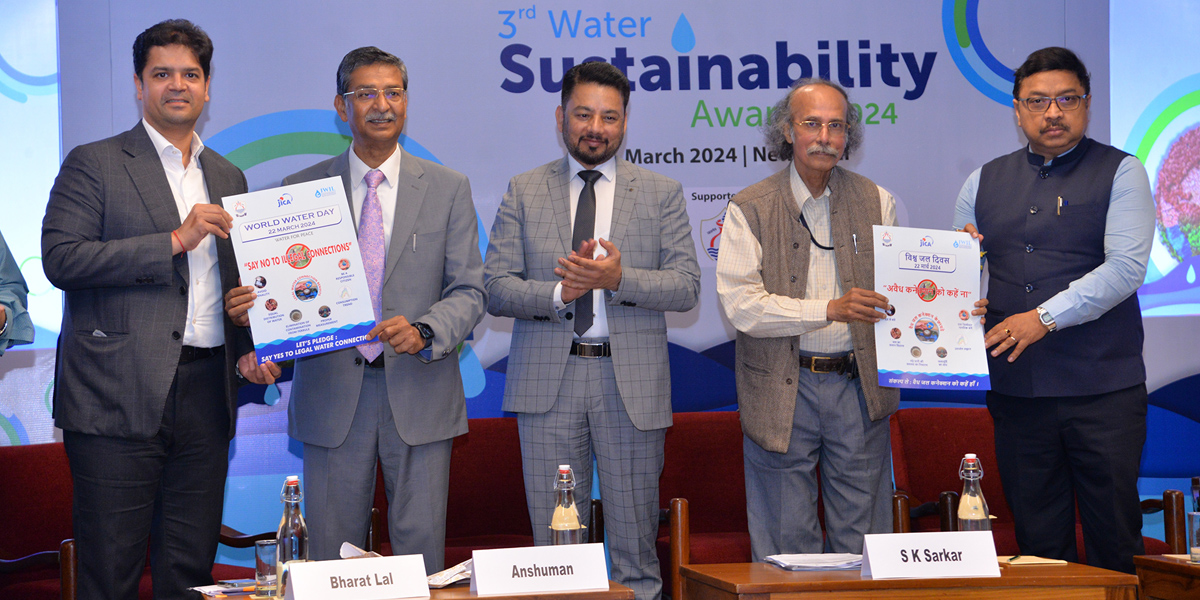
PRESS RELEASE
Water Sustainability Awards 2024
Stakeholders from across sectors honoured for transformative contributions towards Water Sustainability on the eve of World Water Day
Read More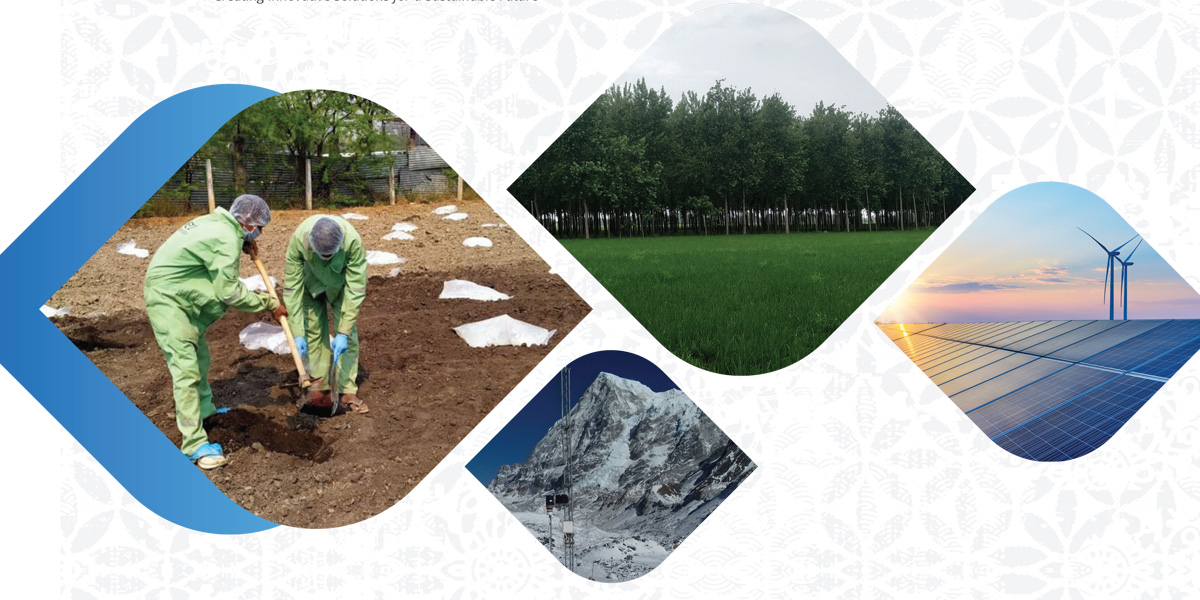
PUBLICATION
TERI’s Solutions for Sustainable Development
TERI’s Solutions for Sustainable Development is a compilation of 60 ‘knowledge products’ to instill the practice of sustainability for a wide range of stakeholders. These solutions are the tangible pathways for effective realization of sustainable development by the global community.
Read More
PRESS RELEASE
Hon’ble Vice President of India emphasizes urgent need for visionary leadership
World Sustainable Development Summit 2024: Global leaders unite to navigate polycrisis, emphasizing urgency for collective environmental action
Read More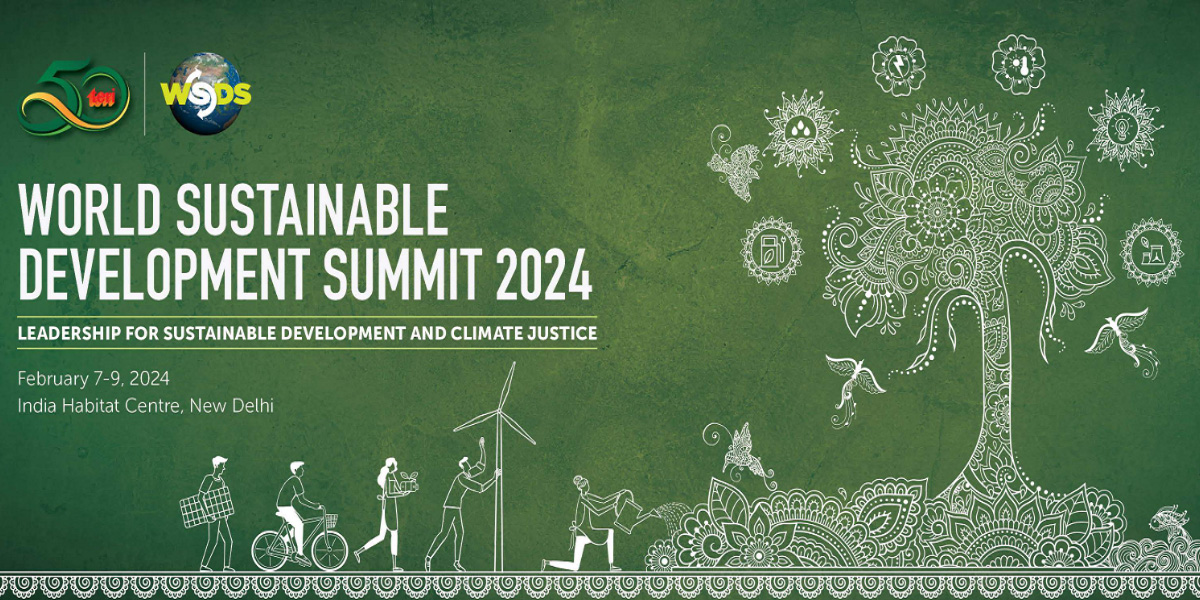
EVENT
World Sustainable Development Summit 2024
The 23rd edition of WSDS will focus on the umbrella theme of 'Leadership for Sustainable Development and Climate Justice'. The Summit deliberations will examine topics such as integrating sustainable development, nature-based solutions, adaptation and resilience, sustainable consumption and lifestyles, addressing the energy trilemma, and climate action.
Read More


In the Spotlight
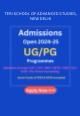
Applications Open Admission
TERI School of Advanced Studies
TERI School of Advanced Studies
New Delhi (Deemed to be University)
UG / PG courses

E-Learning Platform Education
We are here to impart relevant and renewed skills that will help unlock the true potential of professionals.
Highlights
-
Mar21
Water Sustainability Awards 2023-24
Venue : Jacaranda Hall, India Habitat Centre, Lodhi Road, New Delhi
-
Mar19
National Conference on Strengthening Actions Involving Communities for Cleaner Air and Better Future
Venue : S.S.Jain Subodh P.G.College, Jaipur
-
Mar08
-

TERI, Chambal Launch 'Uttam Pranaam' Bio Nano Phosphorus Fertiliser
23 April 2024 | Outlook Planet
-
A Plastic-Free Future – Is it a Dream or Reality?
22 April 2024 | My City Links
-
In car fuel economy, India might catch up with Europe
16 April 2024 | Mint


Key projects
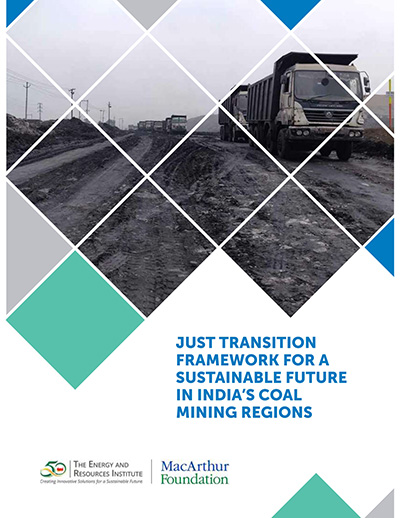
Grounded in theories of procedural, distributive, and restorative justice, the framework aims to facilitate a structured transformation to address concerns in regions affected by coal mine closures. It proposes a two-pronged approach involving institutional changes at various levels of governance and targeted interventions focusing on consensus-building, socio-economic transformation, and environmentally friendly development.
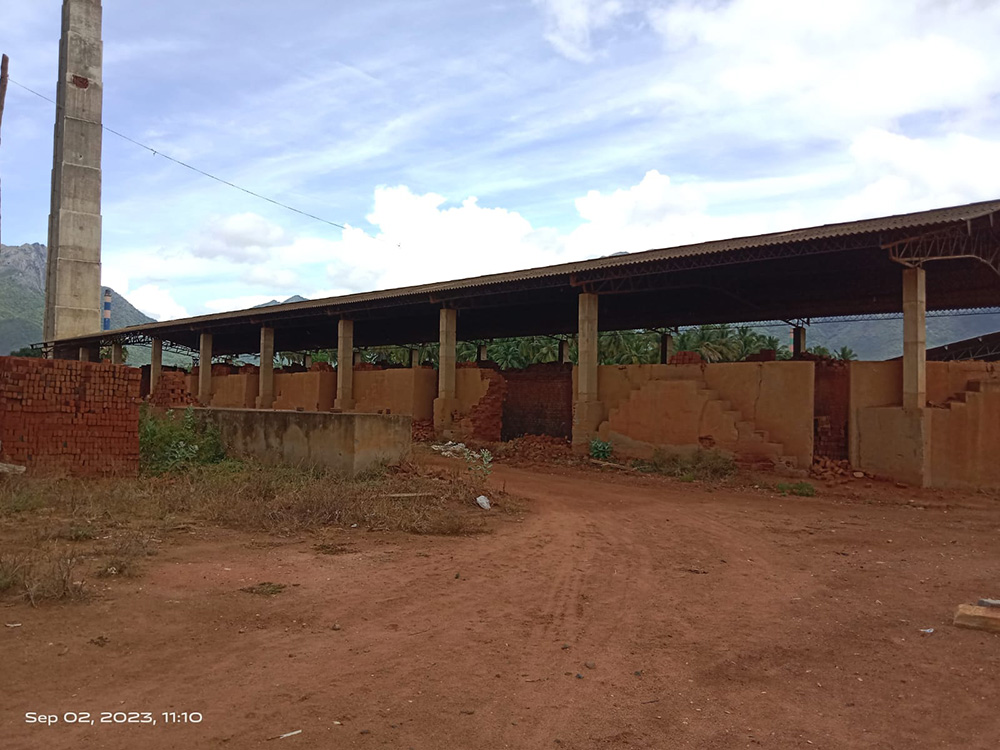
The Hon'ble High Court of Madras vide order dated 27.04.2023 in WP No. 34793 of 2022 has directed the following among other;
EXPLORE

Did You Know
According to the UN, every year, an estimated 11.2 billion tonnes of solid waste is collected worldwide, and decay of the organic proportion of solid waste is contributing about 5% of global greenhouse gas emissions.


Multimedia
Contact Us
Our Address
The Energy and Resources Institute (TERI)
Darbari Seth Block, Core 6C,
India Habitat Centre, Lodhi Road,
New Delhi - 110 003, India
Email Us
Call Us
(+91 11) 2468 2100
7110 2100